A Goodman 2 ton air handler is a popular choice because it pairs reliably with Goodman and other matched heat pumps or air conditioners, costs less than many premium brands, comes in multi-position cabinets that fit attics, closets and basements, and carries a solid limited warranty when registered. Whether it is the best choice for your home depends on correct sizing, a properly matched outdoor unit and a good installer, which matter more than the brand name.
This guide explains what an air handler does, how to tell whether 2 tons is the right size, what to look for in Goodman’s lineup, and how to buy and install one without costly mistakes.
What an air handler does
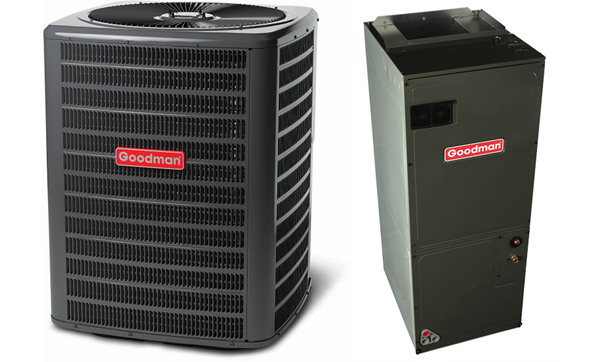
In a split HVAC system, the outdoor unit (a heat pump or air conditioner) and the indoor air handler work as a pair. The air handler is the indoor cabinet that contains:
- A blower that pulls air from the return ducts and pushes it through the supply ducts to each room.
- An evaporator coil where refrigerant absorbs heat from the air in cooling mode, or releases it in heat pump heating mode.
- A filter rack that catches dust and debris before it reaches the coil and blower.
- A metering device (usually a thermostatic expansion valve) that controls refrigerant flow into the coil.
- Space for an electric heat kit, which provides backup or emergency heat when a heat pump cannot keep up in very cold weather.
Homes with a gas furnace usually use the furnace’s blower plus a separate cased coil instead, so an air handler is most common with heat pumps, or with air conditioners in homes that use electric heat.
Is a 2 ton air handler the right size?
One ton of cooling equals 12,000 BTU per hour, so a 2 ton system provides about 24,000 BTU/h. A common rule of thumb puts one ton for every 400 to 600 square feet of well-insulated living space, which suggests a 2 ton system is typically suited to homes or zones of roughly 800 to 1,300 square feet. A 2,000 square foot house usually needs more, often in the 3 to 4 ton range, depending on climate and construction.
Rules of thumb are only a starting point. Insulation, window area and orientation, ceiling height, air leakage and your local climate all change the answer. A reputable contractor should perform a Manual J load calculation, the industry standard method, before recommending a size.
Why sizing matters so much
- Too large: the system short-cycles, turning on and off quickly. It wastes energy, wears components and leaves humidity high because it never runs long enough to dehumidify.
- Too small: it runs constantly on hot or cold days and may not reach the thermostat setting.
- Mismatched with the outdoor unit: efficiency and capacity ratings only apply to tested combinations, and a mismatch can void warranty coverage.
Why homeowners and contractors choose Goodman
Goodman is a Texas-based HVAC brand that has been part of Daikin since 2012. It is known mainly for value: equipment that is widely available, familiar to most installers and priced below many premium brands.
- Price: Goodman air handlers are usually among the more affordable options for a given capacity.
- Availability: distributors carry them widely, so replacement parts are generally easy to find.
- Multi-position cabinets: most models can be installed upflow, downflow or horizontally, which helps in attics, closets and crawlspaces.
- Warranty: Goodman has typically offered a 10-year limited parts warranty when the unit is registered on time, with some higher-end lines carrying additional coverage. Always confirm the terms for the specific model and keep your registration confirmation.
- Matched systems: Goodman publishes tested combinations with its heat pumps and air conditioners, making it easier to get the rated efficiency.
Features to compare in a 2 ton Goodman air handler
| Feature | Basic option | Upgraded option | Why it matters |
|---|---|---|---|
| Blower motor | Multi-speed (PSC or constant torque) | Variable-speed ECM | Variable speed is quieter, dehumidifies better and uses less electricity |
| Coil | Standard aluminum coil | Coil matched to a high-efficiency outdoor unit | Determines whether you achieve the system’s SEER2 rating |
| Refrigerant | Must match outdoor unit | Newer lower-GWP refrigerant models | Coils and valves are refrigerant specific |
| Heat kit | None or small kit | Sized to your climate (in kW) | Provides backup heat for heat pumps in cold weather |
| Cabinet | Multi-position | Multi-position with better insulation and sealing | Fewer air leaks and less condensation, especially in attics |
A note on refrigerants and efficiency rules
US efficiency standards moved to SEER2 ratings in 2023, and under federal rules the industry has been transitioning away from R-410A toward lower global warming potential refrigerants such as R-454B and R-32. If you are replacing only the indoor unit, it must be compatible with the refrigerant your outdoor unit uses. If you are replacing both, buying a matched pair on the newer refrigerant is usually the better long-term choice. Your contractor can confirm which models are current and compliant in your region.
Installation matters as much as the equipment
Even a well-sized, well-made air handler will underperform if it is installed poorly. A good installation includes:
- Duct inspection and sealing, since leaky or undersized ducts waste a large share of conditioned air.
- Correct refrigerant line sizing, brazing with nitrogen, pressure testing and a deep vacuum before charging.
- Setting blower airflow to match the system and checking static pressure.
- A properly sloped condensate drain, plus a secondary drain pan and float switch for attic installs.
- Permits and inspection where required, and warranty registration.
Installing an air handler involves high-voltage wiring and refrigerant, which in the US requires EPA Section 608 certification to handle. It is not a DIY job for most homeowners.
Signs your current air handler may need replacing
- Repeated refrigerant leaks in the indoor coil, which often means the coil is corroding.
- A blower motor that is failing, noisy or has been replaced more than once.
- Rust, water damage or mold inside the cabinet.
- Weak airflow or uneven temperatures that duct repairs have not fixed.
- You are replacing the outdoor unit and the old indoor unit uses an outdated refrigerant or does not match.
Buying tips
Prices vary with model, motor type, heat kit, region and installer, so compare at least two or three written quotes that list the exact model numbers of both indoor and outdoor units. Some homeowners buy equipment from HVAC suppliers such as Budget Air Supply and hire a local contractor to install it; if you do, confirm beforehand that the contractor will install customer-supplied equipment and how that affects labor warranties. Also ask about federal tax credits and utility rebates for qualifying high-efficiency heat pump systems, since eligibility rules change over time.
Maintenance for a longer life
- Check the filter monthly and replace it every one to three months, depending on the filter type, pets and dust.
- Keep the condensate drain clear; a clogged drain is one of the most common causes of water damage.
- Schedule a professional tune-up once a year, ideally before the cooling season, to clean the coil and check refrigerant and electrical components.
- Keep supply and return vents unblocked by furniture and rugs.
Regular upkeep also helps indoor air quality and energy bills; see our tips on enhancing home hygiene while saving energy. When something does fail, fast service limits the disruption, as we discuss in the impact of quick residential appliance repair on your daily routine. Planning a bigger upgrade? Our list of home improvement projects to do this spring is a good place to fit an HVAC replacement into the schedule before summer demand peaks.
Frequently asked questions
How many square feet does a 2 ton air handler cover?
As a rough guide, about 800 to 1,300 square feet, depending on climate, insulation and layout. A Manual J load calculation gives the accurate answer for your home.
Can I pair a Goodman air handler with a different brand of heat pump?
It may work physically if capacity and refrigerant match, but efficiency ratings apply only to tested combinations, and mismatches can affect warranty coverage. A matched system is the safer choice.
How long does a Goodman air handler last?
With good installation and regular maintenance, air handlers commonly last around 15 years or more, though coastal air, poor filtration and neglected drains can shorten that.
Do I need a heat kit in my air handler?
If you have a heat pump and your winters get cold, a heat kit provides backup and emergency heat. In mild climates a small kit or none may be enough. Your contractor can size it in kilowatts.
Is a variable-speed air handler worth the extra cost?
Often, yes, especially in humid climates. Variable-speed blowers run quieter, remove more moisture and use less electricity, though the upfront price is higher.