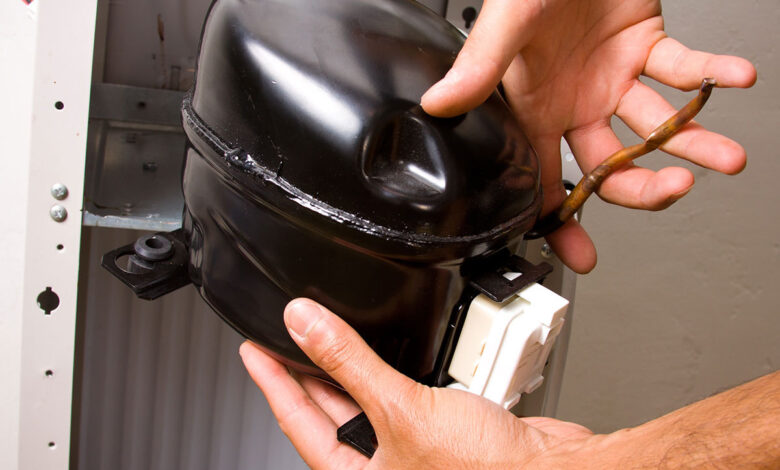
When a fridge, washer or stove stops working, the disruption shows up within hours: spoiled groceries, piles of laundry, takeout instead of home cooking and mornings that run late. Quick residential appliance repair limits that damage, and it often costs less than waiting, because small faults such as a leaking seal or a failing fan tend to cause bigger ones. This guide looks at how each appliance failure affects your routine, what to check yourself before calling anyone, how to decide between repair and replacement, and what to look for in a repair service.
How appliance breakdowns disrupt daily life
Most households build their day around a handful of machines without thinking about it. The impact of a breakdown depends on which one fails and how long you go without it.
| Appliance | Effect on your routine | How urgent |
|---|---|---|
| Refrigerator or freezer | Food safety risk, wasted groceries, disrupted meal planning | Very high: act the same day |
| Washing machine | Laundry backlog, trips to a laundromat, possible leaks | High if leaking, otherwise within days |
| Dryer | Wet laundry hanging around, musty smells | Medium; high if it smells of burning |
| Oven or cooktop | No home cooking, more spending on takeout | Medium to high; urgent if you smell gas |
| Dishwasher | More time hand washing, possible water damage under cabinets | Medium; high if leaking |
| Water heater | No hot showers or hot water for cleaning | High |
| Air conditioner | Poor sleep and discomfort in hot weather | High in heat waves, especially for vulnerable people |
There is also a hidden cost in time. A broken washer can easily eat several hours a week in laundromat trips, and a failed dishwasher adds daily chores that push other tasks aside.
Why fast repair usually saves money
- Small faults spread. A worn door gasket on a fridge makes the compressor run longer, which can shorten its life. A slow washer leak can rot a subfloor.
- Losses add up. A full fridge and freezer can hold a significant amount of food, all of which may need to be thrown out if it stays warm too long.
- Energy waste. Appliances with failing parts often draw more power while doing less work.
- Warranty timing. Reporting a fault promptly helps if the appliance is still under manufacturer or extended warranty.
Common appliance problems and likely causes
Refrigerators
Not cooling enough, frost buildup, water pooling inside or loud clicking and humming. Typical causes include dirty condenser coils, a failed evaporator or condenser fan, a clogged defrost drain, a faulty thermostat or control board, or a worn door seal.
Washing machines
Not draining, not spinning, leaking or banging. Often it is a blocked drain pump filter, a worn door seal, a faulty lid switch or door lock, an unbalanced load or worn drum bearings.
Dryers
Taking too long or not heating. Clogged vents are a frequent cause and also a fire risk. Other culprits include a failed heating element, thermal fuse or igniter on gas models.
Dishwashers
Dirty dishes, standing water or leaks. Check for a clogged filter, blocked spray arms, a kinked drain hose or a damaged door gasket. A slow kitchen drain can also back up into the dishwasher; our guide on how to maintain a smooth kitchen drain all year long helps prevent that.
Ovens, cooktops and microwaves
Uneven heating, burners that will not light or controls that do not respond. Causes include failed bake or broil elements, weak igniters, faulty temperature sensors or, in microwaves, door switches and magnetrons. Microwaves contain high-voltage components that can hold a charge even when unplugged, so internal repairs are a job for a technician.
Quick checks before you call a technician
A few minutes of basic checks can solve simple problems or at least help you describe the fault clearly, which speeds up the repair visit.
- Confirm the appliance has power: check the plug, the outlet and the circuit breaker.
- Check settings, child locks and delay-start modes, which are easy to trigger by accident.
- Clean filters: the dishwasher filter, washer pump filter and dryer lint screen.
- Make sure water supply valves are open and hoses are not kinked.
- Note any error codes and look them up in the manual or on the manufacturer’s website.
- Write down the model and serial number, usually on a sticker inside the door or on the back.
Stop and call a professional if you smell gas or burning, see sparks, find water near electrical parts, or the fault involves sealed refrigerant systems or internal wiring. Leave the house and call your gas utility if you suspect a gas leak.
How to keep your routine going while you wait
- Fridge out: keep doors closed, move essentials to a cooler with ice, and discard perishable food that has been above safe temperatures for too long.
- Washer out: wash small essentials by hand, or batch laundry into one laundromat trip.
- Oven out: plan meals around a microwave, slow cooker, air fryer or grill for a few days.
- Water heater out: heat water on the stove for washing up, and check whether a tripped breaker or pilot light is the issue before assuming the worst.
Repair or replace?
A common rule of thumb: if the appliance is well into its expected lifespan and the repair would cost around half the price of a comparable new model or more, replacement is often the better value. Repair usually makes sense when the unit is relatively new, the fault is a single part, or the appliance is a higher-end model worth maintaining. Also weigh energy efficiency, since a much older refrigerator or water heater may cost noticeably more to run than a current model. If you are considering an upgrade, our article on why so many people choose hot water installation covers water heater options, and our guide to essential appliances for a cozy and functional home helps prioritize purchases.
Choosing a residential appliance repair service
Speed matters, but so does getting the fix right the first time. When comparing providers of residential appliances repair, ask:
- Do you service my brand and model? Some technicians specialize in certain brands or appliance types.
- How soon can you come? Same-day or next-day availability matters most for refrigerators and water heaters.
- What is the call-out or diagnostic fee, and is it credited toward the repair?
- Do you carry common parts on the van, or will a second visit be needed?
- What warranty do you give on parts and labor?
- Are technicians trained, insured and, where required, licensed for gas or electrical work?
Costs vary with the appliance, the part and your area. Most services charge a diagnostic or call-out fee first, and the repair itself can range from a modest amount for a simple part such as a switch, belt or gasket to a much larger bill for a compressor, control board or motor. Emergency, evening and weekend visits often cost more. If a quote seems high, ask the technician to break it down into parts and labor, and compare it with the price of a replacement before you agree. A reputable technician will tell you honestly when a repair is not worth it.
Read recent reviews for comments on punctuality and whether the repair held up, and get the quote in writing before work starts.
Maintenance habits that prevent breakdowns
- Vacuum refrigerator condenser coils once or twice a year and check door seals with the paper test: a sheet of paper closed in the door should resist being pulled out.
- Clean the dryer lint screen every load and the vent duct at least yearly.
- Clean dishwasher and washer filters monthly and run a cleaning cycle.
- Do not overload washers or dryers; it strains motors, belts and bearings.
- Flush the water heater tank periodically, following the manufacturer’s instructions.
For more home maintenance guides, visit our Home Improvement category.
Frequently asked questions
How long does food last if the fridge stops working?
Food safety guidance generally says a closed refrigerator keeps food safe for about four hours, and a full closed freezer for around 48 hours. Keep the doors shut and use a thermometer to check.
Is it worth repairing an old washing machine?
It depends on age and cost. If the machine is near the end of its typical life and the repair is around half the price of a new one or more, replacement is often better value.
Can I repair appliances myself?
Simple jobs such as cleaning filters or replacing a door gasket are often manageable. Anything involving gas, refrigerant, high voltage or internal wiring should be left to a qualified technician.
What information should I give the repair technician?
Share the brand, model and serial number, any error codes, when the problem started and what you have already checked. This helps them bring the right parts.
How can I make my appliances last longer?
Clean filters and coils regularly, avoid overloading, keep vents clear and fix small faults early before they strain other parts.


