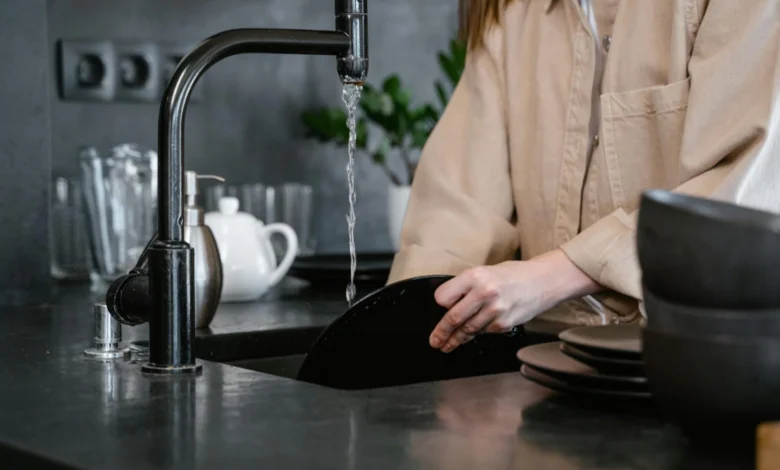
To keep a kitchen drain running smoothly all year, keep grease, oil and starchy food scraps out of the sink, use a strainer, flush the line with hot water and dish soap once a week, and deal with slow drainage as soon as you notice it. Those four habits prevent most kitchen clogs, and a short seasonal routine covers the rest.
Below you will find what actually causes kitchen drain blockages, a weekly and monthly maintenance plan, safe DIY fixes for early slowdowns, and clear signs that it is time to call a plumber.
What causes most kitchen drain clogs
Kitchen drains clog differently from bathroom drains. Hair is rarely the issue. Instead, the usual culprits are:
- Fats, oils and grease (FOG). Warm grease looks harmless as a liquid but cools and sticks to the inside of pipes, trapping food particles and building up layer by layer.
- Starchy and expanding foods. Rice, pasta, bread and potato peels absorb water and swell, forming a paste.
- Coffee grounds and eggshells. They do not dissolve and settle into grit that combines with grease.
- Fibrous scraps. Celery, onion skins, corn husks and artichoke leaves can wrap around disposal blades and catch in the trap.
- Soap scum and minerals. In hard water areas, residue from soap and minerals narrows pipes over time.
- Aging or poorly sloped pipes. Older galvanized or cast iron lines roughen inside, and drain lines without enough slope let debris settle.
Local conditions matter too. Plumbers who answer Kitchen drain clog Houston service calls regularly see the same combination of heavy home cooking and aging pipes, and that pattern shows up in any city where grease habits and older plumbing meet.
Daily habits that prevent clogs
Never pour grease down the sink
Let cooking grease cool, pour it into an old jar or can, and put it in the trash once it solidifies. Wipe greasy pans with a paper towel before washing. Many cities also run cooking oil recycling drop-offs, especially around the holidays.
Scrape plates into the trash or compost
A garbage disposal is not a trash can. Scrape plates first and send only small, soft scraps through the disposal. Always run cold water while it operates and for several seconds afterward so the ground waste travels down the line.
Use a sink strainer
A mesh basket strainer costs only a few dollars and catches rice, peels and other debris before it enters the pipe. Empty it into the trash after each use.
A year-round maintenance schedule
| How often | Task | Why it helps |
|---|---|---|
| After each use | Empty the strainer; run water briefly after using the disposal | Stops debris from settling |
| Weekly | Flush with very hot tap water and a squirt of dish soap | Helps move light grease film along |
| Monthly | Clean the disposal with ice and a little salt, then rinse; clean the stopper | Removes buildup and odors |
| Every few months | Check under the sink for drips, damp cabinet floors and loose slip nuts | Catches leaks early |
| Seasonally | Remove and clean the P-trap if drainage is slowing | Clears the most common clog point |
| After big cooking events | Extra hot water and soap flush; dispose of grease properly | Holiday meals add a lot of grease |
To help break down light oily residue, some homeowners pour a mix of hot water and mild dish soap down the drain as part of their weekly routine. Hot tap water is usually enough; avoid pouring large amounts of boiling water into sinks with PVC drain lines, since very high heat can soften joints over time, and never pour boiling water into a porcelain sink that has a clog sitting in it.
Safe fixes for a slow kitchen drain
If water starts draining slowly, act before it becomes a full blockage. Try these in order:
- Check the disposal. If it hums but does not spin, turn off the power, then use the hex key socket on the bottom of the unit to free it and press the reset button.
- Plunge. Use a flat cup plunger. For a double sink, seal the other drain with a wet cloth or stopper. If you have a dishwasher, clamp its drain hose or hold the other side firmly.
- Try baking soda and vinegar. Pour about half a cup of baking soda, then a cup of vinegar, wait 15 to 30 minutes, and flush with hot water. It is mild and works best on light buildup.
- Clean the P-trap. Put a bucket underneath, loosen the slip nuts by hand, remove the curved trap, clean it out, and reassemble.
- Use a small drain snake. A hand auger of around 15 to 25 feet can reach clogs beyond the trap in the branch line.
- Consider an enzyme cleaner. Enzyme or bacteria-based products work slowly on organic buildup and are gentler than caustic chemicals.
For more step-by-step ideas that apply to sinks throughout the house, see our guide to quick fixes for sluggish drains.
Why to skip harsh chemical drain cleaners
Caustic and acid-based drain openers can burn skin and eyes, give off fumes, and damage older pipes, disposals and septic systems. If they do not clear the clog, you are left with a sink full of hazardous liquid that a plumber must work around. Never mix different drain products, and never plunge after using one.
Early warning signs to watch for
- Water that pools in the sink and takes more than a few seconds to drain.
- Gurgling sounds from the drain or dishwasher.
- Sour or sewer-like smells that return after cleaning.
- Water backing up into one side of a double sink when the dishwasher drains.
- Water stains, swelling or mold in the cabinet under the sink.
When to call a plumber
Call a professional if the clog returns within weeks, if more than one fixture is slow at once (a sign of a main line problem), if water backs up into other drains, or if you notice leaks inside walls or cabinets. A plumber can use a motorized auger, camera inspection or hydro jetting to clear heavy grease buildup and find damaged pipe.
Costs vary by region and job. As a rough guide, a straightforward kitchen clog is often a modest service call, while camera inspections, hydro jetting or after-hours visits cost more. Ask for a quote before work starts. Our article on how a plumber helps with household plumbing problems explains what to expect from a visit. If a backup has already soaked cabinets or flooring, move quickly; our piece on acting fast with professional water mitigation explains why delays make damage worse.
Seasonal tips
- Winter: Holiday cooking means more grease. In cold climates, keep cabinet doors open on very cold nights if the sink is on an exterior wall.
- Spring: Do a deep clean of the trap and disposal, and check under-sink connections.
- Summer: Fruit peels, corn husks and grilling grease spike; compost or trash them instead.
- Fall: Before the holidays, consider a professional cleaning if drains have been slow during the year.
Frequently asked questions
How often should I clean my kitchen drain?
A weekly hot water and dish soap flush, a monthly disposal clean and a trap check every few months keep most kitchen drains clear.
Is it safe to pour boiling water down the drain?
Hot tap water is safer. Repeated boiling water can soften PVC joints, and it can crack porcelain if the sink is full of standing water.
Do baking soda and vinegar really unclog drains?
They can help with light buildup and odors, but they will not clear a solid grease clog. Use a plunger, trap cleaning or a snake for tougher blockages.
Can coffee grounds go down the garbage disposal?
It is best not to. Grounds do not dissolve and tend to collect in pipes with grease. Put them in the trash or compost.
Why does my kitchen sink smell even when it drains?
Food residue in the disposal, a dirty stopper or buildup in the trap is usually to blame. Clean all three. If a sewer smell persists, have a plumber check the vent and trap.


