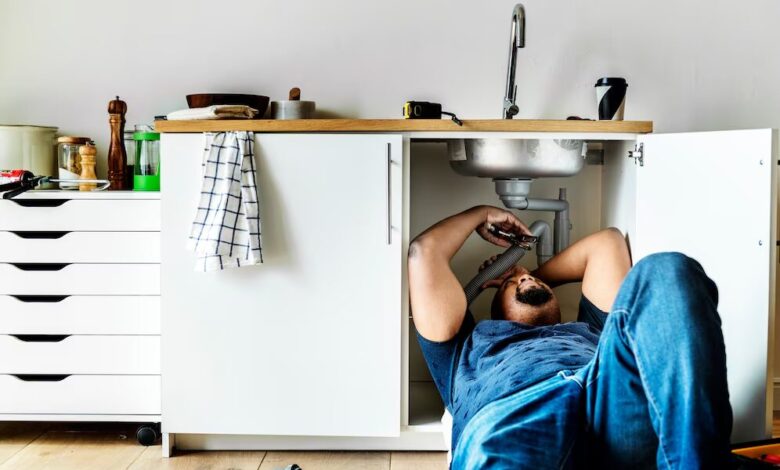
A plumber helps with plumbing problems in your home by finding the real cause of a leak, clog, or pressure issue, fixing it safely and to code, and spotting weak points before they turn into water damage. Some small jobs are fine to handle yourself, but anything involving hidden leaks, gas lines, sewer backups, or water heaters is usually worth a licensed pro.
Below is what plumbers actually do, which problems need one fast, what to expect on cost, and how to choose a good one.
What a Plumber Actually Does
Your home has three connected plumbing systems: the supply side that brings pressurized fresh water in, the drain-waste-vent (DWV) system that carries used water and waste out, and the fixtures and appliances in between (sinks, toilets, tubs, water heaters, dishwashers, washing machines). A licensed plumber is trained to work on all three and to understand how a change in one affects the others.
In practice, a plumber’s work falls into a few categories:
- Diagnosis: tracing leaks, slow drains, odd noises, low pressure, or high water bills back to a cause.
- Repairs: fixing or replacing leaking pipes, valves, fittings, toilets, and faucets.
- Drain and sewer service: clearing clogs, camera inspections, and repairing damaged sewer lines.
- Water heating: repairing, flushing, or replacing tank and tankless water heaters.
- Installation and upgrades: new fixtures, remodels, repiping older homes, pressure regulators, and water treatment.
- Code and safety: permits, backflow prevention, proper venting, and, where licensed for it, gas line work.
Common Plumbing Problems and How a Pro Fixes Them
Leaks You Can See, and the Ones You Cannot
A dripping faucet is annoying; a slow leak behind a wall is expensive. Hidden leaks can rot subfloors and framing and feed mold long before a stain appears. Plumbers use moisture meters, thermal cameras, acoustic listening devices, and pressure tests to find them without tearing out more drywall than necessary.
You can do a quick check yourself: turn off every faucet and water-using appliance, note your water meter reading, and look again after an hour or two. If the number moved, water is going somewhere. If a leak has already soaked flooring or drywall, speed matters, which is why our guide to acting fast with professional water mitigation is worth reading alongside a plumbing repair.
Clogged Drains and Sewer Backups
Hair, soap scum, grease, food scraps, and “flushable” wipes are the usual suspects. A plunger or a hand snake often handles a single slow sink. A plumber goes further with motorized augers, hydro-jetting (high-pressure water that scours the inside of the pipe), and sewer cameras that show whether the real problem is tree roots, a sagging line, or a collapsed pipe.
If several fixtures drain slowly at once, or water comes up in a tub when you flush a toilet, the blockage is probably in the main line, and that is a job for a pro. For everyday prevention, see our tips on keeping a kitchen drain clear all year.
Water Heater Trouble
No hot water, rusty water, popping noises, or water pooling around the base are all warning signs. A plumber can test the thermostat and elements or burner, replace an anode rod, check the temperature and pressure relief valve, and flush sediment. Traditional tank heaters often last around 8 to 12 years, and a tank that is leaking from the body usually needs replacing rather than repair. If you are weighing an upgrade, our article on hot water installation covers the main options.
Low or High Water Pressure
Low pressure in one fixture is often a clogged aerator or showerhead. Low pressure throughout the house can point to a failing pressure regulator, a partly closed valve, corroded galvanized pipes, or a leak. High pressure is a problem too: many plumbing codes limit household pressure to about 80 psi, and anything above that strains pipes, valves, and appliances. A plumber can test pressure with a gauge and install or adjust a pressure-reducing valve.
Running Toilets and Dripping Fixtures
A toilet that runs constantly can waste a surprising amount of water. Worn flappers and fill valves are cheap parts, and many homeowners replace them. A plumber is useful when the problem keeps coming back, the toilet rocks or leaks at the base (a sign of a failed wax ring or damaged flange), or the shutoff valve itself will not close.
DIY or Call a Plumber?
| Situation | Reasonable DIY | Call a plumber |
|---|---|---|
| Single slow sink or tub | Plunger, hand snake, cleaning the trap | Keeps coming back or several drains are slow |
| Running toilet | Replace flapper or fill valve | Leaks at the base, cracked tank, bad shutoff |
| Dripping faucet | Replace cartridge or washer if you are comfortable | Corroded valves, hard-to-reach supply lines |
| Water heater | Check the pilot or breaker, test the relief valve | Leaks, gas smell, no hot water after basic checks |
| Pipes and sewer | None beyond shutting off water | Burst pipe, sewage backup, hidden leak, repiping |
As a rule, any job involving gas, sewage, opening walls, or soldering supply lines is best left to a licensed professional. Mistakes there are costly and can be dangerous.
Signs You Need a Plumber Right Away
- Water spraying or pooling from a burst pipe (shut off the main valve first).
- Sewage coming up through floor drains, tubs, or toilets.
- A smell of gas near a water heater or appliance: leave the house and call your gas utility or 911 from outside.
- A water heater leaking from the tank or its relief valve discharging repeatedly.
- No water at all in the house, when the utility has no outage.
- Water stains spreading on ceilings or walls.
Knowing where your main shutoff valve is, and making sure it turns, is one of the most useful things you can do before an emergency. It is usually near where the water line enters the house, in a basement, crawl space, garage, or utility closet, or in a box near the street.
What Plumbing Work Typically Costs
Prices vary a lot by region, time of day, and the complexity of the job, so treat these as rough ideas rather than quotes. Many companies charge a service call or trip fee to come out and diagnose, and some credit it toward the repair. Hourly labor rates commonly land somewhere in the range of about $75 to $200, with higher rates for nights, weekends, and emergencies. Simple repairs like replacing a faucet cartridge are usually on the low end, while main sewer line work, repiping, or water heater replacement can run into the thousands. Always ask for a written estimate that separates parts and labor before work begins.
How to Choose a Good Plumber
Look for a local plumbing company or independent plumber that ticks these boxes:
- Licensed and insured: most states license plumbers. Check your state’s licensing board and ask for proof of liability insurance.
- Clear pricing: flat-rate or itemized estimates in writing, with the service fee explained up front.
- Warranty: ask how long workmanship and parts are guaranteed.
- Reviews and references: read recent reviews and pay attention to how the company responds to complaints.
- Permits: for water heater replacements, repiping, and remodels, a reputable plumber pulls permits where required.
- Availability: for emergencies, find out in advance who offers 24/7 service in your area.
Preventive Maintenance That Saves Money
- Flush your tank water heater about once a year to reduce sediment, especially if you have hard water.
- Use drain screens and keep grease, coffee grounds, and wipes out of drains and toilets.
- Insulate exposed pipes in unheated spaces before winter, and disconnect garden hoses.
- Check under sinks and behind toilets every few months for drips or dampness.
- Consider having an older home’s plumbing inspected, especially if it still has galvanized steel or other outdated pipe.
- Label the shutoff valves for each fixture and the main shutoff, and show everyone in the household where they are. In an emergency, the minutes spent hunting for a valve are the minutes when water is doing the most damage. A small tag on each valve costs almost nothing and pays for itself the first time a pipe bursts.
The Bottom Line
A good plumber does more than fix the symptom in front of them: they find the cause, fix it to code, and flag the weak points that would have become the next emergency. Learn where your shutoff valve is, keep the DIY list short, and call a licensed pro for anything involving gas, sewage, hidden leaks, or water heaters — the call is almost always cheaper than the damage.
Frequently Asked Questions (FAQs)
What does a plumber do in a home?
A plumber diagnoses and repairs leaks, clogs, and pressure problems, services and replaces water heaters, installs fixtures, clears sewer lines, and makes sure work meets local plumbing codes.
When should I call a plumber instead of fixing it myself?
Call a plumber for burst pipes, sewage backups, hidden leaks, gas smells, water heater leaks, repeated clogs, or any job that involves opening walls or working on gas or sewer lines.
How much does it cost to have a plumber come out?
Many plumbers charge a service call fee plus labor, and rates vary widely by region and timing. Hourly labor often falls around $75 to $200, with higher rates for emergencies. Ask for a written estimate first.
How can I tell if I have a hidden water leak?
Turn off all water use, note your water meter reading, and check it again after an hour or two. If it has changed, you likely have a leak and should have a plumber trace it.
How often should plumbing be inspected?
A general check every year or two is sensible, plus an annual water heater flush. Older homes, homes with past leaks, and houses you are buying benefit from a professional inspection.


