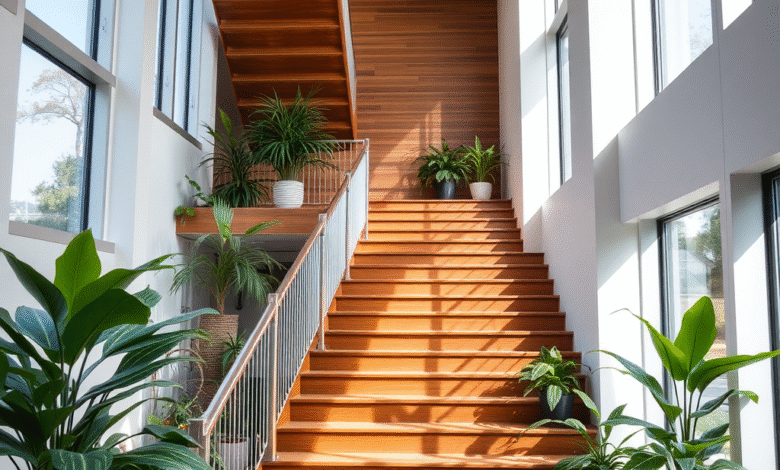
A flight of stairs is a fundamental architectural element found in buildings, homes, and public spaces worldwide. Whether climbing from one floor to the next or accessing a basement or attic, the flight of stairs plays a critical role in how we navigate vertical spaces safely and efficiently. In this article, we will explore what defines a flight of stairs, its different types, design considerations, and the benefits it offers beyond simple utility.
What Is a Flight of Stairs?
A flight of stairs refers to a continuous series of steps or stairs without any landings or interruptions that connects two different levels. Typically, when you ascend or descend a staircase between floors, you are traveling via one or more flights of stairs. Multiple flights may be connected by landings or platforms, often seen in multi-storey buildings, to allow users a brief rest between sections or to change direction.
In architectural terms, a flight usually consists of a set of risers and treads that allow a smooth transition between elevation changes. The exact number of steps in one flight depends on the floor-to-floor height, building codes, and design preferences.
Types of Flights of Stairs
Flights of stairs come in various styles and configurations, each suited to different architectural needs and aesthetic preferences. Here are some common types:
- Straight Flight: The simplest and most common type, consisting of a single straight run of steps with no turns or curves.
- L-Shaped Flight: Featuring a 90-degree turn through a landing, this flight changes direction and is often used to fit stairs into limited spaces.
- U-Shaped Flight: Consists of two parallel flights connected by a landing, forming a 180-degree turn which is space-efficient and common in apartment buildings.
- Spiral or Circular Flight: Characterized by steps wrapping around a central pole, spiral flights save space and add a decorative element, often used in smaller or visually distinct areas.
- Curved or Helical Flight: These stairs curve elegantly without a central pole, giving a grand architectural statement often seen in upscale homes or public halls.
Design Considerations for a Flight of Stairs
Designing a flight of stairs involves a balance between functionality, safety, and aesthetics. Architects and builders consider several factors to ensure stairs are comfortable and secure for users.
1. Dimensions and Sizing
The tread depth (the horizontal part you step on) and riser height (the vertical part between two treads) must comply with building codes to maintain safety and comfort. Standard riser heights typically range between 7 to 8 inches, while treads are generally around 10 to 11 inches deep. Proper proportions reduce the risk of trips or falls.
2. Building Codes and Safety
National and local building regulations dictate minimum requirements for stair flights including width, handrail height, lighting, and headroom clearance. Proper handrails are crucial for stability, especially for children, elderly, or those with mobility issues.
3. Material Selection
The materials chosen for a flight of stairs affect durability, appearance, and maintenance. Common materials include wood, concrete, steel, glass, and stone. In outdoor flights, weather-resistant materials are favored to withstand elements.
4. Lighting and Visibility
Good lighting enhances safety and highlights the design. Well-lit stairs prevent missteps, while integrated LED strips or step lights add modern aesthetics and functional visibility during nighttime use.
Benefits of Using a Flight of Stairs
Beyond just moving people between floors, a flight of stairs offers several benefits, both practical and health-related.
1. Physical Health Benefits
Using stairs regularly is a simple way to promote cardiovascular health and build muscle strength. Climbing a flight of stairs increases heart rate, burns calories, and improves endurance, making it a convenient fitness opportunity integrated into everyday routines.
2. Space Efficiency
A well-designed flight of stairs can maximize usable floor space in buildings by connecting multiple levels vertically without requiring long ramps or elevators, particularly where space is limited.
3. Architectural Appeal
A flight of stairs can act as a focal point within a building’s design. Architectural flourishes such as decorative railings, unique materials, or creative shapes can transform a basic flight into an eye-catching feature that enhances the overall interior or exterior look.
4. Emergency Use
In emergencies, such as a fire or power outage, flights of stairs serve as vital evacuation routes when elevators cannot be used. Ensuring these stair flights are safe and accessible is crucial for occupant safety.
Maintaining and Inspecting Your Flight of Stairs
Regular maintenance helps prolong the life and safety of any flight of stairs. Here are a few tips:
- Check Handrails: Ensure handrails are firmly attached and free from damage.
- Inspect Steps: Look for loose, cracked, or uneven treads that could cause trips.
- Clean Frequently: Keep stairs free from debris, spills, or any slippery substances.
- Lighting Maintenance: Replace burnt-out bulbs or malfunctioning step lights promptly.
- Structural Inspection: For older buildings, assess the stairs’ structure for signs of wear, rot, or corrosion, and repair as necessary.
Conclusion
The flight of stairs is an essential and versatile component of building design that impacts safety, functionality, and aesthetics. Whether it is a simple straight run or a sweeping curved staircase, understanding the principles behind flights of stairs helps ensure they serve their purpose effectively and attractively. Regular care and adherence to safety standards make climbing a flight of stairs a safe, healthy, and enjoyable experience for everyone. There is more on this in The Environmentalist Handbook.
Whether designing a new home, remodeling an old staircase, or simply appreciating an elegant flight of stairs in a public building, knowing more about this integral architectural feature enriches your awareness of the spaces we move through every day.
Apart from that if you want to know about “How To Maintain” then please visit our “Home Improvement” Category.
For more information about other fundamental architectural elements, check out Are Potatoes Healthy the Nutritional Value of Potatoes.
For those interested in exploring more about fundamental architectural elements, you might also find Longines mens watches interesting as well.
For more insights on other fundamental architectural elements, check out our article on Solutions to Reduce Your Business Energy Bill.
For more insights on other fundamental architectural elements, check out Top Benefits of Digital Marketing in 2023.
For more on architectural elements and design considerations, check out Understanding the Flight of Stairs: Design, Functionality, and Benefits.
For more on other fundamental architectural elements found in buildings and public spaces, check out How to Design the Ultimate Hangout Space for Your Teen.


