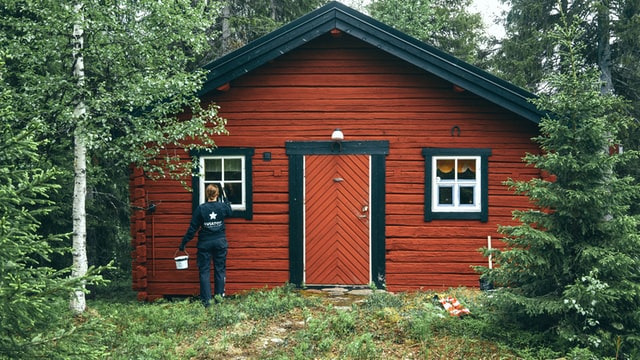
The best home improvement projects to do this spring are the ones that repair winter damage and get your home ready for heavy rain and summer use: fresh paint, working gutters, tight windows, a safe deck or porch, clean outdoor furniture and grill, a fire pit and a sharper front entry. Spring’s mild temperatures and low humidity make paint, stain and sealant cure properly, and contractors are usually easier to book before the summer rush. Below are seven projects, with what each involves, rough cost ranges and when to call a pro.
Start with a spring walk-around
Before you pick projects, spend 30 minutes walking the outside of your house with a notepad and your phone camera. Winter freeze and thaw cycles, ice dams and wind tend to leave the same kinds of damage every year, and a quick inspection helps you put money where it matters most. Look for:
- Peeling or blistering paint, especially on south-facing walls and window trim
- Gutters that sag, pull away from the fascia or drip at the seams
- Fogged double-pane glass, cracked caulk and gaps around window frames
- Soft, split or loose deck boards, wobbly railings and popped nails
- Low spots near the foundation where water pools after rain
Safety and water problems come first. Cosmetic upgrades can wait a few weeks; a gutter dumping water against your foundation cannot.
1. Give worn areas a fresh coat of paint
Paint is the fastest way to make a home look cared for. Outside, focus on the spots that take the most abuse: front door, window trim, porch ceilings, railings and the lower courses of siding that get splashed by rain. Most exterior latex paints want air and surface temperatures above roughly 50°F and no rain for a day or so, which makes mid to late spring close to ideal in much of the country. Check the label, since some newer formulas allow lower temperatures.
Preparation decides how long the job lasts. Wash surfaces, let them dry fully, scrape loose paint, sand glossy edges, fill cracks and prime bare wood. Skipping prep is the main reason exterior paint fails in two years instead of lasting seven to ten. If your house was built before 1978, test for lead paint before sanding or scraping and follow EPA lead-safe practices, or hire a certified contractor.
For masonry, consider limewash instead of standard paint. A slaked-lime product such as Romabio’s gives you lime washed brick with a soft, chalky, slightly weathered finish that lets the brick breathe. It can be brushed on and partly washed off while wet for a more distressed look, and it works on a fireplace surround or accent wall indoors as well as on exterior walls. Limewash only bonds well to porous, unpainted masonry, so test a small area first. If you are painting a manufactured home, our guide to the best mobile home exterior paint colors covers color choices that hold up in sun and rain.
2. Repair or replace your gutters
Gutters are dull until they fail, and then they become expensive. Water that overflows or leaks at the corners can rot fascia boards, stain siding, erode landscaping and soak the soil next to your foundation, which is a common cause of damp basements and cracked slabs.
What to do this spring
- Clear leaves, shingle grit and nests from gutters and downspouts, then flush them with a hose to spot leaks.
- Reseal leaking seams with gutter sealant and replace missing or bent hangers so the run slopes gently toward the downspout.
- Add downspout extensions or splash blocks so water lands at least 4 to 6 feet from the foundation.
- Replace sections that are rusted through, cracked or pulled loose along long stretches.
Aluminum seamless gutters are the most common replacement choice because they are light, rust resistant and have fewer joints to leak. Vinyl is cheaper and easy for DIY on a single-story home, but it can become brittle in very cold or very hot climates. Steel and copper cost more and suit specific situations, such as heavy snow loads or historic homes. For the related roofline work, see our article on eavestrough repair. Anything above a single story is safer left to a crew with proper ladders and fall protection.
3. Replace or refresh your windows
Windows commonly last around 15 to 30 years depending on material and climate. Signs that yours are near the end include fog or moisture between panes (a failed seal), sashes that stick or will not stay open, visible rot in wood frames and drafts you can feel on a windy day.
Not every drafty window needs replacing. Fresh exterior caulk, new weatherstripping and replacement sash cords or balances can restore a lot of performance for a small cost. When you do replace, ENERGY STAR certified windows rated for your climate zone reduce heat gain in summer and heat loss in winter, and replacement windows installed in the existing frame usually cost less than full-frame installs. Inside, good coverings help too; our guide to modern window treatments for insulation and comfort explains which styles block the most heat.
4. Upgrade your backyard deck or front porch
Your deck takes the full force of snow, rain and UV, so inspect it before the first cookout. Push a screwdriver into boards, joists and posts near the ground; if it sinks in easily, the wood is rotting. Check that the ledger board (where the deck attaches to the house) is bolted and flashed, and that railings do not move when you lean on them. Structural problems with the ledger, posts or stairs should go to a licensed contractor, since deck collapses usually start there.
For wood decks in good shape, the spring routine is simple: sweep, clean with a deck cleaner or oxygen bleach solution, let it dry for a couple of days, then apply a penetrating stain or sealer. A quick test is to sprinkle water on the boards; if it soaks in instead of beading, it is time to reseal. If you are rebuilding, composite decking costs more up front but skips yearly staining. A screened porch is a bigger project, often needing a permit, but it adds usable space and keeps mosquitoes out on summer evenings.
5. Clean your lawn furniture and grill
This is the easiest project on the list and the one you will enjoy most. Tackle it on a warm, dry weekend:
- Plastic and resin furniture: scrub with warm water, dish soap and a soft brush. A little baking soda helps with stains.
- Metal furniture: wash, sand any rust spots and touch them up with rust-inhibiting spray paint.
- Wood furniture: clean gently, let dry and apply teak oil or an outdoor sealer.
- Cushions: check the care tag, spot clean mildew and dry them fully in the sun before storing.
For a gas grill, check the hoses for cracks and do a soapy-water leak test on the connections before lighting it (bubbles mean a leak). Burn off old residue, scrub the grates, and clear the burner ports and grease tray, which is a common source of flare-ups. Charcoal grills need ash removed, since ash holds moisture and speeds up rust.
6. Build a fire pit
A simple ring fire pit is a realistic weekend DIY project for most homeowners. Before you dig, check your city or county rules and any HOA covenants; many areas set minimum distances from structures and property lines (often 10 to 25 feet) and some ban wood burning on certain days. Choose a level spot away from overhanging branches, fences and the house.
A basic build goes like this: mark a circle, remove the sod and dig down several inches, add a compacted gravel base, then stack retaining wall blocks in two or three staggered courses. Use a steel fire ring insert, because ordinary concrete blocks can crack or even spall when heated directly. Gas fire pits cost more and usually require a licensed installer, but they produce less smoke and turn on with a switch.
7. Update your address display or mailbox
Small entry details shape a first impression. Large, high-contrast house numbers that are visible from the street at night help guests, delivery drivers and emergency responders find you. Many local fire codes set a minimum height for address numbers, so check before you buy tiny decorative ones. A new or repainted mailbox, a matching porch light and a pot or two of seasonal flowers finish the look for a modest cost. If you replace a curbside mailbox, follow USPS guidelines for height and distance from the curb.
Spring projects at a glance
Costs vary widely by region, home size and materials, so treat these as rough ballparks for planning only. Get two or three written quotes for any hired work.
| Project | DIY difficulty | Rough DIY cost | When to hire a pro |
|---|---|---|---|
| Touch-up painting | Easy to moderate | Under $200 for supplies | Whole-house exterior, lead paint, tall walls |
| Gutter cleaning and repair | Moderate | Under $100 | Second story or full replacement |
| Window sealing | Easy | Under $100 | Full window replacement |
| Deck cleaning and staining | Moderate | A few hundred dollars | Rot in posts, joists or ledger |
| Furniture and grill cleaning | Easy | Under $50 | Rarely needed |
| Ring fire pit | Moderate | A few hundred dollars | Gas lines or built-in seating |
| Address numbers and mailbox | Easy | Under $150 | Rarely needed |
How to plan and prioritize
Group projects by the order they should happen. Clean and repair gutters before painting, since overflow will stain fresh paint. Wash the deck before staining, and do any window caulking before you paint trim. Watch the 10-day forecast for dry stretches, and schedule bigger contractor jobs early; spring is when roofers, painters and deck builders fill their calendars.
Where it makes sense, choose materials that save effort later: low-VOC paints for indoor rooms, composite or recycled decking, and efficient windows. They tend to cost a bit more at purchase but reduce maintenance and energy bills. For indoor rooms, the same prep rules apply: clean, patch and prime before color goes on.
Frequently asked questions
What home improvement project should I do first in spring?
Start with anything that controls water or affects safety: gutters, downspouts, roof flashing and deck structure. Cosmetic projects like painting and new house numbers come after.
How warm does it need to be to paint outside?
Most exterior latex paints need air and surface temperatures above about 50°F, with no rain expected for at least a day. Some formulas allow lower temperatures, so always check the can.
Can I limewash brick that is already painted?
Generally no. Limewash needs porous, unsealed masonry to bond. Painted brick usually has to be stripped first, or you can use a mineral or masonry paint instead.
How often should a wood deck be resealed?
Many decks need resealing every one to three years depending on sun exposure and the product used. If water soaks into the boards instead of beading, it is time.
Do I need a permit to build a backyard fire pit?
It depends on where you live. Some areas require a permit or set distance rules, and HOAs may have their own limits. Check with your local fire department or city before building.


