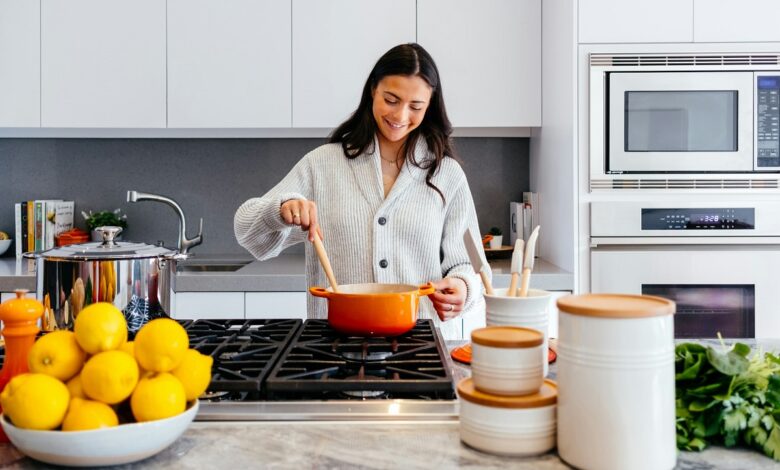
The essential appliances for a cozy, functional home are a refrigerator, a washing machine (ideally with a dryer), a microwave, a vacuum cleaner and a toaster or toaster oven, with a dishwasher and coffee maker close behind. Choosing them well is less about the flashiest features and more about reliability, energy use, repairability and fitting your household’s routine. This guide covers what to look for in each, how to keep them running and how to prioritize if you are furnishing a home on a budget.
How to prioritize appliances
If you are moving into a new place or replacing several things at once, buy in this order: food safety first (refrigerator), then hygiene (washer and dryer), then time savers (microwave, vacuum, dishwasher) and finally convenience items (toaster oven, coffee maker, air fryer). Before you buy, measure the space, including doorways and hallways the appliance must pass through, and check the electrical and plumbing hookups. Our checklist for preparing for a move is a good place to plan deliveries and installation.
| Appliance | Typical lifespan (rough) | Key buying point |
|---|---|---|
| Refrigerator | About 10 to 15 years | Energy efficiency and parts availability |
| Washing machine | About 10 to 14 years | Capacity and water efficiency |
| Microwave | About 7 to 10 years | Size, wattage and easy-clean interior |
| Vacuum cleaner | About 5 to 10 years | Filtration and floor type |
| Toaster or toaster oven | About 5 to 8 years | Even browning and a removable crumb tray |
Lifespans vary a lot with brand, usage and maintenance, so treat these ranges as a planning guide rather than a guarantee.
1. Refrigerator
The fridge runs around the clock, so it is usually the biggest single appliance on your electric bill. Look for an ENERGY STAR certified model, which is designed to use less power than standard models. Top-freezer designs tend to be the most efficient and affordable, bottom-freezer models put fresh food at eye level, and French-door or side-by-side units offer more organization at a higher price.
Think beyond the showroom, too. Choose a reliable brand with easy-to-find parts in the appliance repair centre network or local supply stores, because a door gasket, water filter or fan motor is far cheaper to replace than a whole fridge. Features like through-the-door ice and water are convenient but add parts that can fail.
- Set the fridge at or below 40°F and the freezer at 0°F, the temperatures recommended for food safety.
- Vacuum the condenser coils once or twice a year so the compressor does not overwork.
- Clean door seals with warm soapy water and check they close tightly on a sheet of paper.
- Replace the water filter on the schedule in the manual, often about every six months.
2. Washing machine and dryer
A home washer saves trips to the laundromat and lets you wash on your schedule. Front-loaders generally use less water and spin clothes drier, which shortens dryer time; top-loaders are easier to load without bending and are often cheaper up front. A capacity of roughly 4 to 5 cubic feet suits most families, while singles and couples can go smaller.
- Useful cycles: quick wash for lightly soiled loads, eco or cold modes to save energy, and a delicate cycle for fine fabrics.
- Care: use the right amount of HE detergent, run a monthly cleaning cycle, wipe the door gasket and leave the door open to air out.
- Dryer safety: clean the lint screen after every load and have the vent duct cleaned periodically, since lint buildup is a fire risk.
Check hoses for bulges or cracks once a year. Braided stainless steel hoses cost a little more but are less likely to burst and flood a laundry room.
3. Microwave oven
A microwave handles reheating, defrosting and quick meals in minutes. Countertop models are cheapest and easy to replace; over-the-range models save counter space and double as a vent hood; built-in drawer models look sleek but cost more. Around 1,000 watts or more heats food evenly and quickly for most households.
- Features worth having: sensor cooking that adjusts time automatically, inverter power for more even defrosting, and a convection or grill mode if you want a second oven.
- Care: Clean inside regularly by heating a bowl of water with lemon or vinegar for a few minutes, then wiping the steamed walls.
- Safety: use only microwave-safe containers, never run it empty and stop using it if the door is bent or the seal is damaged.
4. Vacuum cleaner
Regular vacuuming keeps dust, crumbs and pet hair from building up and makes a home feel noticeably fresher. Match the type to your floors and habits:
- Upright: strong suction for wall-to-wall carpet.
- Canister: good on hard floors and stairs, with flexible tools.
- Cordless stick: light and quick for daily touch-ups in apartments and smaller homes; check battery run time.
- Robot vacuum: handles routine maintenance on a schedule but still needs a deeper clean now and then.
A sealed system with a HEPA filter helps if anyone at home has allergies. Empty the bin before it is full, wash or replace filters as the manual directs and clear hair from the brush roll so suction stays strong.
5. Toaster or toaster oven
A pop-up toaster is fast and cheap for bread and bagels. A toaster oven does more: it toasts, reheats pizza without making it soggy, bakes small batches and roasts vegetables, often using less energy than heating a full-size oven. Many newer countertop ovens include an air fry mode, which can replace a separate air fryer.
- Look for browning controls, a bagel setting, a defrost option and a pull-out crumb tray.
- Empty crumbs weekly; built-up crumbs can smoke or catch fire.
- Unplug it when not in use and check the cord for damage.
Nice-to-have appliances that add comfort
Once the basics are covered, a few extras make daily life smoother. A dishwasher can save both time and, when run full, water compared with washing by hand. A programmable coffee maker means coffee is ready when you wake up. A slow cooker or multi-cooker turns cheap ingredients into easy weeknight meals. In humid climates a dehumidifier protects against musty smells, and in dry winters a humidifier can make rooms feel more comfortable. Choose extras based on how you actually cook and live, not on what looks good in a store. A good test is to track for two weeks which chores eat up your time; the appliance that removes the most annoying one is usually the best next purchase.
Buying tips that save money over time
- Compare running costs: the yellow EnergyGuide label shows estimated yearly energy cost, which can matter more than a small price difference at checkout.
- Read the warranty: note what is covered, for how long and whether parts and labor are both included.
- Check repairability: brands with good local service networks and available parts are easier and cheaper to fix.
- Time your purchase: holiday weekends and model changeovers often bring discounts on large appliances.
- Look for rebates: some utilities offer rebates on efficient models, so check your provider’s website.
Repair or replace?
A common rule of thumb is that if a repair costs more than about half the price of a new appliance, and the unit is past the middle of its expected life, replacement is usually the better deal. Simple fixes like a new gasket, belt or filter are almost always worth doing. Getting a broken fridge or washer fixed quickly also limits the knock-on costs of spoiled food or piled-up laundry, as we explain in the impact of quick residential appliance repair on your daily routine. For ways to keep your home clean while trimming power use, see these tips on home hygiene and energy saving.
Frequently asked questions
What appliances do I need for a first home?
Start with a refrigerator, a washer and dryer or access to laundry, a microwave, a vacuum and a toaster or toaster oven. Add a dishwasher and coffee maker as your budget allows.
Which home appliance uses the most electricity?
Heating and cooling systems and water heaters usually use the most. Among kitchen and laundry appliances, the refrigerator and clothes dryer are often the biggest users.
Is a toaster oven better than a toaster?
A toaster is faster and cheaper for bread. A toaster oven is more versatile, handling reheating, baking and roasting small portions, and many include an air fry mode.
How can I make my appliances last longer?
Follow the manual’s maintenance steps: clean fridge coils, clear lint and crumbs, replace filters and fix small problems early before they strain other parts.
Should I repair or replace an old appliance?
If the repair costs more than about half the price of a new one and the appliance is past mid-life, replacing it is often better value. Cheap fixes like gaskets and filters are usually worth doing.


