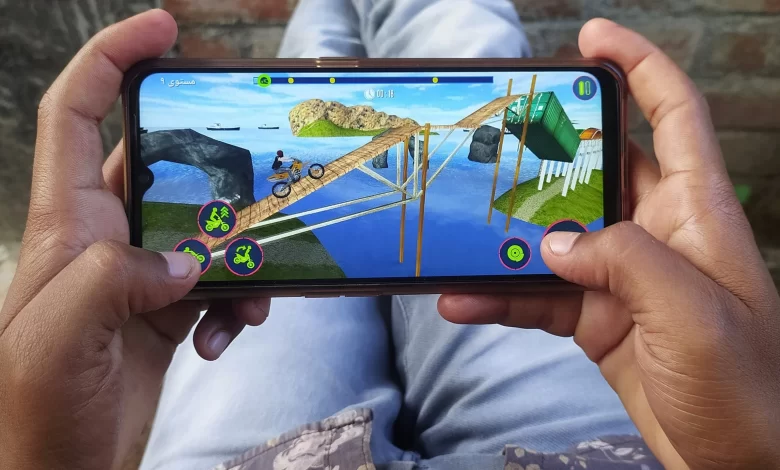
The main advantages of online gaming are social connection with friends and strangers anywhere in the world, a low-cost way to unwind, practice with problem-solving and teamwork, and, for a small number of players, income from streaming, content or competition. Those benefits are real but depend on how and how much you play. This guide explains each advantage, what the evidence does and does not show, and how to keep gaming a healthy part of your routine.
What “online gaming” covers today
Online gaming now spans far more than shooters on a console. It includes multiplayer battle games such as Call of Duty and Fortnite, cooperative adventures, massive online role-playing games, sports titles, strategy games, casual mobile puzzles, chess and card apps, and virtual worlds such as Roblox and Minecraft servers. Real-money gaming, like online casinos and sports betting, is a separate category with its own rules and risks, which we cover later in this article.
Seven advantages of online gaming
1. Staying connected with people
For many players, the biggest benefit is social. Friends who moved away can meet for a regular game night, families spread across time zones can play together, and people with niche interests can find a community. Voice chat, guilds, clans and Discord servers turn games into shared spaces where friendships form and last. For people who find face-to-face socializing difficult, a shared activity can make conversation easier.
2. Stress relief and relaxation
A focused game can pull attention away from everyday worries for a while, much like reading a novel or watching a film. Calm games such as farming sims, puzzle titles and exploration games are popular precisely because they feel restful. Mobile games make short breaks easy, although it helps to be intentional so a quick break does not become an hour of scrolling through menus.
3. Problem-solving and strategic thinking
Strategy, puzzle and simulation games ask players to plan ahead, manage resources, test ideas and learn from failure. Researchers have studied whether those skills carry over to daily life, and results are mixed: some studies suggest benefits for certain kinds of reasoning, while others find the effects are narrow. It is fair to say games offer practice at structured problem-solving, but they are not a replacement for education.
4. Faster attention and visual processing
Some laboratory research has linked fast-paced action games with improvements in visual attention, such as tracking several moving objects or spotting details in a busy scene. These findings are interesting but come with caveats: the studies are often small, and it is unclear how much the gains carry over to tasks outside games. Screen time also has costs, so take regular breaks to reduce eye strain and fatigue.
5. Teamwork and communication
Team games reward clear, calm communication. Players learn to call out information, divide roles, adapt when plans fall apart and handle both winning and losing as a group. Those habits are useful in school projects and workplaces too, especially remote ones.
6. Creativity and self-expression
Sandbox and building games let players design worlds, create mods, script mini-games and customize characters. Some young players get their first taste of coding, level design or 3D art this way, and a few turn those hobbies into careers in game development or digital design.
7. Career and income opportunities
Esports, streaming and gaming content have become real industries. Professional players, streamers, coaches, shoutcasters, video editors and community managers all earn a living around games. It is worth being realistic, though: only a small share of players earn meaningful income, and success usually takes years of consistent work, a distinctive personality or skill level, and a solid understanding of the business side.
Benefits and trade-offs at a glance
| Advantage | Best game types | Watch out for |
|---|---|---|
| Social connection | Co-op, team, MMO, party games | Toxic chat; use mute and report tools |
| Relaxation | Puzzle, sim, exploration | Playing late and losing sleep |
| Problem-solving | Strategy, puzzle, simulation | Expecting benefits to transfer automatically |
| Teamwork | Team shooters, MOBAs, co-op raids | Frustration and heated arguments |
| Creativity | Sandbox and building games | In-game purchases adding up |
| Income | Competitive titles, streaming | Burnout and unrealistic expectations |
How online gaming compares with playing offline
Single-player and local games still have plenty going for them: no internet required, no strangers in voice chat, and stories you can enjoy at your own pace. Online play adds things offline games cannot easily match. There is always someone to play with, matchmaking pairs you with players of a similar skill level, and live-service games receive regular updates, new maps and seasonal events. The trade-offs are a dependence on servers and internet speed, subscription or online service fees on some platforms, and more exposure to in-game purchases and unfriendly players. Many people enjoy both, using offline games to unwind alone and online sessions when they want company or competition.
Cost is another difference. Many popular online games are free to play and earn money through optional cosmetics or passes, which makes it cheap to start but easy to overspend. Paid games cost more upfront but may include everything in the box. Checking how a game makes money before you download it helps you set expectations for yourself or your kids.
Getting a better experience
A few technical fixes make online play noticeably more enjoyable. Latency, the delay between your action and the server’s response, matters most in fast games. A wired Ethernet connection is usually more stable than Wi-Fi, and closing background downloads helps. Our guide on how to run a ping test shows how to check your connection. Clear audio also helps you hear footsteps and teammates; see our tips on optimizing a Windows computer for better sound.
A note on real-money gaming
Some people use “online gaming” to mean online casinos and sports betting. Platforms such as 20Bet combine sportsbooks with casino-style games, and they are part of the same online entertainment trend. Real-money play is different from regular gaming in important ways. It is legal only for adults and only in certain places, rules vary widely by country and by US state, and the odds are designed to favor the operator over time. If you choose to take part, check that it is legal where you live, treat any money spent as the cost of entertainment, set deposit and time limits, and never chase losses. Our article on the rise of online gambling influenced by social media ads looks at the risks in more depth.
Keeping gaming healthy
Like most enjoyable activities, gaming is best in balance. The World Health Organization includes “gaming disorder” in its International Classification of Diseases, describing a pattern where gaming takes priority over other interests and daily responsibilities despite harmful consequences. Most players never reach that point, but a few habits keep things on track:
- Set time boundaries, especially on school and work nights, and stop at least an hour before bed.
- Take breaks every hour or so to stretch, rest your eyes and drink water.
- Manage spending on loot boxes, battle passes and in-game currency with a monthly limit.
- Protect your privacy by not sharing personal details with strangers and using two-factor authentication on gaming accounts.
- For parents: check ESRB age ratings, use console and platform parental controls, and play together sometimes so you know what your child enjoys.
- Notice warning signs such as skipped meals, falling grades, irritability when not playing or hiding how much time is spent.
Choosing games that fit your goals
If you want to stay in touch with friends, cooperative games with voice chat work better than solo titles. If you want to relax, pick games without timers or ranked pressure. If you want a mental workout, try strategy, puzzle or chess apps with adjustable difficulty. If you are curious about game creation, sandbox games with building tools or free engines are a good starting point. Matching the game to your goal is the simplest way to make sure the time feels well spent.
Frequently asked questions
Is online gaming good for your brain?
Some research links certain games with better visual attention and problem-solving practice, but results are mixed and the effects may be narrow. Balance with sleep, exercise and other activities matters most.
Can online gaming help you make friends?
Yes. Cooperative and team games, guilds and community servers help many players build lasting friendships. Use privacy settings and be careful about sharing personal information.
Can you make money from online gaming?
Some people earn money through esports, streaming, coaching or content creation, but only a small share earn a meaningful income, and it typically takes years of consistent effort.
How much gaming is too much?
There is no single number. It becomes a problem when gaming crowds out sleep, school, work, relationships or health, or when you struggle to stop despite negative effects.
Is online gaming the same as online gambling?
No. Regular online games are played for fun, while online gambling involves wagering real money. Gambling is restricted to adults, legal only in some places and carries financial risk.