Herbal color can cover grey hair well, but it works differently from box dye. Pure henna stains grey strands a copper-to-red shade, henna followed by indigo gives brown to black, and blends with cassia and other herbs give softer, lighter tones on grey. The trade-offs are more time, more mess and less predictable results, in exchange for avoiding ammonia, peroxide and PPD. Here is how herbal hair color works, which shades to expect on grey, how to apply it, and the safety points that labels do not always make clear.
Why grey hair takes herbal color well
Hair turns grey or white as the follicles make less melanin, the pigment that gives hair its color. Without that pigment, each strand is essentially a blank canvas, so plant dyes show up more vividly on grey than on dark hair. That is good news if you want a bright copper or auburn, and a caution if you do not: pure henna on white hair can come out a lot more orange than expected.
Grey hair can also feel coarser or drier than it used to. Many people find that henna leaves hair feeling thicker and glossier because it binds to the outer layer of the strand, though very dry hair can feel stiffer after a treatment until it is conditioned.
How herbal hair color differs from chemical dye
Permanent box dyes typically use an alkaline agent such as ammonia to open the hair cuticle and hydrogen peroxide to develop color molecules inside the strand, often with para-phenylenediamine (PPD) or related compounds. That chemistry is fast and predictable, and it can lighten hair, but it can also be drying, and PPD is a well-known cause of allergic reactions in some people.
Plant dyes work by staining the hair’s surface layers. They do not lighten, they build up with each application, and they cannot easily be removed. The table below sums up the differences.
| Herbal (henna, indigo, cassia) | Conventional permanent dye | |
|---|---|---|
| Grey coverage | Good, may need two steps for dark shades | Very good, one step |
| Can it lighten hair? | No | Yes |
| Processing time | Often 1 to 4 hours | Usually 30 to 45 minutes |
| Shade predictability | Varies with your hair and the batch | High |
| Typical chemicals avoided | Ammonia, peroxide, PPD (in pure products) | Often contains them |
| Switching color later | Difficult; stains build up | Easier with salon help |
The main herbal ingredients and the shades they give
Henna (Lawsonia inermis)
Henna leaves contain lawsone, a natural dye that binds to keratin. On grey hair it gives orange, copper or red, deepening over the first two or three days as it oxidizes. It is the backbone of almost every herbal hair color.
Indigo (Indigofera tinctoria)
Indigo gives a blue-black stain. Used alone on grey it can look blue or green, so it is almost always applied over henna or mixed with it. Henna first, then indigo, produces dark brown to black. Mixing them in different ratios gives a range of browns.
Cassia obovata (“neutral henna”)
Cassia has little color of its own and is used mainly as a conditioning treatment. On white or light grey hair it can leave a faint golden tint. Blended with a small amount of henna it gives strawberry-blonde to golden shades.
Other herbs
Many Indian herbal blends add amla, bhringraj, hibiscus, brahmi or shikakai. These are traditionally used for hair conditioning and can shift the tone slightly, for example making henna less orange. Their benefits for hair growth are largely traditional rather than well proven, so treat such claims with some caution.
What about herbal blonde shades?
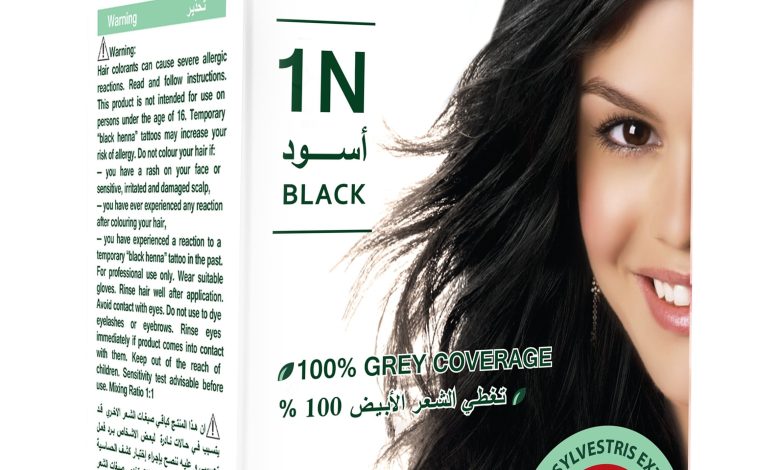
Because plant dyes cannot lighten hair, “herbal blonde” products work only on hair that is already light: grey, white or naturally fair. On grey hair, blends labeled golden blonde or honey blonde, usually built from cassia with a little henna, can give a soft warm blonde that blends greys rather than hiding them completely. On dark brown hair, the same product will usually just add a subtle warm sheen. Manufacturers such as Kirpal Export Overseas (KEO), one of several herbal hair color manufacturers producing henna-based blends, offer a range of blonde, brown and black shades built on these ingredients. Always check the full ingredient list rather than relying on the shade name.
How to apply herbal color to grey hair
Follow the instructions on your product, since preparation varies. A typical approach looks like this:
- Do a patch test and a strand test. Apply a little paste behind your ear or inside your elbow 48 hours before, and color a small snip of hair from a hairbrush to preview the shade.
- Start with clean, dry, product-free hair. Silicone-heavy conditioners can block the stain.
- Mix the powder with warm water to a yogurt-like paste. Pure henna is often left to rest for a few hours for the dye to release; indigo is mixed just before use.
- Protect your skin and surfaces. Wear gloves, apply petroleum jelly along the hairline and use an old towel.
- Apply in sections, starting with the greyest areas, usually the part line and temples, and cover every strand thickly.
- Cover and wait. Wrap with a shower cap and leave for the recommended time, often one to four hours.
- Rinse thoroughly with water, then condition. Many people skip shampoo for a day or two while the color develops.
- For dark shades, do step two: apply indigo the same day or the next, as directed.
Touch-ups every four to six weeks at the roots keep new grey growth covered. Avoid reapplying to the lengths every time, or the ends can get darker than intended.
Safety points to know
“Herbal” or “natural” on a label does not guarantee a product is safe or pure. Keep these points in mind:
- Avoid “black henna.” Real henna is never black. Products sold as black henna, especially for skin designs, may contain PPD at high levels and have caused serious skin reactions.
- Read the full ingredient list. Some “herbal” hair colors still contain PPD or other synthetic dyes to speed up results.
- Watch for compound henna containing metallic salts. It can react badly with later chemical dye or bleach.
- Patch test every time, even with a product you have used before. Allergies to plant ingredients are possible.
- Tell your stylist. If you later want chemical color or bleach, a salon will need to know about any henna in your hair.
If you have a scalp condition, a known dye allergy, or are pregnant, check with a dermatologist or doctor before coloring.
Caring for herbally colored grey hair
Use a gentle, sulfate-free shampoo and a good conditioner, since grey hair tends to be drier. A weekly oil or mask helps with softness. Limit heat styling, and use a heat protectant when you do; a gentle tool like a hair dryer brush on a low setting is kinder than repeated high-heat flat ironing. Henna color is quite fade resistant, but sun and chlorine can dull it over time, so a hat helps in summer.
Pairing new color with a fresh cut can make the change feel intentional. If your hair is thinning or fine with age, these short hairstyles for fine hair can add volume and work well with herbal color. For a broader routine built around gentle products, a range of natural hair care items such as mild cleansers and oils can complement plant-based color.
Embracing grey is an option too
Plenty of people now choose to let their grey grow in, either fully silver or as a salt-and-pepper blend. If you are on the fence, a softer herbal shade that blends rather than hides the grey, such as a light golden tone from cassia, can ease the transition and fade naturally into regrowth. There is no right answer, only what makes you feel like yourself.
This article is general information, not medical advice. Consult a dermatologist if you have allergies or scalp concerns.
Frequently asked questions
Does herbal color fully cover grey hair?
Henna-based colors generally cover grey well, though stubborn grey may need a longer application or a second session. Dark brown and black usually need a two-step henna and indigo process.
Why did henna turn my grey hair orange?
Pure henna stains unpigmented hair a bright copper-orange. To get brown or black, apply indigo over the henna or use a henna and indigo blend.
Is herbal hair dye safe for sensitive skin?
Pure plant dyes avoid PPD and ammonia, which helps many people, but allergies are still possible and some herbal products contain synthetic dyes. Read labels and patch test 48 hours before every use.
Can herbal color make my hair lighter?
No. Plant dyes only add color. Herbal blonde shades show up on grey, white or naturally light hair, but will not lighten dark hair.
How long does herbal hair color last?
Henna is long lasting and grows out rather than washing out. Most people touch up the roots every four to six weeks as new grey appears.