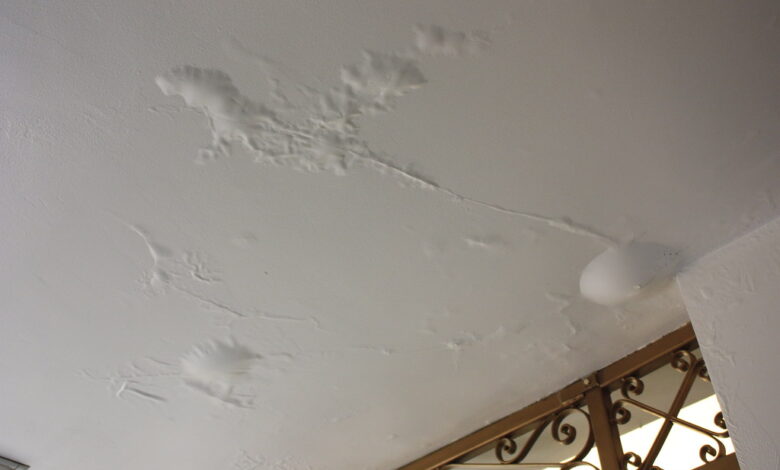
If your Grand Rapids home has water damage, the first 24 to 48 hours matter most: stop the source, make the area safe, document everything and get the water out and the structure drying before mold has a chance to take hold. Professional restoration follows a set sequence of inspection, extraction, drying, cleaning and repair, and a good company will measure moisture rather than guess. This guide walks through what to do right away, how the restoration process works, what drives the cost, how insurance usually fits in, and the prevention steps that matter most in West Michigan’s climate.
Why water damage is a particular risk in Grand Rapids
West Michigan homes face a mix of seasonal risks. Cold winters bring frozen and burst pipes, especially on exterior walls, in crawl spaces and in unheated garages. Heavy snow on roofs can lead to ice dams that push meltwater under shingles and into ceilings. Spring snowmelt and heavy rain raise groundwater and stress basements, sump pumps and foundation cracks, and properties near the Grand River and its tributaries can be affected when water levels rise. Many older Grand Rapids neighborhoods also have homes with aging plumbing and fieldstone or block foundations that are more prone to seepage.
Add everyday causes such as failed water heater tanks, washing machine hoses, dishwasher leaks and toilet overflows, and it is easy to see why water damage is one of the most common home insurance claims.
What to do in the first hours
- Stay safe. If water is near outlets, appliances or the electrical panel, do not walk through it. Shut off power at the breaker only if you can do so from a dry location; otherwise call the utility or an electrician.
- Stop the water. Close the main water shutoff (often in the basement near the meter) or the valve for the leaking fixture.
- Document the damage. Take photos and video of the water, the source and affected belongings before moving things.
- Move what you can. Lift furniture onto blocks or foil, and move rugs, electronics, papers and valuables to a dry area.
- Call your insurer and a restoration company. Ask your insurer how they want the claim reported, and get professional drying started quickly.
- Avoid contaminated water. Sewage backups and floodwater can carry bacteria; keep children and pets away and wear gloves and boots.
Moving quickly is the whole point of mitigation; our article on the top reasons to act fast with professional water mitigation explains why delays tend to multiply the cost.
Understanding water categories
The restoration industry, following IICRC guidance, sorts water by contamination level. The category affects what can be dried and saved and what must be removed.
| Category | Typical sources | What it usually means |
|---|---|---|
| Category 1 (clean water) | Supply line break, overflowing sink with clean water | Many materials can be dried in place if handled quickly |
| Category 2 (gray water) | Washing machine or dishwasher discharge, some toilet overflows | Needs cleaning and antimicrobial treatment; some porous items may be discarded |
| Category 3 (black water) | Sewage backup, outside floodwater | Porous materials such as carpet and pad are generally removed; strict safety precautions |
Clean water can degrade to a higher category if it sits, which is another reason to act fast.
How professional water damage restoration works
1. Inspection and moisture mapping
Technicians identify the source, classify the water and use moisture meters and often thermal imaging cameras to find how far it has spread. Water wicks up drywall and travels under flooring, so the wet area is usually larger than it looks.
2. Water extraction
Pumps and truck-mounted or portable extractors remove standing water and pull as much as possible from carpet and pad. Good extraction shortens drying time considerably.
3. Removing damaged materials
Materials that cannot be saved, such as soaked carpet pad, swollen particleboard or wet insulation, are removed. Crews may cut drywall a foot or two above the water line (a “flood cut”) so wall cavities can dry.
4. Drying and dehumidification
Air movers and commercial dehumidifiers run continuously, often for about three to five days for a typical clean-water loss, though it can take longer. Technicians should take readings daily and adjust equipment until materials reach dry standard, not simply leave fans for a set number of days.
5. Cleaning, sanitizing and odor control
Surfaces are cleaned and, where appropriate, treated with antimicrobials. Contents such as furniture, textiles and documents may be cleaned on site or packed out for specialist treatment.
6. Repairs and reconstruction
Once everything is dry, drywall, trim, flooring, cabinets and paint are replaced or repaired. Some restoration companies handle this in house; others hand off to a contractor.
What water damage restoration costs
There is no single price, because cost depends on how much area is wet, the water category, how long it sat, the materials involved and how much rebuilding is needed. A small, quickly caught clean-water leak may cost a few hundred to a couple of thousand dollars to dry out. A finished basement flood or sewage backup can run well into the thousands once removal and reconstruction are included. Ask for a written scope, and expect the final invoice to reflect equipment days and materials actually used. Speed is the biggest factor you control: the longer water sits, the more has to be torn out.
How homeowners insurance usually fits in
Standard homeowners policies commonly cover sudden and accidental water damage, such as a burst pipe, but often exclude gradual leaks, poor maintenance and outside flooding. Flood coverage typically requires a separate flood policy, for example through the National Flood Insurance Program, and sewer or sump pump backup is often an optional endorsement. Policies vary, so read yours, report the loss promptly, keep receipts for emergency work and save damaged items until the adjuster has seen them if possible.
Choosing a restoration company in Grand Rapids
When you search for water damage restoration in Grand Rapids, you will find national franchises such as Restoration 1 alongside independent local firms. Compare them on the same points:
- 24/7 response and a realistic arrival time.
- IICRC-certified technicians for water damage restoration and applied structural drying.
- Proof of insurance and any required licensing for the repair work they perform.
- Moisture documentation: daily readings and photos, which also help your insurance claim.
- Clear paperwork: a written scope and estimate, and no pressure to sign an assignment of benefits you do not understand.
- Recent local reviews that mention communication and cleanup, not just speed.
For recurring basement moisture rather than a one-time event, you may also need a waterproofing contractor; our guide on how to choose the best basement water leak repair services covers what to ask.
Preventing water damage in a West Michigan home
- Winterize: disconnect garden hoses in fall, shut off and drain outdoor spigots, insulate pipes in exterior walls and crawl spaces, and keep the heat on when traveling.
- Look after the sump pump: test it each spring by pouring water into the pit, and consider a battery backup and a high-water alarm.
- Manage roof water: clean gutters, make sure downspouts discharge several feet from the foundation, and improve attic insulation and ventilation to reduce ice dams.
- Replace risky hoses: swap rubber washing machine hoses for braided stainless lines and check them yearly.
- Watch the water heater: tanks have a finite life; rust, puddles or rumbling are warning signs.
- Install leak sensors: inexpensive alarms near the water heater, washer, sump and under sinks give early warning, and smart shutoff valves can stop the water automatically.
If you notice a musty smell or staining after a leak, have it checked. Our article on where to find free mold testing and why it matters explains the options. More maintenance guides are in our Home Improvement category.
Frequently asked questions
How quickly can mold grow after water damage?
Mold can begin to grow on damp materials within roughly 24 to 48 hours, which is why fast extraction and drying are so important.
How long does water damage restoration take?
Drying often takes about three to five days for a typical clean-water loss. Repairs can add days or weeks depending on how much material was removed.
Can I dry out water damage myself?
Small, clean spills caught immediately can often be handled with towels, fans and a dehumidifier. Larger losses, wet walls, contaminated water or anything under flooring usually need professional equipment and moisture testing.
Does homeowners insurance cover basement flooding?
It depends on the cause and your policy. Sudden pipe bursts are often covered, but outside floodwater usually needs flood insurance and sump backup often needs a separate endorsement.
What certification should a restoration company have?
Look for technicians certified by the IICRC in water damage restoration, along with proof of insurance and clear written estimates.


