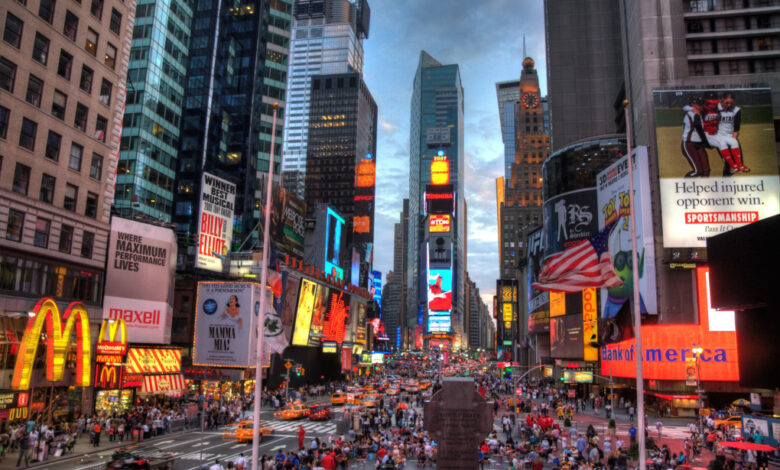
The best vacation spots in New York State are New York City for museums, food and Broadway; Niagara Falls for one of North America’s great natural sights; the Adirondacks and Lake Placid for mountains and lakes; the Finger Lakes for wineries and waterfall gorges; the Hudson Valley and the Catskills for easy weekend escapes; and the Hamptons and Montauk for beaches. Below is what each place is best for, when to go and how to fit two or three into one trip.
Quick Comparison of New York’s Top Vacation Spots
| Destination | Best for | Best time to visit | Rough drive from NYC |
|---|---|---|---|
| New York City | Museums, food, shows, first-time visitors | Spring, fall, December | n/a |
| Hudson Valley | Art, historic estates, farm stays | Fall | 1 to 2 hours |
| Catskills | Hiking, small towns, ski weekends | Summer, fall, winter | 2 to 3 hours |
| Hamptons and Montauk | Beaches, dining, summer scene | June to September | 2 to 3 hours, traffic permitting |
| Adirondacks and Lake Placid | Wilderness, lakes, winter sports | Summer, fall, winter | 4.5 to 5.5 hours |
| Finger Lakes | Wine trails, gorges, lake towns | Late spring to fall | 4 to 5 hours |
| Niagara Falls | The falls, boat tours, family trips | Late spring to early fall | About 6.5 to 7 hours, or fly to Buffalo |
1. New York City
For most visitors, a trip to New York starts with the city, and it earns its reputation. In a few days you can see the Metropolitan Museum of Art, walk Central Park, ride the free Staten Island Ferry past the Statue of Liberty, cross the Brooklyn Bridge on foot and catch a Broadway show. Neighbourhoods are the real attraction: Greenwich Village, the Lower East Side, Harlem, Williamsburg and Flushing each have a distinct feel and food scene.
- Tip: Use the subway and your contactless card or phone to pay fares; it is usually faster than taxis.
- Tip: Discount same-day Broadway tickets are available at the TKTS booth in Times Square and through digital lotteries.
- Tip: Hotels are cheapest in January and February and most expensive around the holidays.
For a longer list of city sights, see our guide to famous tourist spots to visit in New York.
2. Niagara Falls
On the U.S. side, Niagara Falls State Park, established in 1885, is the oldest state park in the country. The classic experiences are the Maid of the Mist boat ride into the spray at the base of Horseshoe Falls, the Cave of the Winds walkways beside Bridal Veil Falls and the views from Goat Island and Prospect Point. With a valid passport or other accepted document, you can walk across the Rainbow Bridge to the Canadian side for panoramic views.
Boat tours usually run from spring to fall, while winter brings dramatic ice formations and far smaller crowds. Pair the falls with Buffalo for architecture and food, or with Letchworth State Park, often called the “Grand Canyon of the East,” about an hour away.
3. The Adirondacks and Lake Placid
Adirondack Park covers roughly six million acres, a mix of public and private land that makes it larger than many national parks combined. It contains thousands of lakes and ponds and 46 High Peaks that dedicated hikers try to climb in full. Lake Placid, host of the 1932 and 1980 Winter Olympics, is the best base for first-timers, with Olympic venues to tour, Mirror Lake to paddle and Whiteface Mountain for skiing or a summer drive to the summit. Lake George, farther south, is the go-to for boating and family summer vacations.
- Tip: Popular trailheads fill early in summer and fall. Some, such as the Adirondack Mountain Reserve lands near Keene Valley, require advance parking reservations in peak season.
- Tip: Black flies can be intense in late May and June; pack repellent.
4. The Finger Lakes
These long, narrow glacial lakes in central New York are known for wineries, especially Riesling, along the Seneca, Cayuga and Keuka wine trails. Watkins Glen State Park has a Gorge Trail that passes 19 waterfalls in about two miles, and Ithaca, home to Cornell University, is surrounded by waterfalls and gorges of its own. Towns such as Skaneateles, Geneva and Hammondsport make easy, walkable bases. Fall harvest season is the most popular time, so book lodging early.
5. The Hudson Valley
Just north of the city, the Hudson Valley is ideal for a weekend without a long drive, and Metro-North trains reach many towns. Highlights include the modern art museum Dia Beacon, the large outdoor sculpture park at Storm King Art Center, the Walkway Over the Hudson in Poughkeepsie, the Franklin D. Roosevelt Presidential Library and Home in Hyde Park, and West Point. Fall foliage season brings apple picking and farm stands, and towns like Beacon, Cold Spring, Rhinebeck and Hudson have lively main streets.
6. The Catskills
The Catskills blend forested mountains with a revived small-town scene of boutique hotels, cabins and farm-to-table restaurants. Kaaterskill Falls, one of the tallest waterfalls in the state, is a popular short hike (stay on marked trails, as the cliffs are dangerous). Woodstock offers galleries and music, Phoenicia is a hub for tubing on the Esopus Creek in summer, and Hunter and Windham mountains draw skiers in winter.
7. The Hamptons and Montauk
At the eastern end of Long Island, the Hamptons are known for wide ocean beaches, historic villages like Sag Harbor and East Hampton, and a busy summer social scene. Montauk, at the very tip, feels more laid back, with surfing, seafood shacks and the Montauk Point Lighthouse, authorized under George Washington and the oldest lighthouse in the state. Summer lodging is expensive and books up, so consider visiting in June or September for lower rates and quieter beaches. Many beaches require resident permits for parking, so check before you go or take the Long Island Rail Road or a bus.
More Places Worth a Detour
- Thousand Islands: Boat tours on the St. Lawrence River and Boldt Castle on Heart Island.
- Saratoga Springs: Mineral springs, a walkable downtown and the summer race meet at Saratoga Race Course.
- Cooperstown: The National Baseball Hall of Fame and Museum on Otsego Lake.
- North Fork of Long Island: Vineyards and farm stands with a slower pace than the Hamptons.
Sample Itineraries
- Long weekend: Two days in New York City plus a day trip by train to Beacon or Cold Spring.
- One week, city and mountains: Three nights in the city, two in the Catskills, two in Lake Placid.
- One week, western New York: Fly into Buffalo, spend two nights at Niagara Falls, visit Letchworth, then three nights in the Finger Lakes before flying home from Rochester or Syracuse.
Practical Tips for Planning a New York Vacation
You do not need a car in New York City, but you will want one for almost everywhere upstate. If you are flying in and renting at the airport, our tips on saving on airport car rentals can cut costs. Fall is the most popular season upstate, with peak foliage generally arriving earlier in the Adirondacks (often late September to early October) and later in the Hudson Valley. Winter trips work well for skiing and city holidays but bring snow, especially near the Great Lakes, so check road conditions. Prices and opening hours for attractions change seasonally, so confirm details on official park and venue websites before you go.
Also budget for the small things that add up: tolls on bridges and highways, parking in the city and at trailheads, and the fact that popular restaurants and shows in the city book out weeks ahead. A little planning before you travel is worth more than any single attraction.
What to Pack and How to Get Around
New York rewards packing for variety. Even in summer, mountain evenings in the Adirondacks and Catskills can be cool, and a lakeside breeze in the Finger Lakes is colder than the city. Pack layers rather than one heavy coat: a light waterproof jacket, comfortable walking shoes (you will walk far more than you expect in the city), and a small daypack for water, sunscreen and a portable charger. In winter, add insulated boots with grip — icy sidewalks in the city and snowy trails upstate are unforgiving.
For getting around, the subway and buses cover New York City well, and the Metro-North and Amtrak lines reach the Hudson Valley, the Catskills edge and western New York. Beyond the train stations, though, a rental car is almost essential: the Adirondacks, Finger Lakes and Niagara region are spread out, and public transport between small towns is thin. If you are flying into one of the regional airports — Buffalo for Niagara, Rochester or Syracuse for the Finger Lakes, Albany for the Adirondacks — pick the car up there rather than driving all the way from the city.
The Bottom Line
If you have one trip, choose by season: spring and fall for the city and the Hudson Valley, summer for the Finger Lakes and the beaches, winter for Lake Placid and holiday New York. If you have a week, pair the city with one region rather than trying to see the whole state — New York is far bigger than most visitors expect, and the best trips are the ones that leave time to linger.
Frequently Asked Questions (FAQs)
What is the most beautiful place to vacation in New York State?
It depends on what you enjoy. Niagara Falls and the Adirondacks are the most dramatic natural settings, the Finger Lakes combine lakes, gorges and wineries, and the Hudson Valley is prized for fall scenery.
When is the best time to visit New York?
Late spring and fall are the most comfortable for most of the state. Summer is best for beaches and lakes, and winter suits skiing and holiday visits to New York City.
How many days do you need for a New York vacation?
Three to four days covers New York City highlights. A week lets you add one or two regions, such as the Catskills and Lake Placid, or Niagara Falls and the Finger Lakes.
Can you visit Niagara Falls as a day trip from New York City?
It is possible by flying to Buffalo, but the drive is roughly seven hours each way, so most visitors stay at least one night.
Do I need a car to explore New York State?
Not in New York City or for some Hudson Valley towns reachable by train, but a car is the easiest way to see the Adirondacks, Catskills, Finger Lakes and Niagara region.
When is peak fall foliage in New York?
Generally late September to early October in the Adirondacks, moving later as you head south — the Hudson Valley and Catskills usually peak in mid to late October. Timing varies year to year with weather.