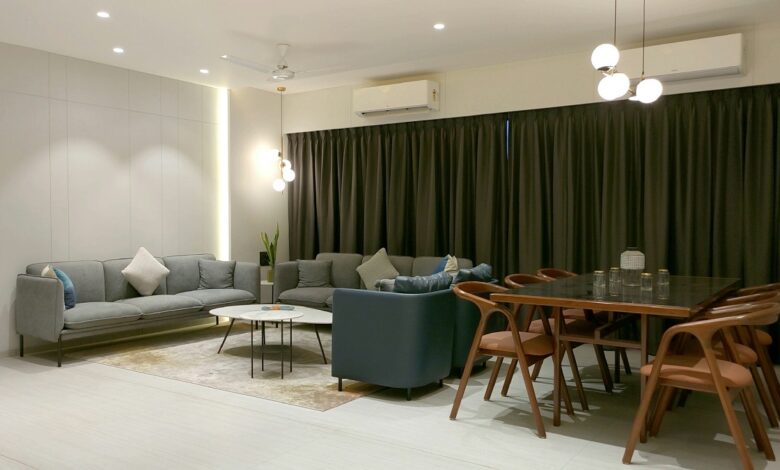
The modern window treatments that do the most for insulation and comfort are cellular (honeycomb) shades, insulated or thermal-lined curtains, Roman shades with a thermal lining, and exterior options such as awnings and solar screens. The key is a tight fit and the right treatment for the season: trapping air to slow heat loss in winter and blocking sun before it heats the room in summer.
This guide compares the options, explains how to install them for the best results, and shows how to pair them with other simple fixes.
Why Windows Matter So Much for Comfort
Even good windows insulate far less than a wall. In winter, heat moves through the glass and frame and escapes through small gaps, which is why rooms feel drafty and cold near windows. In summer, sunlight streaming through glass, particularly on south and west exposures, turns straight into heat indoors.
Window treatments tackle both problems by adding an insulating layer of trapped air, blocking or reflecting sunlight, and reducing drafts at the edges. They are one of the cheapest comfort upgrades in a home, because they need no structural work and can be fitted in an afternoon.
Comparing Insulating Window Treatments
| Treatment | Winter insulation | Summer heat control | Notes |
|---|---|---|---|
| Cellular (honeycomb) shades | Very good, best with double-cell and side tracks | Good, especially blackout versions | Clean, modern look; top-down/bottom-up options |
| Insulated or thermal curtains | Good when floor length and closed at night | Good with a light-coloured backing facing out | Affordable and easy to swap |
| Roman shades with thermal lining | Moderate to good | Moderate | Tailored look for living rooms and bedrooms |
| Solar or roller shades | Low | Good at cutting glare and heat while keeping a view | Openness factor controls how much light passes |
| Plantation shutters | Moderate when well fitted | Good | Durable, higher upfront cost |
| Window film | Low-e films help somewhat | Good for reflecting solar heat | Check window warranty before applying |
| Exterior awnings and solar screens | Minimal | Excellent, since they stop sun before it reaches the glass | Very effective on west-facing windows |
No single treatment wins in every category. The right choice depends on your climate, the direction the window faces, and whether winter heat loss or summer overheating is the bigger problem.
Cellular Shades: The Insulation Standout
Cellular shades are made of pleated fabric formed into hexagonal pockets that hold air, the same principle as double-pane glass or a down jacket. The more cells and the tighter the fit, the better they insulate. Double-cell designs usually outperform single-cell, and side tracks that seal the edges add another step up. The U.S. Department of Energy recognizes cellular shades as one of the more effective window coverings for reducing heat loss when they are installed snugly.
Style has caught up with performance. Products like Marlow & Finch honeycomb shades come in soft neutral fabrics and light-filtering or blackout options, so they suit modern interiors rather than looking purely functional. Top-down/bottom-up versions let in daylight at the top of the window while keeping privacy lower down, and cordless lifts are safer in homes with young children or pets.
Thermal Curtains and Drapes
Insulated curtains use a dense weave plus a foam, felt or multi-layer lining. They are the easiest upgrade for renters and the most budget-friendly. To get real insulation value:
- Hang them close to the ceiling and let them reach the floor or sill.
- Extend the rod several inches beyond the frame on each side.
- Use a wraparound rod or a cornice at the top to stop warm air from spilling behind the curtain.
- Choose a light-coloured or reflective backing facing the window to bounce summer sun away.
Layering sheer panels in front of thermal curtains, or pairing curtains with a cellular shade, gives you both daylight control and insulation. Curtains are also the easiest treatment to change with the seasons — heavy lined panels in winter, lighter sheers in summer.
Keeping Homes Cool in Summer
Heat control is about blocking sunlight before it becomes heat. Close shades on east-facing windows in the morning and on west and south-facing windows in the afternoon. Exterior shading such as awnings, exterior solar screens or even trees and trellises are the most effective, because they stop sunlight outside the glass. Indoors, light-coloured or reflective-backed shades and solar films help.
For broader ideas on how to keep interiors cool in summer, Forbes has a useful roundup of products and habits that work alongside good window coverings — from fans and light-coloured bedding to timing when you open windows.
Installation Details That Make the Difference
A premium shade installed loosely can perform worse than an inexpensive one that fits tightly. Keep these points in mind:
- Inside mount gives a clean look but leaves small gaps at the sides. Measure carefully at the top, middle and bottom and use the narrowest width.
- Outside mount overlaps the frame, which reduces gaps and light leaks and works well for insulation.
- Side channels for cellular shades seal edges and noticeably improve performance on drafty windows.
- Seal drafts first. Weatherstripping and caulk around frames are inexpensive and stop air leaks that no shade can fix.
- Look for ratings. Some window coverings are now tested and labeled by the Attachments Energy Rating Council (AERC), which rates products for heating and cooling performance. If energy savings are your main goal, looking for an AERC label is a helpful way to compare products objectively.
Measure twice and check the manufacturer’s measuring guide for your mount type — a quarter-inch error is enough to leave a light gap that defeats the insulation you paid for.
Choosing by Room
- Bedrooms: Blackout cellular shades or lined curtains for insulation, darkness and better sleep.
- Living rooms: Light-filtering cellular or Roman shades layered with curtains for flexibility through the day.
- Kitchens and bathrooms: Moisture-resistant materials such as faux wood shutters, vinyl or moisture-resistant cellular fabrics.
- Large sliding doors: Vertical cellular shades or panel tracks that stack neatly to one side.
- West-facing rooms: Exterior awnings or solar screens plus interior shades for hot afternoons.
For more style-focused inspiration, our collection of window treatment ideas covers colours and layering.
A Simple Seasonal Routine
How you use window treatments matters as much as which ones you buy. A few habits get the most out of them:
- Winter days: Open shades on sunny south-facing windows to let in free solar heat, and keep north-facing windows covered.
- Winter nights: Close every shade and curtain at dusk to hold warmth inside.
- Summer mornings: Close east-facing coverings before the sun hits them.
- Summer afternoons: Keep south and west windows shaded, and open them in the evening if the air outside is cooler.
- Spring and fall: Vacuum or dust fabric shades, check cords and mechanisms, and inspect weatherstripping for wear.
Watch for condensation. Tight-fitting shades on cold single-pane windows can trap moist air against the glass, which may lead to mold on sills. Open coverings for part of the day and run bathroom and kitchen fans to keep humidity in check.
Smart and Motorized Treatments
Motorized shades can open and close on schedules or respond to sunlight and temperature, which means they actually get used at the right times. Many connect to smart home systems or thermostats. They cost more upfront than manual shades, but for hard-to-reach windows or rooms with strong afternoon sun they can make a real difference in comfort. Battery-powered motors are simpler to retrofit than hardwired ones.
Before buying, check that the motor system works with your existing smart home platform, and confirm how the shades behave in a power cut — most can still be operated by hand or have a manual override.
Costs and Value
Prices vary with window size, fabric and features. Ready-made thermal curtains are the least expensive option, standard-size cellular shades from big-box stores cost more, and custom-sized, motorized or designer shades cost the most, often several hundred dollars per window. Exterior awnings and shutters sit at the higher end but last for years.
When budgeting, prioritize the rooms you use most and the windows that face the harshest sun or coldest winds. Some utilities offer rebates or free energy audits that can point you to the biggest wins, so check with your provider before you buy.
Pairing Window Treatments With Other Easy Upgrades
Window treatments work best as part of a whole-home approach. Seal drafts around doors, run ceiling fans in the right direction for the season, and keep heating and cooling equipment serviced. Our tips on keeping a healthy home while saving energy include other low-cost habits that add up.
Start with the worst room — the one that is coldest in winter or hottest in summer — and measure the difference after fitting a treatment there. That single result usually tells you whether to do the rest of the house the same way.
The Bottom Line
For insulation, double-cell cellular shades with side tracks are the strongest interior option; for budget and flexibility, floor-length thermal curtains are hard to beat; and for summer heat, nothing beats stopping the sun outside the glass with an awning or solar screen. Whatever you choose, fit matters more than price — a snug, well-installed treatment outperforms an expensive loose one every time.
Frequently Asked Questions (FAQs)
What window treatment is best for insulation?
Cellular (honeycomb) shades, especially double-cell designs installed with side tracks, are among the most effective interior options. Floor-length thermal curtains hung with a wraparound rod are a strong budget alternative.
Do thermal curtains really work?
Yes, when they are hung close to the window, reach the floor or sill, extend past the frame and are closed at night in winter and during peak sun in summer.
Are honeycomb shades good for summer too?
They help by blocking and insulating against incoming heat, particularly blackout versions. For very sunny west-facing windows, adding exterior shading gives the best results.
Is an inside or outside mount better for insulation?
An outside mount usually insulates better because it overlaps the frame and leaves fewer gaps. An inside mount can work well if paired with side channels.
Can window treatments lower energy bills?
They can reduce heating and cooling loads, especially in homes with older or single-pane windows. Savings depend on your climate, window orientation, fit and how consistently you use them.
Are motorized shades worth the extra cost?
For hard-to-reach windows or rooms with strong afternoon sun, yes — they open and close on schedule, so the insulation and shading actually happen. For easy-to-reach windows you use daily, manual shades deliver most of the benefit for less money.


