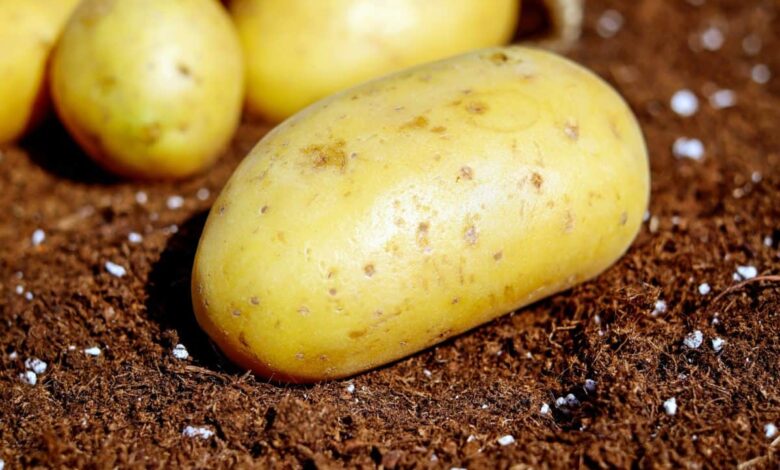
Yes, potatoes are healthy when they are cooked simply and eaten in sensible portions. A medium potato with the skin on has about 110 calories, no fat, 3 grams of protein, 2 grams of fiber, and meaningful amounts of potassium, vitamin C and vitamin B6. The problem is rarely the potato itself; it is the frying, butter, cheese and sour cream that tend to come with it. Below is a clear look at potato nutrition, how cooking changes it, how potatoes compare with other starches and who might want to be more careful.
Potato nutrition facts at a glance
The figures below are for one medium white potato (about 5.3 ounces or 148 grams), cooked with the skin on and nothing added. They match the widely used US label values; exact numbers vary a little by variety and size, and you can find the full panel in these potato nutrition facts.
| Nutrient | Amount (approx.) | Roughly % of Daily Value |
|---|---|---|
| Calories | 110 | n/a |
| Carbohydrates | 26 g | 9% |
| Fiber | 2 g | 7% |
| Protein | 3 g | n/a |
| Fat | 0 g | 0% |
| Potassium | 620 mg | About 13-15% |
| Vitamin C | About 27 mg | About 30% |
| Vitamin B6 | About 0.2 mg | About 10% |
| Iron | About 1 mg | About 6% |
Potatoes also contain smaller amounts of magnesium, folate, niacin and several plant compounds such as polyphenols, many of which are concentrated in or just under the skin.
The main health benefits of potatoes
A strong source of potassium
Potassium is the standout. A medium potato has around 620 milligrams, which is more than a medium banana (roughly 400 to 450 milligrams). Potassium helps regulate fluid balance, nerve signals and muscle contractions, and diets rich in potassium are associated with healthier blood pressure. US dietary guidelines list potassium as a nutrient most Americans do not get enough of, so an everyday food that supplies it is genuinely useful.
More vitamin C than most people expect
Potatoes are not the first food people think of for vitamin C, yet a medium one covers roughly a third of the daily value. Vitamin C supports the immune system, helps the body make collagen for skin and connective tissue, and improves absorption of the iron found in plant foods. Some vitamin C is lost with long boiling, so steaming, microwaving or baking whole tends to preserve more.
Filling for relatively few calories
Boiled potatoes scored at the top of a well-known 1990s satiety index study that compared how full different foods kept people per calorie. That fits most people’s experience: a plain potato is bulky, watery and satisfying. For anyone watching their weight, that makes a simply cooked potato a better choice than many refined snacks with the same calories.
Useful plant protein and B vitamins
Three grams of protein is modest, but potato protein has a relatively good balance of essential amino acids for a plant food. Combined with beans, lentils, dairy or eggs, potatoes make a solid part of vegetarian meals. They also supply vitamin B6, which the body uses in protein metabolism and red blood cell formation.
Naturally gluten-free and budget friendly
Potatoes are naturally gluten-free, which helps people with celiac disease or gluten sensitivity, and they are one of the cheapest sources of energy and potassium in the grocery store. They also keep for weeks in a cool, dark place.
Carbohydrates, blood sugar and resistant starch
Potatoes are mostly starch, and cooked potatoes generally have a moderate to high glycemic index, meaning they can raise blood sugar fairly quickly when eaten alone. That does not make them off limits, but it does matter for people managing diabetes or insulin resistance. A few practical ways to soften the effect:
- Pair them: Eat potatoes with protein, vegetables and a little healthy fat, which slows digestion compared with a potato on its own.
- Cook, cool and reheat: Chilling cooked potatoes increases their resistant starch, a type of starch that behaves more like fiber. Potato salad or reheated leftover potatoes are good examples.
- Watch the portion: A fist-sized potato is very different from a large restaurant baked potato, which can be double or triple the size.
- Keep the skin: The skin adds fiber and some minerals.
People following very low-carb plans usually limit potatoes; if that is you, our guide to inexpensive ways to follow the keto diet covers lower-carb swaps such as cauliflower.
How cooking method changes the picture
The same potato can be a lean side dish or a high-calorie one depending on the kitchen. These are rough comparisons for a similar amount of potato; exact figures depend on recipe and portion.
| Preparation | What changes | Verdict |
|---|---|---|
| Boiled or steamed, skin on | No added fat; some vitamin C lost in water | Very good everyday choice |
| Baked or microwaved whole | Keeps most nutrients; toppings decide the calories | Very good with light toppings |
| Oven-roasted with a little oil | Adds some fat and calories, better flavor | Good |
| Mashed with butter and cream | Saturated fat and calories rise quickly | Fine occasionally; lighten with milk or broth |
| Deep-fried fries or chips | Much more fat, calories and usually salt | Occasional treat |
Large observational studies have linked frequent french fry consumption with poorer health outcomes, while plain boiled or baked potatoes show much weaker or no such links. That distinction is why “are potatoes healthy?” has two honest answers depending on how they are served.
White potatoes versus sweet potatoes and other starches
Sweet potatoes are often called the “healthier” option, but the truth is more balanced. Sweet potatoes are far richer in beta-carotene, which the body turns into vitamin A; they are among the foods covered in lists of plants with more vitamins A than carrots. White potatoes generally offer more potassium and a little more protein. Both provide fiber and vitamin C, and both are good choices.
Compared with white rice or plain pasta, a potato with its skin typically provides more potassium and vitamin C per serving. Whole grains such as brown rice or oats offer more fiber. Rotating these starches through the week gives you a wider spread of nutrients than relying on any one.
Who should be careful with potatoes
- People with kidney disease: Because potatoes are high in potassium, people told to limit potassium may need smaller portions or special preparation. Follow the advice of your kidney care team.
- People managing diabetes: Potatoes can fit, but portion size, pairing and cooking method matter. A dietitian can help work them into a meal plan.
- Anyone eating green or sprouted potatoes: Green patches and sprouts can contain higher levels of solanine, a natural compound that can cause stomach upset. Cut away green areas and sprouts, and discard potatoes that are very green or taste bitter.
Simple ways to make potatoes healthier
- Scrub and keep the skin on for extra fiber.
- Top baked potatoes with Greek yogurt, salsa, beans or steamed broccoli instead of butter and bacon bits.
- Roast wedges with a teaspoon or two of olive oil and herbs instead of deep-frying.
- Make a lighter mash using some of the cooking water, milk and a small knob of butter.
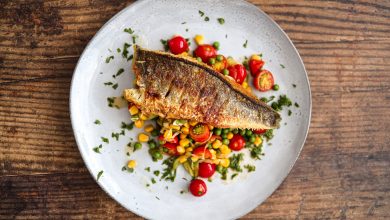
- Serve potatoes alongside lean protein, such as the dishes in our guide to preparing a tasty seafood dinner, plus a generous portion of vegetables.
If you are building an overall eating pattern around whole foods, potatoes pair naturally with the vegetables, legumes and oily fish covered in our article on foods that may help reduce inflammation.
This article is general information, not medical or dietary advice. If you have a health condition, talk to your doctor or a registered dietitian about what suits you.
Frequently asked questions
Are potatoes good for weight loss?
They can be. Plain boiled or baked potatoes are filling for their calories. Keeping portions reasonable and skipping heavy toppings or frying is what makes the difference.
Is it healthy to eat potatoes every day?
For most healthy people, a moderate portion of simply cooked potatoes each day can fit a balanced diet, especially alongside vegetables, protein and other whole grains.
Are potato skins nutritious?
Yes. The skin adds fiber and some minerals and plant compounds. Scrub potatoes well and cut away any green patches before cooking.
Do potatoes have more potassium than bananas?
Yes. A medium potato with skin has around 620 milligrams of potassium, compared with roughly 400 to 450 milligrams in a medium banana.
Are sweet potatoes healthier than white potatoes?
Not overall. Sweet potatoes have much more vitamin A, while white potatoes usually have more potassium and a little more protein. Both are nutritious choices.