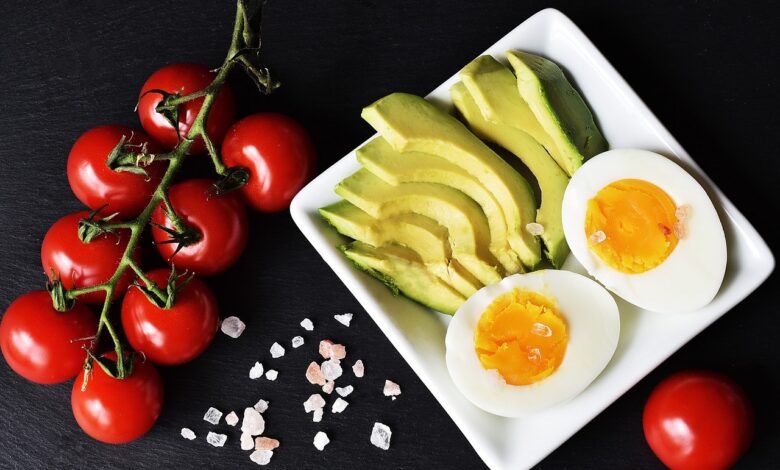
You can follow the keto diet inexpensively by building meals around low-cost whole foods (eggs, cheaper cuts of meat, canned fish, cabbage, frozen vegetables) and skipping branded “keto” snacks, which are usually the priciest part of the diet. Add bulk buying, batch cooking, store brands and digital coupons, and a low-carb eating plan can cost about the same as, or less than, a typical grocery budget. Here are seven practical ways to do it.
A quick refresher: what keto actually requires
A ketogenic diet is very low in carbohydrates, moderate in protein and high in fat. Many people following it aim for roughly 20 to 50 grams of net carbs a day, although targets vary. The goal is to shift the body toward burning fat and producing ketones for fuel. Nothing about that requires special products. The core foods are meat, fish, eggs, dairy, nuts, seeds, oils and non-starchy vegetables, most of which are sold at ordinary grocery stores.
1. Skip the packaged “keto” products
When a diet becomes popular, brands rush out labeled products: keto bars, shakes, fat bombs, breads and cookies. They are convenient, but they usually cost far more per serving than whole foods and often rely on sugar alcohols, fibers and additives that some people find hard to digest. A handful of almonds or a hard-boiled egg does the same job as a keto bar for a fraction of the price.
Keep packaged items as an occasional convenience, not the backbone of your plan. Reading nutrition labels also helps, since “keto-friendly” claims are marketing, not a regulated standard.
2. Plan and batch-cook your meals
Meal planning is the single biggest money saver on any diet. When you know what you will eat for the week, you buy only what you need, waste less and avoid expensive takeout on busy nights. A simple approach:
- Pick two or three proteins and three or four vegetables for the week.
- Cook proteins in bulk on the weekend: a tray of chicken thighs, a pot of chili without beans, a batch of egg muffins.
- Portion meals into containers so lunches are ready to grab.
- Repurpose leftovers, for example roast pork into lettuce wraps the next day.
If you would rather see how others structure it, guides on Low carb meal prep from providers such as Hummus Fit can give you ideas for portioning and weekly rotation, whether you cook everything yourself or buy some meals ready-made.
3. Shop smart: discount stores, store brands and coupons
Where you shop matters as much as what you buy. Discount grocers, warehouse clubs and store-brand products can cut the cost of staples like cheese, butter, eggs and frozen vegetables. Compare unit prices (price per ounce or pound) on the shelf tag rather than the package price.
Online shopping can save money too, particularly on shelf-stable items like nuts, seeds, oils and spices. Coupon and promo code sites such as Wadav list current discount codes and free shipping offers for food and drink retailers, which can help when you stock up. Also check your grocery store’s app for digital coupons and loyalty discounts.
4. Fill your plate with cheap non-starchy vegetables
Some people on keto cut vegetables almost entirely, which makes meals less filling and lower in fiber and micronutrients. Non-starchy vegetables are both low in net carbs and among the cheapest foods in the store. Budget-friendly picks include:
- Cabbage (green or red), one of the best values per pound
- Frozen broccoli, cauliflower and spinach
- Zucchini and cucumbers in season
- Lettuce and celery
Buy vegetables whole rather than pre-cut. Riced cauliflower and spiralized zucchini are convenient, but you pay for the prep. A box grater or knife does the same job. Starchy foods like potatoes, corn and most grains are too high in carbs for keto; if you want to understand why, our look at the nutritional value of potatoes breaks down their carb content.
5. Choose cheaper cuts of meat and canned fish
Protein is often the biggest line on a keto grocery bill, but a few swaps make a big difference:
| Instead of | Try | Why it helps |
|---|---|---|
| Ribeye steak | Chuck roast or ground beef | Usually much cheaper per pound, great for slow cooking |
| Boneless skinless chicken breast | Bone-in chicken thighs or whole chickens | Lower price and higher fat, which suits keto |
| Fresh salmon fillets | Canned salmon, sardines or tuna | Shelf-stable, inexpensive and rich in protein |
| Pre-marinated meats | Plain cuts with your own spices | You avoid paying for sauces that may contain sugar |
| Deli meats | Home-roasted pork shoulder, sliced | Cheaper per serving and fewer additives |
Buy family packs when they are on sale and freeze portions. Seafood can fit a budget too; our guide to preparing a tasty seafood dinner has ideas that are easy to adapt with low-carb sides.
6. Buy nuts, seeds and fats in bulk
Nuts, seeds, shredded unsweetened coconut, olive oil, coconut oil and butter are keto staples, and they are usually cheaper in larger quantities. Warehouse clubs and bulk bins are good places to look. A membership may pay for itself if you shop regularly, but compare prices first.
- Store nuts and seeds in the fridge or freezer to keep them from going rancid.
- Choose lower-carb nuts such as pecans, macadamias, walnuts and almonds, and watch portions, since calories add up fast.
- Buy butter on sale and freeze it; it keeps well for months.
Most beans and lentils are too high in carbs for strict keto, so they are not the budget protein they are on other diets. Small amounts of lower-carb options such as black soybeans may fit if you track your intake.
7. Make eggs your go-to budget food
Eggs are one of the best keto values. A large egg has roughly 6 grams of protein, about 5 grams of fat and less than 1 gram of carbs. Egg prices go up and down with supply, but even at their higher points they usually cost less per gram of protein than most meats. Ways to use them:
- Scrambled with spinach and cheese for breakfast
- Hard-boiled in batches for snacks
- Baked into egg muffins with leftover vegetables and meat
- As a frittata for an easy dinner
A sample budget keto day
- Breakfast: two or three scrambled eggs cooked in butter with frozen spinach
- Lunch: canned tuna mixed with mayonnaise and celery, served in lettuce cups
- Snack: a small handful of almonds or a cheese stick
- Dinner: roasted chicken thighs with sauteed cabbage in olive oil
Every item on that list is a basic grocery staple, and most can be bought in store brands.
Keep it healthy, not just cheap
A budget keto diet should still be balanced. Include a range of vegetables, favor unsaturated fats like olive oil, nuts and fish alongside butter and cheese, and drink plenty of water. Some people feel tired or get headaches in the first days of keto, and extra fluids and electrolytes may help. Our article on foods that may help reduce inflammation lists several items that also fit a low-carb plan.
Keto is not right for everyone. People with diabetes (especially those using insulin or certain medications), kidney or liver disease, a history of eating disorders, or who are pregnant or breastfeeding should talk to a doctor or registered dietitian before starting.
This article is general information, not medical or nutrition advice. Speak with a healthcare professional before making major changes to your diet.
Frequently asked questions
Is the keto diet expensive?
It does not have to be. Keto gets expensive when it relies on specialty products and premium meats. Built around eggs, cheaper cuts, canned fish and frozen vegetables, it can fit a normal grocery budget.
What are the cheapest keto foods?
Eggs, cabbage, frozen broccoli and cauliflower, chicken thighs, ground beef, canned tuna and sardines, butter and bulk nuts are among the most affordable keto staples.
Can I eat beans on keto?
Most beans are too high in carbs for a strict keto diet. Small portions of lower-carb options such as black soybeans may fit if you track your daily carbs.
Do I need keto supplements or special products?
No. Keto bars, shakes and exogenous ketones are optional. Whole foods provide what the diet needs, though some people use electrolytes during the first weeks.
How many carbs can I eat on keto?
Many people aim for about 20 to 50 grams of net carbs per day, but the right amount varies. A doctor or registered dietitian can help you set a target.