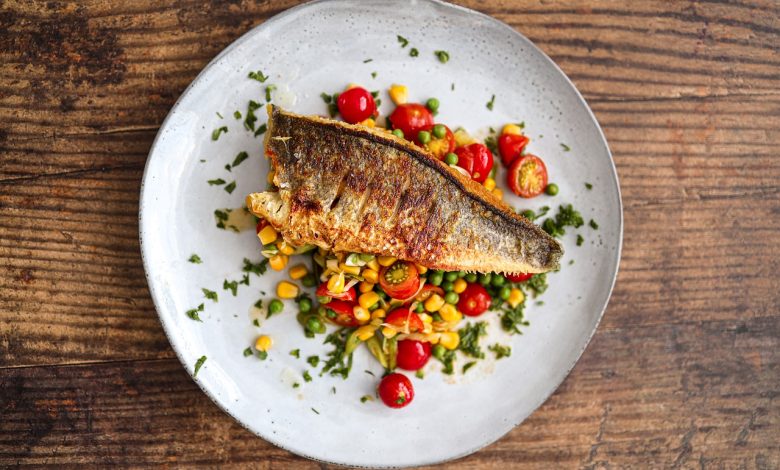
The six most reliable ways to prepare a tasty seafood dinner at home are baking, cooking in foil packets, poaching, broiling or pan-searing, steaming and grilling. Each suits different kinds of fish and shellfish, and all of them are quick once you know the timing. This guide covers how to pick good seafood, step-by-step instructions for each method, doneness temperatures and side dishes that round out the meal.
Start with good seafood
Technique matters, but the quality of the fish matters more. Fresh seafood should smell clean and briny, like the ocean, never sour or strongly “fishy.” Fillets should look moist and firm, whole fish should have clear eyes and bright red gills, and live clams and mussels should close when tapped.
Do not overlook frozen seafood. Fish that is flash-frozen soon after it is caught can be better than “fresh” fish that has spent days in transit. Many home cooks order vacuum-sealed, wild-caught fillets directly from specialist suppliers, such as an Alaska fish company, which can be a convenient way to get salmon, halibut or cod that tastes close to the day it was landed. Thaw frozen fish overnight in the refrigerator, or in its sealed bag under cold running water for faster results.
Which method suits which seafood
| Method | Best for | Typical time |
|---|---|---|
| Baking | Salmon, cod, halibut, trout fillets | 10 to 15 minutes |
| Foil packets | Delicate white fish, tilapia, sole, mixed seafood with vegetables | 12 to 20 minutes |
| Poaching | Salmon, cod, shrimp, scallops | 5 to 10 minutes |
| Broiling or searing | Salmon, tuna, swordfish, scallops | 4 to 10 minutes |
| Steaming | Mussels, clams, crab legs, whole small fish | 5 to 10 minutes |
| Grilling | Shrimp, salmon, swordfish, mahi-mahi, whole fish | 4 to 10 minutes |
Times depend on thickness, so treat them as a starting point. The US Food and Drug Administration recommends cooking fish to an internal temperature of 145°F, or until the flesh is opaque and separates easily with a fork. Shrimp and lobster should turn pearly and opaque, and clams, mussels and oysters are done when their shells open.
1. Bake it
Baking is the most forgiving method and a good place to start. It needs little fat, keeps fish moist and lets you prepare sides while the oven does the work.
- Heat the oven to 400°F and line a baking sheet with parchment.
- Pat fillets dry, brush with olive oil or melted butter, and season with salt, pepper and your choice of herbs (dill, parsley and lemon zest are classic).
- Bake about 4 to 6 minutes per half inch of thickness, checking early.
- Rest for two minutes, then finish with lemon juice.
Some dishes, such as salmon served medium or seared tuna, are intentionally cooked less. If you prefer that texture, buy high-quality fish from a trusted source and understand that undercooked seafood carries more risk, especially for pregnant people, young children and anyone with a weakened immune system.
2. Wrap it up in foil or parchment
Cooking fish in a sealed packet (called “en papillote” when parchment is used) traps steam, so the fish cooks gently in its own juices and whatever aromatics you add. Cleanup is almost nothing.
- Step 1: Heat the oven to 400°F. Tear off a large sheet of heavy-duty foil or parchment and lightly oil the center.
- Step 2: Add a bed of thinly sliced vegetables (zucchini, bell pepper, cherry tomatoes or fennel), then the fish. Season and top with herbs, garlic, citrus slices and a splash of white wine or broth.
- Step 3: Fold the edges together and crimp tightly so no steam escapes.
- Step 4: Bake roughly 10 minutes per inch of thickness, usually 12 to 20 minutes. Open carefully, as the steam is hot.
Packets also work on a grill, which makes them handy for camping or summer cookouts.
3. Poach it
Poaching cooks seafood gently in barely simmering liquid, producing a silky, tender texture with no added fat. It is excellent for salmon you plan to serve chilled, and for shrimp destined for salads or shrimp cocktail.
- Build a flavorful liquid: water or stock with white wine, lemon, bay leaf, peppercorns, onion and herbs (a classic court bouillon).
- Bring it to a simmer, then lower the heat until only a few bubbles rise.
- Add the seafood so it is fully submerged.
- Cook until just done: about 2 to 3 minutes for shrimp and scallops, 8 to 10 minutes for a salmon fillet.
The key is gentle heat. A rolling boil toughens proteins and breaks delicate fish apart.
4. Broil it or pan-sear it
High heat gives seafood a browned, flavorful surface while the inside stays moist. Broiling is hands-off; pan-searing gives more control and a crisper crust.
Broiling
Place the oven rack so the fish sits about 4 to 6 inches from the heating element. Brush fillets with oil or a glaze (miso, honey-soy or garlic butter all work), then broil for roughly 5 to 10 minutes depending on thickness. Stay close, because sugary glazes can go from caramelized to burnt quickly.
Pan-searing
Dry the fish thoroughly, since moisture prevents browning. Heat a heavy skillet over medium-high heat with a thin layer of neutral oil until it shimmers. Lay the fish in skin side down (if it has skin), press gently for a few seconds, and leave it alone until it releases easily, usually 3 to 4 minutes. Flip, add a knob of butter, garlic and thyme, and baste for another minute or two. Scallops need even less: about 90 seconds per side in a very hot pan.
5. Steam it
Steaming is fast, healthy and ideal for shellfish. For a classic pot of mussels or clams:
- Scrub the shells and pull off any beards from mussels. Discard any that are cracked or stay open when tapped.
- Soften shallots and garlic in butter in a wide pot, then add about a cup of white wine or broth.
- Add the shellfish, cover tightly, and cook over high heat for 5 to 8 minutes, shaking the pot once or twice.
- Discard any that did not open. Finish with parsley and serve with crusty bread for the broth.
Whole small fish and fillets also steam beautifully over ginger and scallions, a technique common in Chinese cooking. A bamboo steamer or a metal rack in a covered pan both work.
6. Grill it
Grilling adds smoky flavor and char, and shrimp skewers are one of the easiest places to start. Soak wooden skewers in water for at least 30 minutes so they do not burn, or use metal skewers.
Simple garlic and thyme grilled shrimp
- 1 pound large shrimp, peeled and deveined
- 2 tablespoons extra virgin olive oil
- 2 cloves garlic, finely chopped
- 1 teaspoon fresh thyme leaves
- 2 tablespoons dry white wine or lemon juice
- Salt and black pepper
Mix the marinade, toss the shrimp and refrigerate for 15 to 30 minutes (acidic marinades can start to “cook” shrimp if left too long). Heat the grill to medium-high, oil the grates, and cook the skewers about 2 minutes per side until pink and opaque. For firm fish such as salmon or swordfish, clean and oil the grates well, grill without moving for the first few minutes, and flip only once.
Prep tip: the marinade can be mixed a day ahead and kept in the fridge, so dinner comes together in minutes after work.
Side dishes that complete a seafood dinner
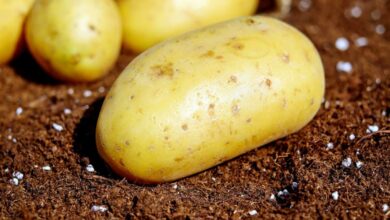
- Roasted or boiled potatoes with herbs and butter; this look at the nutritional value of potatoes explains why they earn a place on the plate.
- Grains such as rice pilaf, quinoa or farro.
- Green vegetables like asparagus, green beans or a crisp salad with a lemony dressing.
- Sauces such as tartar, salsa verde, lemon butter or yogurt with dill.
Fatty fish like salmon, sardines and mackerel are rich in omega-3 fatty acids, which is one reason seafood features in many eating patterns aimed at heart health. If you are building meals around that goal, see this guide to foods that may help reduce inflammation.
Common seafood cooking mistakes
- Overcooking: seafood keeps cooking after it leaves the heat, so pull it just as it turns opaque.
- Wet fish in a hot pan: it steams instead of browning. Pat it dry first.
- Moving it too soon: fish sticks until a crust forms, then releases on its own.
- Crowding the pan: cook in batches so the temperature stays high.
- Leaving seafood out: keep raw seafood refrigerated and cook it within a day or two of buying or thawing.
Frequently asked questions
What temperature should fish be cooked to?
The FDA recommends 145°F, or until the flesh is opaque and flakes easily with a fork.
What is the easiest way to cook fish for beginners?
Baking or foil packets are the most forgiving. Both keep fish moist and need little attention while cooking.
Is frozen fish as good as fresh?
Often, yes. Fish frozen quickly after catch can taste as good as or better than fresh fish that has traveled for days. Thaw it in the refrigerator.
How do I stop fish sticking to the grill or pan?
Start with a clean, very hot, well-oiled surface, dry the fish, and do not move it until it releases on its own.
How can I tell if mussels and clams are safe to eat?
Before cooking, discard any with cracked shells or that stay open when tapped. After cooking, discard any that did not open.