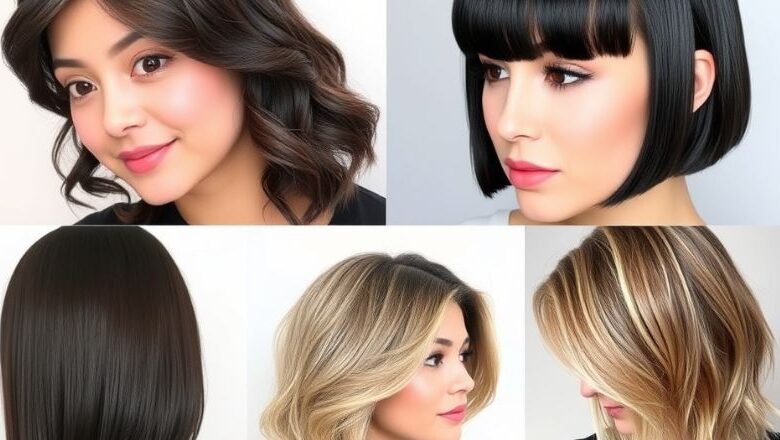
The best short hairstyles for fine hair keep a strong, blunt perimeter and use only light, strategic layering: think the chin-length bob, the blunt bob, the lob, the layered bob, the textured pixie and the soft shag. Fine strands look fuller when the ends stay thick and the weight sits where it supports lift, so the cut does more for volume than any product.
This guide walks through eight short cuts that work on fine hair, who each one suits, typical US salon prices, how to match a cut to your face shape, a ten-minute volume routine, and the exact words to use in the salon chair so you leave with the haircut you pictured.
Fine Hair vs Thin Hair: Why the Difference Changes Your Cut
Stylists use “fine” to describe the diameter of each strand and “thin” or “low density” to describe how many strands you have. You can have fine hair with plenty of density, or fine hair that is also sparse. Knowing which one you have changes the advice:
- Fine but dense hair can handle more layering and texture, because there is enough hair to hide the layers and keep the ends looking full.
- Fine and low-density hair usually looks best with blunt lines and minimal layers, since heavy layering removes the bulk that creates the illusion of thickness.
A quick home test: pull all your hair into a ponytail. If it measures less than about the width of a quarter or a nickel around, your density is on the lower side. Tell your stylist this, along with your face shape, your natural texture (straight, wavy or curly) and how many minutes you are realistically willing to spend styling each morning.
Short Haircuts for Fine Hair at a Glance
| Cut | Best for | Daily styling time | Trim every | Typical US salon price |
|---|---|---|---|---|
| Classic bob | Straight or slightly wavy fine hair, most face shapes | 5 to 10 minutes | 6 to 8 weeks | About $45 to $110 |
| Blunt bob | Very fine, low-density hair | 5 minutes | 6 to 8 weeks | About $45 to $110 |
| Lob (long bob) | Anyone nervous about going very short | 10 minutes | 8 to 10 weeks | About $55 to $120 |
| Layered bob | Fine hair with medium density or natural wave | 10 minutes | 6 to 8 weeks | About $55 to $120 |
| Pixie cut | Oval or heart faces, low-maintenance lovers | 5 minutes | 4 to 6 weeks | About $50 to $130 |
| Textured crop | Very fine hair that goes flat quickly | 5 minutes | 4 to 6 weeks | About $50 to $120 |
| Soft shag | Wavy or curly fine hair | 10 minutes | 8 weeks | About $65 to $140 |
Prices vary widely by city and stylist level. A senior stylist in a major metro area can charge well above these ranges, while a neighborhood salon in a smaller town may charge less. Ask whether the quote includes a wash and blow-dry, and whether bang trims between appointments are free; many salons offer them at no charge.
8 Best Short Hairstyles for Fine Hair
1. The Classic Chin-Length Bob
A bob that ends between the chin and the jaw is the most dependable short cut for fine hair. Because every strand finishes at roughly the same length, the bottom edge looks dense and deliberate. Ask for a slightly longer front or a touch of graduation at the back if you want lift at the crown without adding layers. It works tucked behind the ears for the office and flipped to a deep side part for evenings.
2. The Blunt Bob
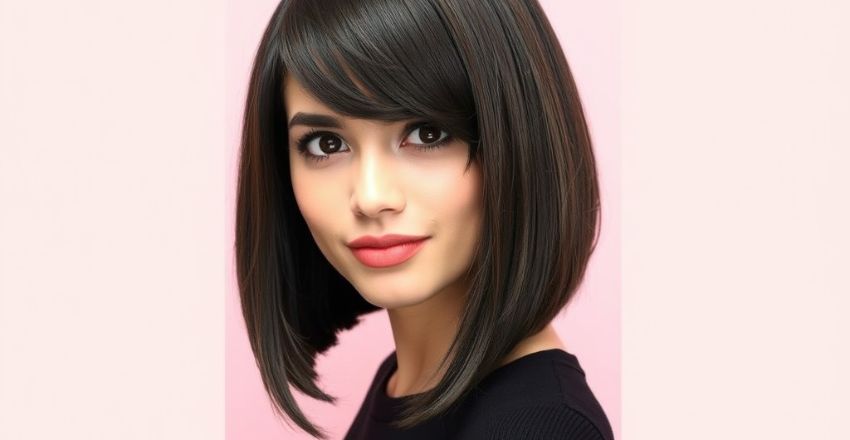
If your hair is both fine and sparse, go blunt. The stylist cuts a clean, straight line with no thinning shears or razor on the ends. This is one of the most effective ways to make hair look thicker, and it grows out gracefully into a lob, so you are not stuck with an awkward phase. Pair it with a deep side part for extra height at the root.
3. The Lob
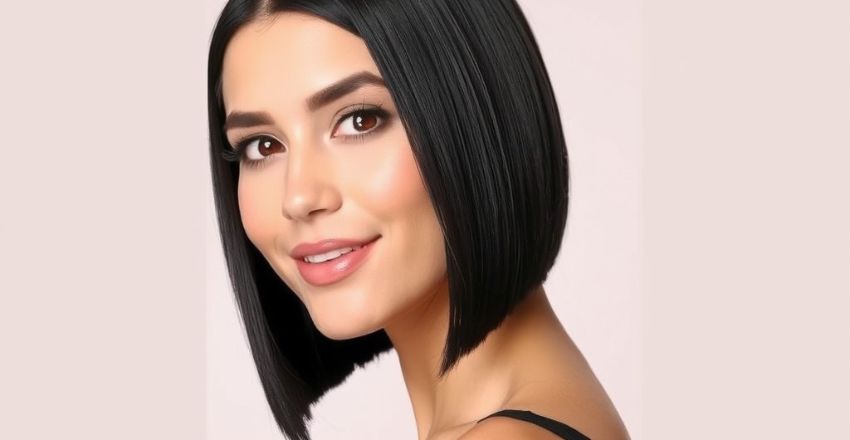
A lob sits between the jaw and the collarbone. It is the safest choice if you are moving from long hair, because you can still pull it into a small ponytail for the gym. On fine hair, keep the lob at or above the collarbone; once it passes the shoulders, the ends tend to flip outward and look thin.

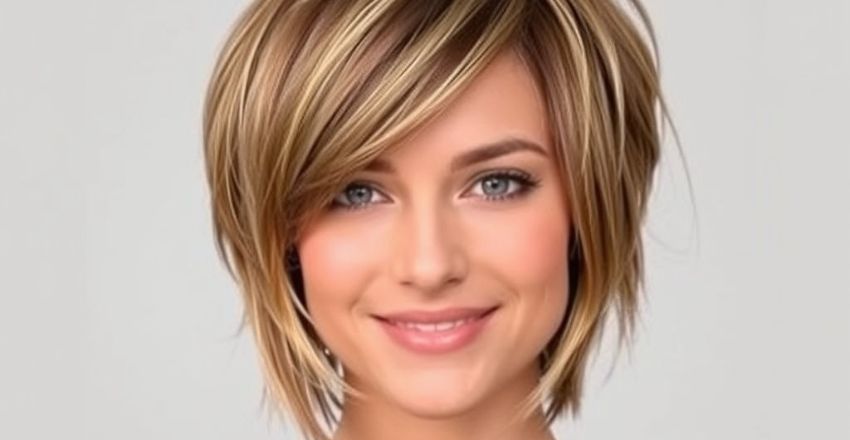
4. The Layered Bob
Layers can help fine hair, but only when they are long and internal. Ask for a few face-framing pieces and soft layers through the crown while keeping the perimeter solid. This adds movement and bounce without leaving the ends wispy. It looks especially good on hair with a natural bend, which the layers release instead of weighing down.
5. The Pixie Cut
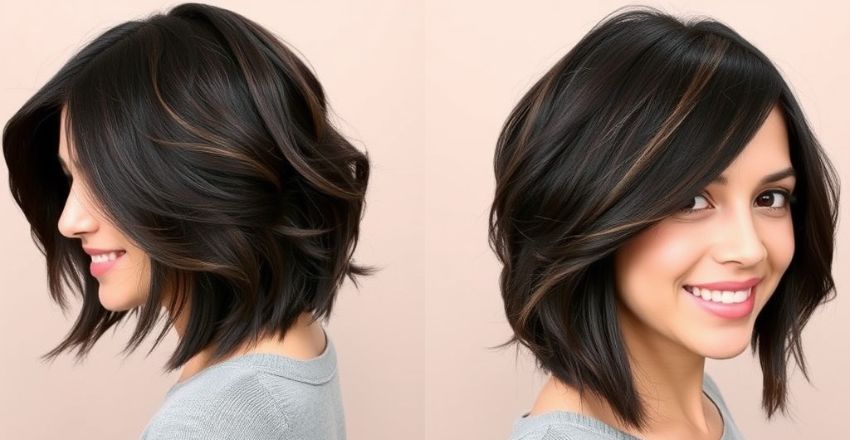
A pixie can look fuller than longer styles because short hair is lighter and lifts at the root more easily. A longer pixie with a side-swept fringe is softer and more forgiving than a very cropped version, and it gives you options: smooth and sleek, or tousled with a little paste. The trade-off is maintenance, with trims every four to six weeks to hold the shape.
6. The Textured Crop
A textured crop is short all over with point-cut ends that create a slightly piecey finish. Rub a small amount of texture paste between your fingertips and push it up through the top for instant volume. This cut suits anyone whose fine hair goes flat by lunchtime no matter what they try, because there is simply not enough length for gravity to pull it down.
7. The Soft Shag
The modern shag, with curtain bangs and choppy layers, can suit fine hair if it has natural wave or curl. Ask for a “soft” or “micro” shag that keeps more weight at the bottom. On straight, very fine hair a full shag can look stringy, so a layered bob is often the better route to the same relaxed look.
8. Short Hair With Side-Swept or Curtain Bangs
Bangs borrow hair from the front of the head, which can make the rest look sparser if they are cut too heavy. Light side-swept or curtain bangs suit fine hair better than a thick, straight-across fringe. They also soften a high forehead, draw attention to your eyes and can be pinned back on days you want a change.
How to Choose the Right Short Cut
Use these questions to narrow the list before you book:
- How much time will you spend styling? Under five minutes points to a blunt bob, pixie or textured crop. Ten minutes opens up layered bobs, lobs and shags.
- How often can you get to the salon? If every six to eight weeks is your limit, a bob or lob is more forgiving than a pixie.
- What is your natural texture? Straight fine hair loves blunt lines; wavy fine hair can carry soft layers and a shag.
- Do you want to tie it back? Choose a lob or a longer bob if a ponytail matters for workouts or work.
- How confident are you about going short? Start with a lob, then go shorter at the next appointment if you love it.
Matching a Short Cut to Your Face Shape
| Face shape | Cuts that flatter | What to avoid |
|---|---|---|
| Round | Lob, asymmetric bob below the chin, longer pixie with crown height | A rounded bob ending at the cheeks |
| Square | Layered bob with soft face-framing pieces, side-swept bangs | A blunt line ending exactly at the jaw |
| Oval | Almost anything, including very short pixies | Very little; choose by texture and lifestyle |
| Heart | Chin-length bob that adds width at the jaw | Heavy volume at the temples |
| Long | Bob ending at the cheekbone or chin, with bangs | Long, sleek lobs with no width |
How to Style Short Fine Hair for Volume
A simple routine beats a crowded bathroom shelf. Follow this order:
- Wash with a lightweight shampoo labeled volumizing, and apply conditioner only to the mid-lengths and ends.
- Apply a root-lift spray or light mousse to damp roots. A golf-ball amount of mousse is usually plenty for a bob.
- Rough-dry upside down or against the direction of growth until your hair is about 80 percent dry.
- Finish with a round brush at the crown, or use a hot-air brush for speed. Our guide to the best hair dryer brush compares tools that add lift with little effort.
- Add texture last: a mist of dry texture spray or a pea-size amount of paste on the ends. Keep oils and serums away from the roots.
Switching your part is a free volume trick. Hair that has lain one way for years will stand up at the root for a day or two when flipped to the other side. Dry shampoo applied the night before, rather than in the morning, also gives second-day hair more grip and height.
Mistakes That Make Fine Hair Look Thinner
- Too many short layers, which leave the ends see-through.
- Thinning shears or razor cutting on already fine ends.
- Heavy products such as thick creams, oils and silicone serums applied near the scalp.
- Waiting too long between trims, so split ends travel up and the shape collapses.
- Flat-ironing every day at high heat, which leaves hair limp and fragile.
- Copying celebrity photos without realizing many of those looks rely on extensions or hair pieces.
Keeping Fine Hair Healthy Between Cuts
Short cuts show damage quickly, so a little care goes a long way. Use a heat protectant before blow-drying, keep hot tools on a moderate setting, and sleep on a silk or satin pillowcase to reduce friction. Color can actually help fine hair, because many dyes slightly swell the hair shaft and give it more grip. If you want a gentler way to cover gray, see our look at herbal color for gray hair.
Fine hair is not the same as hair loss. If you notice sudden shedding, a widening part or bald patches, see a doctor or board-certified dermatologist, who can check for causes such as thyroid problems, iron deficiency or hormonal changes. Our article on PRP treatment for hair loss explains one of the options a specialist may discuss.
What to Say at the Salon
Bring two or three photos of cuts on people whose hair looks like yours, not only on celebrities. Then use clear phrases such as “keep the perimeter blunt,” “long internal layers only,” “no thinning shears” and “I want to style it in under ten minutes.” Ask the stylist to show you how they blow-dry it, and to tell you honestly if a look will not work with your density. A good stylist would rather adjust the plan than send you home unhappy.
Bottom Line
If you have fine hair and want to go short, start with a blunt or classic bob: it is the cut most likely to make your hair look thicker straight away. Choose a lob if you are nervous about length, a pixie or textured crop if you want the least styling, and soft layers or a shag only if your hair has natural movement. Book trims on schedule and keep products light at the roots.
Frequently Asked Questions
What is the best short haircut for fine, thin hair?
A blunt, chin-length bob is usually the most flattering choice because the solid edge makes hair look thicker. A lob works well if you want to keep a little more length.
Do layers help fine hair?
Long, soft layers can add movement, especially on wavy hair. Many short, choppy layers usually make fine hair look sparse, so keep the perimeter solid.
Is a pixie cut good for fine hair?
Yes. Short hair is lighter and lifts at the root more easily, so a pixie can look fuller than longer styles. It does need a trim about every four to six weeks.
How often should I trim short fine hair?
Most bobs look best with a trim every six to eight weeks, while pixies and crops need attention every four to six weeks to keep their shape.
What products add volume to fine hair?
Lightweight volumizing shampoo, root-lift spray or mousse, and a dry texture spray usually work best. Avoid heavy oils and creams near the scalp.
Are bangs a good idea with fine hair?
Light side-swept or curtain bangs usually work well and soften the face. Heavy, blunt bangs take a lot of hair from the front and can make the rest look thinner.