
After a flood, storm or other natural disaster, a public adjuster manages your insurance claim on your behalf: documenting the damage, reading the policy, pricing repairs and negotiating with the insurer. They cannot stop a disaster from costing money, but they can reduce what you lose by making sure covered damage is claimed properly and by taking the paperwork off your hands. In return they charge a percentage of the settlement. Here is how the process works, when hiring one makes sense, and what Illinois property owners in particular should know.
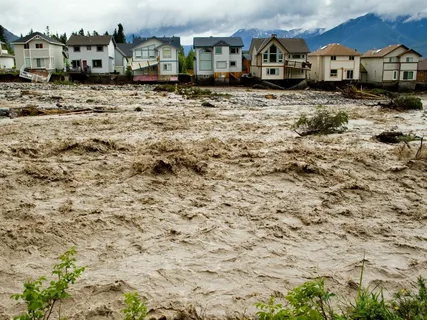
Three kinds of adjusters, and who they work for
The word “adjuster” causes a lot of confusion. After a disaster you may deal with more than one, and it matters who each represents:
| Type | Hired and paid by | Role |
|---|---|---|
| Staff (company) adjuster | Your insurance company | Assesses the claim and recommends what the insurer should pay |
| Independent adjuster | Your insurance company, on contract | Handles claims for insurers, often brought in after large catastrophes |
| Public adjuster | You, the policyholder | Prepares and negotiates the claim on your behalf |
Company and independent adjusters are often professional and fair, but their client is the insurer. A public adjuster is the only one whose job is to represent your interests in the claim. In Illinois, public adjusters must be licensed by the Illinois Department of Insurance, and an Insurance adjuster in illinois working for policyholders should be able to show you that license on request.
How public adjusters manage disaster claims
1. Reviewing the policy
Coverage details decide a claim before anyone looks at the damage. A public adjuster checks what is covered, the deductibles, limits, exclusions, and whether you have replacement cost or actual cash value coverage. They also look for coverages people forget, such as additional living expenses if you cannot stay in your home, debris removal, code upgrade coverage, and business interruption for commercial properties.
2. Documenting the damage
This is where most of the value lies. The adjuster inspects the property, photographs and measures every affected area, and often uses moisture meters to find water hidden in walls and floors. Damage that is missed at this stage, such as wet insulation, subfloor damage or ductwork contamination, may never be paid for.
3. Estimating repair and replacement costs
Public adjusters typically prepare a detailed line-item estimate using the same estimating software that insurers use. Contents claims are inventoried item by item, with ages and replacement values.
4. Filing and meeting deadlines
Policies set deadlines for notice, proof of loss and supporting documents. Missing them can reduce or jeopardize a claim. The adjuster tracks these and submits the paperwork.
5. Negotiating the settlement
If the insurer’s offer is lower than the documented loss, the public adjuster negotiates, provides further evidence, and can advise on the policy’s appraisal clause if the dispute is about the amount of loss. Disputes about coverage itself, or allegations of bad faith, are matters for an attorney.
Flood claims are different
Standard homeowners and many commercial property policies do not cover flood damage from rising surface water. Flood coverage usually comes through the National Flood Insurance Program (NFIP), managed by FEMA, or from private flood insurers. A few points to know:
- New NFIP policies generally have a 30-day waiting period before coverage starts, so buying during an approaching storm usually does not help.
- NFIP policies have strict rules on what is covered in basements, which often limits payouts for finished basements and their contents.
- NFIP claims require a signed proof of loss within a set period, typically 60 days after the loss unless FEMA extends it.
- Water backing up through drains or sewers is a separate peril that often needs its own endorsement on a homeowners policy.
In Illinois, river flooding along the Mississippi, Illinois and other rivers, flash flooding from heavy storms, and basement water in the Chicago area are all common sources of claims. Tornadoes, severe thunderstorms, hail and winter storms add to the mix.
What to do in the first 72 hours after a disaster
How you act in the first few days affects both the damage and the claim. Safety comes first: do not enter a flooded building until authorities say it is safe, and avoid floodwater, which can be contaminated or electrically charged.
- Report the claim to your insurer as soon as you can and note the claim number.
- Photograph and video everything before cleanup, including water lines on walls, damaged items and the outside of the property.
- Prevent further damage. Most policies require reasonable steps such as tarping roofs, stopping leaks and extracting water. Keep receipts.
- Start drying quickly. Mold can begin to grow within a day or two in wet materials. Our guide on why to act fast with professional water mitigation explains why speed matters.
- Keep damaged items where it is safe to do so, or photograph them and keep samples, until the adjuster has seen them.
- Track every expense, including hotel stays, meals and equipment rental.
Once water is out, testing for hidden moisture and mold protects your health and the claim. See our guides to free mold testing and water damage restoration for what the process involves.
Why disaster claims often come in low
After a major storm or flood, insurers may be handling thousands of claims at once, and adjusters brought in from other regions may spend only a short time at each property. That pressure explains many underpaid claims more often than bad intent does. Common gaps include:
- Hidden damage left out: water that wicked up drywall, soaked insulation or seeped under flooring is easy to miss on a quick visit.
- Repair scope too narrow: an estimate that patches one section when matching materials are no longer available, or that ignores code upgrades required for permits.
- Pricing below local costs: after regional disasters, labor and material prices can rise quickly, and estimates may lag behind.
- Contents undervalued: incomplete inventories and heavy depreciation reduce what you receive for furniture, electronics and personal items.
- Overlooked coverages: living expenses, debris removal, or lost business income that nobody claimed.
You can challenge each of these yourself with contractor estimates and good documentation. A public adjuster’s advantage is experience: they know where claims typically fall short and how to present evidence in a form the insurer will accept.
How public adjusters are paid
Most public adjusters work on contingency, taking a percentage of the claim settlement. Fees commonly fall somewhere around 5 to 15 percent, and several states, including Illinois, limit how much public adjusters may charge and set rules for their contracts. Before you sign:
- Confirm the license with the Illinois Department of Insurance.
- Read the fee percentage and whether it applies to amounts the insurer had already offered.
- Check the cancellation rights in the contract.
- Ask for references from recent clients with similar claims.
- Be wary of anyone going door to door right after a disaster pressing you to sign on the spot.
When hiring a public adjuster makes sense
A public adjuster tends to add the most value on large or complex claims: major structural damage, business interruption, total losses, claims with many contents items, or situations where the insurer’s first offer seems clearly short. For a small, straightforward claim, such as a single damaged fence, the fee may outweigh the benefit, and you can often handle it yourself. If you are unsure, some public adjusters will review your situation or an initial offer without obligation.
This article is general information, not legal or financial advice. Policy terms and state rules vary, so review your own policy and consider professional advice for your situation.
Frequently asked questions
What is the difference between a public adjuster and an insurance adjuster?
An insurance company adjuster works for the insurer. A public adjuster is licensed to represent the policyholder and is paid by you, usually as a percentage of the settlement.
Does homeowners insurance cover flood damage?
Standard homeowners policies generally exclude flood from rising water. Flood coverage usually comes from the National Flood Insurance Program or a private flood policy.
How much does a public adjuster cost in Illinois?
Public adjusters usually charge a percentage of the settlement. Illinois limits these fees, so check the contract and confirm the current rules with the Illinois Department of Insurance.
Can I hire a public adjuster after I have filed a claim?
Yes. Many people hire one after filing, or after receiving an offer they think is too low, as long as the claim is still open.
Should I start cleanup before the adjuster visits?
Yes, take reasonable steps to prevent further damage, but document everything with photos and video first and keep receipts for any mitigation work.