To plan an end-of-the-year sports banquet, set a date and budget six to eight weeks out, book an affordable venue, keep the food simple, and build the evening around recognizing every player by name, thanking coaches and volunteers, and giving the team a chance to share memories. A tight program of about 90 minutes to two hours, a highlight slideshow and a few well-chosen awards will do more than an expensive venue ever could.
Whether you are a coach, team parent or booster club volunteer, the tips below cover the planning timeline, budget, food, awards, speeches, entertainment and a sample run of show you can adapt for youth, high school or club teams.
Start with a planning timeline
| When | Tasks |
|---|---|
| 6 to 8 weeks before | Set budget, pick a date that avoids exams and other seasons, book venue, form a small committee |
| 4 to 5 weeks before | Send invitations with RSVP deadline, order trophies or plaques, ask local businesses about food donations or discounts |
| 3 weeks before | Collect photos and video clips, confirm award categories with coaches, finalize menu |
| 1 to 2 weeks before | Confirm headcount, print programs and certificates, test slideshow on the venue’s equipment |
| Day of | Set up tables, award table, photo area and sound; run a quick tech check |
Set a realistic budget
Most team banquets are paid for through a mix of booster funds, a per-family ticket and local sponsorships. Decide early whether players attend free and families pay, or whether each attendee buys a ticket. Keep the ticket price low enough that no player is left out, and quietly offer help to families who need it.
- Biggest costs: food, venue rental and awards.
- Smaller costs: decorations, printing, paper goods and a cake.
- Ways to save: use the school cafeteria, gym or a community center, ask a parent to handle the slideshow, and reuse table decorations from year to year.
Choose the right venue
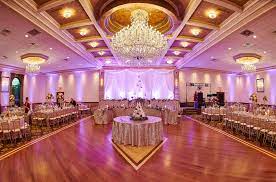
The best venue is one that fits your headcount, has tables and chairs, a projector or screen, a microphone and nearby parking. School cafeterias, church halls, community centers and restaurant banquet rooms are common choices. Some sports facilities rent out event rooms too, which gives the night a fitting backdrop; facilities that want to grow this kind of business often follow ideas like those in this piece on bringing more clients to a sports complex, so it is worth asking what they offer. Visit in person, check what is included in the price, and confirm setup and cleanup times.
Plan food and drink carefully
Sharing a meal is part of what makes a banquet feel like a celebration, but it does not have to be formal. Match the menu to your budget and your crowd.
- Potluck: cheapest option. Assign categories by last name so you do not end up with twelve desserts.
- Pizza or sandwich trays: easy, kid-friendly and often discounted for teams.
- Catered buffet: pasta, tacos or barbecue feed a crowd well for the price.
- Dessert-only event: a short awards night with a team cake works well for young children.
Ask on the RSVP about food allergies and dietary needs, label dishes, and keep water and non-alcoholic drinks easy to reach. Local pizzerias, bakeries and caterers sometimes donate or discount food for youth teams in exchange for a thank-you in the program, so it is worth asking politely and well ahead of time.
Recognize each player individually
This is the heart of the night. Every player should hear their name and something specific about their season. For large rosters, have each coach speak for 20 to 30 seconds per player rather than giving long speeches about a few.
Award ideas
- Traditional: MVP, Most Improved, Offensive and Defensive Player, Coach’s Award, Sportsmanship.
- Character-based: Hardest Worker, Best Teammate, Leadership, Never Missed a Practice.
- Fun awards: Loudest Bench Cheer, Best Pregame Playlist, Most Likely to Forget Their Water Bottle. Keep humor kind and run ideas past a coach first.
A physical keepsake means more than a printed certificate. Participation medals, engraved plaques, custom trophies with the team logo, framed team photos or a signed ball are all options. Order engraved items at least three to four weeks in advance and double-check the spelling of every name.
Thank coaches, volunteers and families
Coaches, especially volunteers, give an enormous amount of time. Ask a team captain or booster club president to thank them in a short speech and present a small gift, such as a gift card, framed team photo signed by the players or a ball signed by the team. Also recognize the team manager, scorekeepers, drivers, concession volunteers and anyone who washed uniforms all season. A short list read aloud with a round of applause goes a long way.
Give players a voice
Invite captains or seniors to share a favorite memory or a few words about what the team meant to them. Keep each speech to two or three minutes and ask speakers to prepare notes. For graduating seniors, consider a short senior tribute with a photo from their first season and their plans for next year. It is often the most emotional and memorable part of the evening.
Entertainment ideas that fit any budget
- Season slideshow: collect photos from parents through a shared album, include every player at least a few times, and keep it to roughly 5 to 8 minutes with licensed or royalty-free music.
- Photo area: a team banner backdrop and a few props give families a reason to take pictures.
- Team trivia: questions about the season, coaches and inside jokes get everyone involved.
- Guest speaker: a former player, local coach or college athlete can offer a short, inspiring message.
- Memory wall: a poster where guests write notes to the team or seniors.
Sample run of show
| Time | Segment |
|---|---|
| 6:00 pm | Arrival, slideshow on loop, photo area open |
| 6:15 pm | Welcome from booster president or head coach |
| 6:20 pm | Dinner |
| 6:55 pm | Coach remarks and individual player recognition |
| 7:30 pm | Special awards |
| 7:45 pm | Senior tributes and player speeches |
| 8:00 pm | Thank-yous to coaches and volunteers, closing slideshow |
| 8:10 pm | Cake, team photo, cleanup |
Adapting the banquet to your team’s age group
Young children (roughly ages 5 to 10)
Keep it short, casual and active. A park pavilion or gym with pizza, a quick medal ceremony where every child walks up to receive the same keepsake, and a few games work better than a sit-down dinner. Skip individual MVP-style awards at this age and focus on effort and fun.
Middle and high school teams
Teenagers appreciate a slightly more grown-up event: a sit-down or buffet dinner, player-led speeches, senior tributes and a mix of serious and lighthearted awards. Let captains help plan, since they know what their teammates will enjoy. Check school rules on venues, fundraising and chaperones before booking.
Adult and club teams
Adult leagues often prefer a restaurant or brewery back room where everyone pays their own way, with a short awards segment, a toast to the organizers and plenty of time to socialize.
Small details that make a big difference
- Print a simple program listing the roster, coaches, sponsors and award winners.
- Set a relaxed dress code in the invitation. For older teams, smart casual or semi-formal works well; this guide to formal outfits for a gathering has ideas if you choose a dressier event.
- Decorate in team colors with balloons, tablecloths and a few jerseys or equipment as centerpieces.
- Assign one person to keep the program on time.
- Take a full team photo before anyone leaves.
- Send thank-you notes to sponsors and the venue afterward, which makes next year easier.
For more team and athlete ideas, browse our sports section.
Frequently asked questions
How long should a sports banquet last?
About 90 minutes to two hours works for most teams. Younger children do best with shorter events of an hour or so.
How far in advance should I plan an end-of-season banquet?
Start six to eight weeks ahead. That gives time to book a venue, order engraved awards and collect photos for a slideshow.
Should every player get an award?
Every player should be recognized by name with something specific about their season. Many teams also give each player a keepsake, then add a few special awards on top.
How can we keep banquet costs low?
Use a free school or community space, choose a potluck or pizza, ask local businesses for donations, and have parent volunteers handle decorations and the slideshow.
Who should speak at a sports banquet?
Typically the head coach, assistant coaches for player recognition, a booster or parent representative to thank coaches, and captains or seniors to share memories. Keep each speech short.