The fastest ways to bring more clients to a sports complex are to fill your quiet hours with programs people actually want, make booking effortless online, and turn every visitor into a source of referrals. Facilities that grow steadily usually combine a varied schedule, well-kept amenities, local marketing, regular events and service that makes people feel known by name. Below are seven practical strategies, with specific ideas you can put in place this season.
Start by knowing who you serve
Before adding programs or buying ads, look at your booking data. Which courts, fields or classes sell out, and which sit empty? Who books: youth leagues, adult rec teams, corporate groups, families, seniors? Most complexes have a few busy windows (weekday evenings, weekend mornings) and long stretches of dead time. Every strategy below works better when it targets a specific group for a specific time slot, such as seniors for weekday late mornings or homeschool groups for early afternoons.
1. Offer diverse programs for different ages and levels
A broad schedule gives more people a reason to walk through the door and gives existing clients reasons to come more often. Aim for a mix of competitive, recreational and fitness offerings:
- Youth: skills clinics, after-school programs, holiday and summer camps, and league play.
- Adults: rec leagues (pickleball, volleyball, futsal, basketball), drop-in sessions and beginner courses.
- Fitness: yoga, Pilates, HIIT and strength-based classes such as CrossFit style workouts (running an official CrossFit-branded program requires an affiliate license, so check before using the name).
- Older adults: low-impact classes, walking clubs and social pickleball in off-peak hours.
- Adaptive sports: sessions designed for athletes with disabilities, often run with local nonprofits.
Pilot new programs as six- or eight-week sessions. If a session fills, add another; if it struggles, adjust the time or format before dropping it.
2. Upgrade the amenities clients notice most
You do not need a spa to compete. Clients judge a facility on a handful of basics: clean restrooms and locker rooms, good lighting, safe and well-maintained playing surfaces, reliable Wi-Fi, comfortable spectator seating and easy parking. Parents in particular notice whether there is a place to sit, charge a phone and buy a drink while their kids practice.
- Switching court and field lighting to LED improves visibility for evening play and can lower energy bills over time.
- A small cafe, vending area or partnership with a food truck keeps families on site longer.
- Recovery options such as a stretching zone, foam rollers or massage chairs add perceived value at low cost.
- Clear signage and a tidy entrance make a strong first impression for new visitors.
3. Market locally and consistently
Most sports complex clients live or work within a short drive, so local marketing usually beats broad campaigns. Focus on channels that reach nearby families, teams and employers:
- Google Business Profile: keep hours, photos and programs current, and reply to every review.
- Social media: short videos of games, drills and happy participants perform well; tag teams and players so posts spread.
- Email and SMS: send session launch dates, early-bird pricing and open-court alerts to past clients.
- Targeted ads: small geo-targeted campaigns aimed at parents or adults in your area before each season.
- Local partnerships: schools, youth clubs, physical therapy clinics and businesses that want team-building events.
For practical ways to lift engagement on your social channels, see our guide to simple ways to increase Instagram engagement.
4. Host events and tournaments
Events bring in people who would never find you otherwise: visiting teams, their families and spectators. A single weekend tournament can put hundreds of new faces in your building. Mix competitive and social formats:
- Weekend tournaments for youth clubs and adult leagues.
- Charity fundraisers, such as a three-on-three basketball or pickleball event for a local cause.
- Open houses with free trial sessions and coach meet-and-greets.
- Corporate leagues and team-building days.
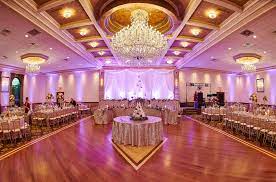
- Season-end celebrations; our guide to planning an end-of-the-year sports banquet has ideas you can adapt.
Collect contact details at every event (with permission) and follow up within a week with an offer to return.
5. Make customer service your advantage
Clients stay where they feel welcome. Train front-desk staff and coaches to greet regulars by name, learn their goals and handle problems quickly. Simple systems help: a clear policy for rain-outs and cancellations, fast responses to messages, and a way for clients to give feedback after each session. When something goes wrong, such as a double-booked court, fix it on the spot and follow up with a small make-good like a free hour.
6. Make booking and payment effortless online
If people cannot see availability and book in under a minute from a phone, many will go elsewhere. A modern facility management or booking platform should let clients reserve courts, register for programs, sign waivers and pay online. Other digital basics:
- A fast, mobile-friendly website with your schedule, prices and photos.
- Local SEO: pages for each sport and program so you appear for searches like “indoor volleyball near me”.
- Automated reminders that reduce no-shows.
- Displaying real reviews on your site; our guide on creating a Google reviews widget shows one way to do it.
7. Build a referral engine
Word of mouth is the most trusted form of marketing for local facilities. Make it easy and rewarding: offer a free session or account credit to both the referrer and the new client, give team captains a discount for bringing a full roster, and ask happy clients for reviews at the moment they are most satisfied, such as right after a league final.
Bonus: recruit coaches and partners who bring their own clients
Some of the most effective growth comes from people who already have a following. Independent coaches, private trainers and club programs are always looking for reliable space, and each one brings athletes, parents and fans with them. Consider these arrangements:
- Anchor tenants: a travel club or academy that rents fixed weekly slots gives you predictable revenue and a steady stream of families.
- Revenue-share coaching: let qualified coaches run clinics in your space for a percentage of fees instead of a flat rent, which lowers their risk and fills slow hours.
- Health partners: a physical therapist or sports medicine clinic on site, or nearby with a referral arrangement, adds credibility and attracts injured athletes returning to play.
- Schools and districts: many schools lack indoor space for winter practices, PE overflow or graduation events.
Put every arrangement in writing, check that outside coaches carry appropriate insurance and background checks where youth are involved, and make sure their sessions meet your standards, since clients will judge your facility by their experience.
Pricing and membership ideas that fill off-peak hours
| Idea | Who it attracts | Why it works |
|---|---|---|
| Off-peak court rates | Retirees, remote workers, shift workers | Turns empty hours into revenue |
| Family memberships | Parents with several active kids | Raises spend per household and loyalty |
| Class packs and punch cards | Casual users who dislike contracts | Lowers the barrier to trying programs |
| Free first session | New residents and curious locals | Removes risk from trying you out |
| Corporate packages | Local employers | Books groups during weekday slots |
Measure what is working
Track a few numbers each month: facility utilization by hour, new clients and where they heard about you, retention after the first session, and revenue per member. Ask every new client how they found you. After a quarter you will know which channels and programs earn their keep, so you can put more effort into those and drop the rest. More ideas are in our Sports section.
Frequently asked questions
How can a sports complex attract more customers quickly?
Run an open house with free trial sessions, update your Google Business Profile, and launch a referral reward for current clients. Those three steps can bring in new visitors within weeks.
How do I fill empty court time during off-peak hours?
Offer discounted off-peak rates and design programs for groups that are free during the day, such as seniors, homeschool families, remote workers and corporate teams.
Are tournaments worth hosting for a small facility?
Usually, yes. Even a small tournament introduces visiting teams and families to your venue, and collecting their contact details lets you invite them back for leagues and camps.
What amenities matter most to sports complex clients?
Clean restrooms and locker rooms, good lighting, safe playing surfaces, easy parking, spectator seating and Wi-Fi matter most. Food and drink options help keep families on site longer.
Do I need online booking for my sports facility?
Online booking has become an expectation for many clients. Letting people check availability, book, sign waivers and pay from a phone reduces admin work and lost bookings.