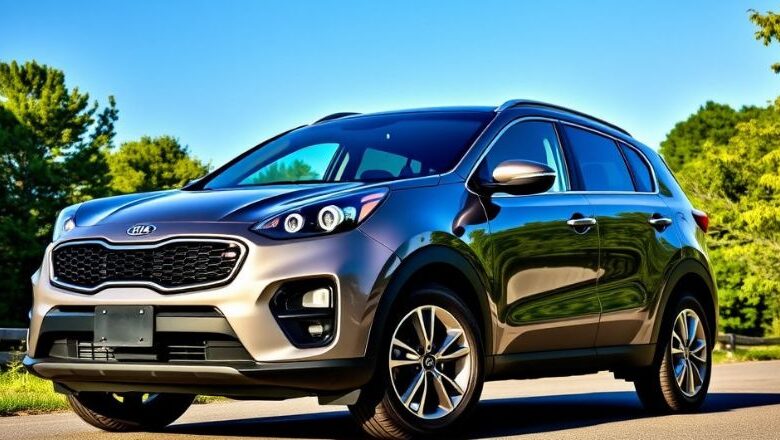
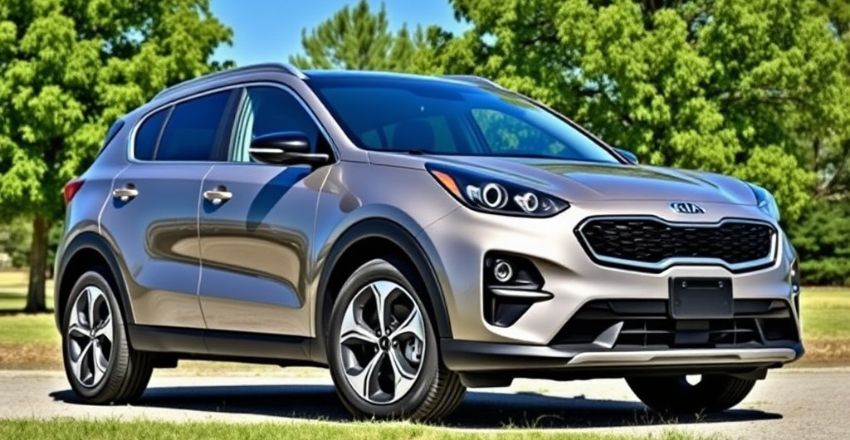
The Kia Tucson Hybrid is a compact SUV that pairs a 1.6-liter turbocharged four-cylinder with an electric motor and a small battery, producing about 226 to 231 horsepower depending on model year. Its best trims are EPA-rated in the high 30s mpg, most US versions come with all-wheel drive, and pricing typically lands in the low $30,000s to the low $40,000s before destination.
This guide explains how the powertrain works, real-world fuel economy, the trims and what they add, the plug-in hybrid alternative, how it compares with the Toyota RAV4 Hybrid and Honda CR-V Hybrid, and who should (and should not) buy one.
Kia Tucson Hybrid key specs
The current-generation Tucson arrived for the 2022 model year and received a styling and technology refresh for 2025. Exact figures vary by year and trim, so always confirm on the window sticker.
| Spec | Kia Tucson Hybrid (approximate) |
|---|---|
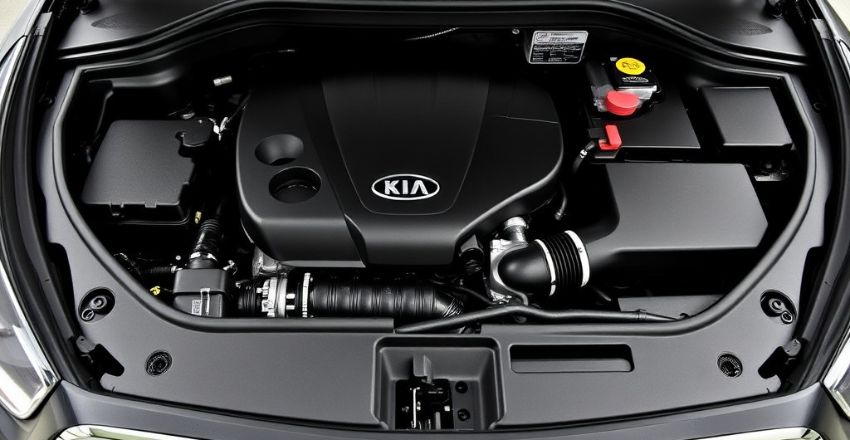
| Engine | 1.6L turbocharged four-cylinder plus electric motor |
| Combined output | About 226 hp (2022 to 2024); about 231 hp after the 2025 update |
| Transmission | Six-speed automatic (not a CVT) |
| Drivetrain | All-wheel drive on most US trims |
| EPA fuel economy | Roughly 35 to 38 mpg combined depending on trim |
| Fuel tank | About 13.7 gallons |
| Cargo space | Close to 39 cubic feet behind the rear seat, about 74 cubic feet folded |
| 0 to 60 mph | Around 7 to 7.5 seconds in independent testing |
| Seating | Five |
How the hybrid powertrain works
Unlike Toyota’s hybrids, which use a planetary gearset that behaves like a continuously variable transmission, Kia uses a conventional six-speed automatic with an electric motor sitting between the engine and the gearbox. In practice that means:
- It feels like a normal car. You get distinct gear changes instead of the engine droning at a constant pitch under acceleration.
- Strong low-speed pull. The electric motor fills in before the turbo builds boost, so merging and passing feel easy.
- Short electric-only stretches. At low speeds and light throttle it can run on battery alone, then the engine restarts smoothly.
- No plugging in. The small battery recharges from the engine and regenerative braking.
Fuel economy: rated and real world
The most efficient Tucson Hybrid trims carry EPA ratings of about 38 mpg in the city, on the highway and combined. Better-equipped trims with larger wheels generally rate a few mpg lower, in the mid-30s combined. Unusually for a hybrid, city and highway figures are close together, because the turbo engine is efficient at cruising speeds.
Real-world results depend on how and where you drive. Owners who do a lot of stop-and-go suburban driving often see figures near the rating in warm weather. Expect lower numbers in winter, at sustained 75-plus mph speeds, or with a roof box. Even so, most drivers should use noticeably less fuel than in a gas-only Tucson, which is rated in the mid-20s mpg combined.
A rough way to estimate savings: at 12,000 miles a year and gas around $3.50 a gallon, moving from 26 mpg to 37 mpg saves roughly $450 to $500 annually. Your figure will change with fuel prices and mileage.
Trims, features and pricing
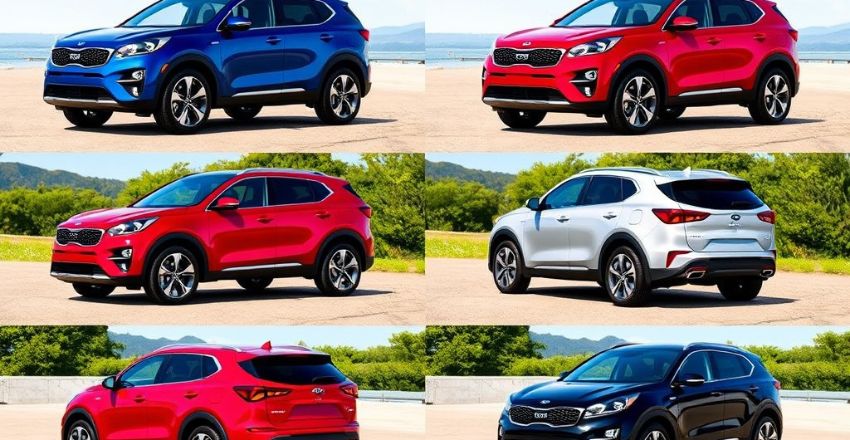
Kia has shuffled trim names across model years, but the Tucson Hybrid lineup has generally followed a similar ladder. Prices below are approximate MSRP ranges before destination and can change with each model year.
| Trim level | Typical highlights | Approximate price range |
|---|---|---|
| Entry (LX / Blue) | Most efficient rating, cloth seats, core driver-assist suite, Apple CarPlay and Android Auto | Low $30,000s |
| Mid (EX) | Larger screens, heated front seats, dual-zone climate, power liftgate | Mid $30,000s |
| Upper (SX / SX Prestige) | Panoramic sunroof, premium audio, ventilated seats, surround-view camera, more advanced assists | High $30,000s to low $40,000s |
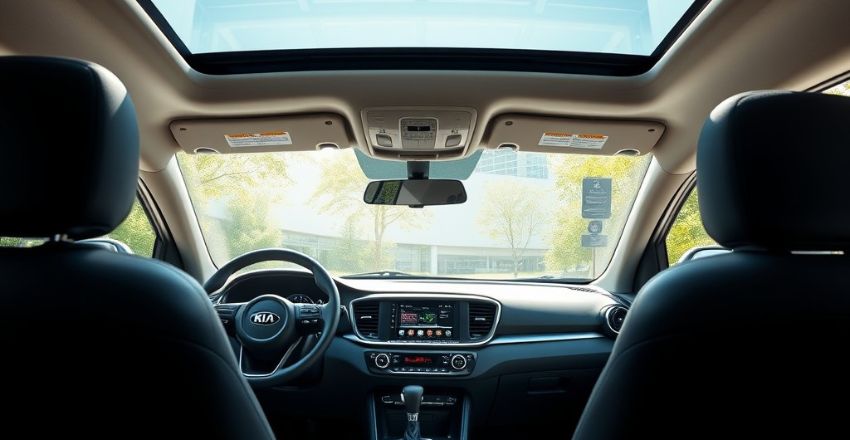
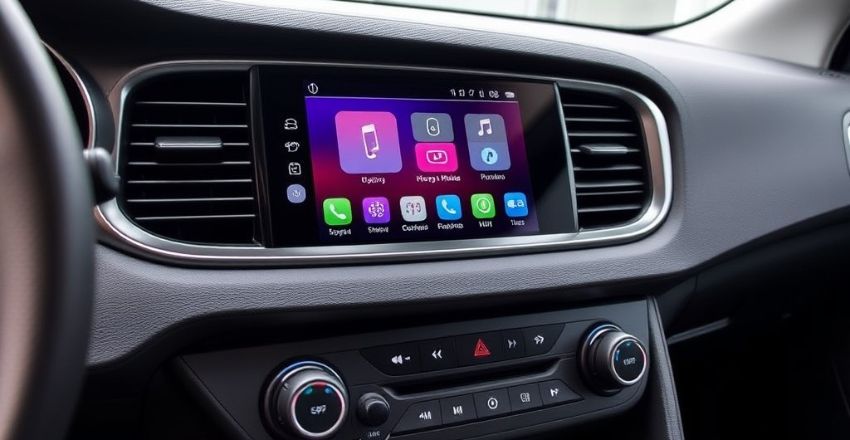
Pre-2025 models use an 8-inch touchscreen on lower trims and a 10.25-inch screen on upper trims. The 2025 refresh moved to a wider curved display that combines the instrument cluster and infotainment screen on most versions, and added a revised steering wheel and more physical controls.
Interior, space and comfort
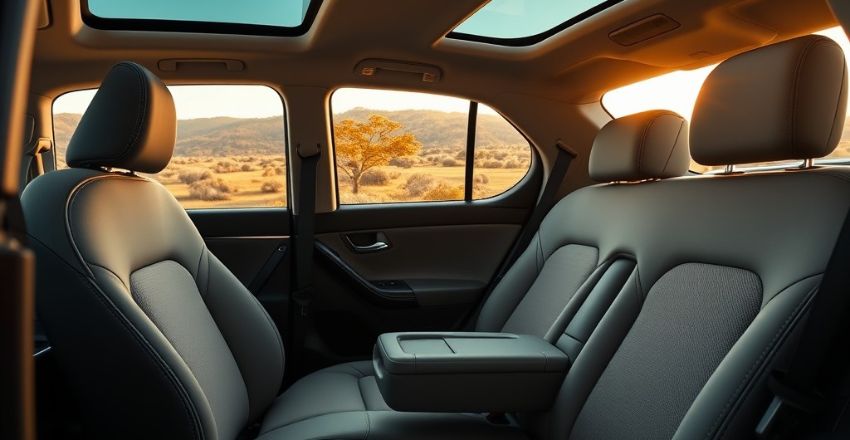
The Tucson is one of the roomier compact SUVs. Rear-seat legroom is generous enough for adults on long drives, and the hybrid battery sits under the rear seat, so cargo space is almost identical to the gas model. That makes it a practical family car: a rear-facing car seat fits without forcing the front passenger forward, and a weekend’s luggage fits easily behind the second row.
Ride quality is on the comfortable side, with good isolation over broken pavement. Wind and road noise are moderate for the class. Higher trims add ventilated front seats, heated rear seats and a heated steering wheel, which matter in hot Sun Belt summers and northern winters alike.
Safety and driver-assist technology
All Tucson Hybrids come with a solid set of standard assists, including forward collision-avoidance with automatic emergency braking, lane-keeping and lane-following assist, blind-spot collision avoidance, rear cross-traffic alert, driver attention warning and Kia’s Safe Exit Assist, which can warn rear passengers not to open a door into approaching traffic. Upper trims add Highway Driving Assist, a surround-view camera and a blind-spot camera view in the cluster.
Crash-test results change as testing protocols get stricter, so check the latest ratings from the IIHS and NHTSA for the exact model year you are considering. Whatever you drive, it is worth knowing what you need to file a car insurance claim after an accident before you ever need it.
Tucson Hybrid vs Tucson Plug-in Hybrid
Kia also sells a Tucson Plug-in Hybrid (PHEV) with a much larger battery, more power (around 260 hp) and an EPA-estimated electric range in the low 30s of miles. If you can charge at home and most of your daily driving is under about 30 miles, the PHEV can cover many trips without using gas. The trade-offs are a higher price, a smaller fuel tank and slightly reduced practicality. If you cannot charge at home, the regular hybrid is usually the better value.
How it compares with rivals
| Model | Strengths | Weak points vs Tucson Hybrid |
|---|---|---|
| Toyota RAV4 Hybrid | Excellent reliability reputation, strong resale value, similar or slightly better mpg | Often higher transaction prices; engine can sound coarse under load |
| Honda CR-V Hybrid | Smooth, refined drive, large cargo area | Pricier at the entry point for a hybrid |
| Hyundai Tucson Hybrid | Mechanically very similar, different styling and features | Largely a matter of taste and dealer pricing |
| Ford Escape Hybrid (used) | Efficient, car-like handling | Smaller rear seat and cargo area |
The Tucson’s main advantages are its long warranty, generous standard equipment and a conventional-feeling transmission. Kia’s coverage includes a 5-year/60,000-mile basic warranty and a 10-year/100,000-mile powertrain warranty for the original owner, and hybrid battery components are also covered for 10 years or 100,000 miles. Second owners get shorter powertrain coverage, so factor that into used prices.
Ownership tips and known considerations
- Check for recalls. Enter the VIN on the NHTSA recall site before buying new or used, and make sure any open campaigns are done.
- Use the right oil and follow the schedule. Turbocharged engines are sensitive to oil quality; the hybrid system reduces engine hours but does not eliminate maintenance.
- Test the infotainment. Make sure wireless phone projection (on trims that have it) works reliably with your phone before signing.
- Compare out-the-door prices. Dealer markups and add-ons vary widely by region; get quotes from more than one store.
- Consider theft protection. Push-button-start Kias are not affected by the widely reported theft issue that hit certain older key-start models, but a car tracking device can still add peace of mind.
Who should buy a Kia Tucson Hybrid?
It suits commuters and families who want lower fuel costs without changing how they refuel, like the feel of a traditional automatic, need AWD for weather, and value a long warranty. It is less ideal if you mostly drive long highway distances at high speed (where hybrids gain less), if you can charge at home and would benefit from the PHEV, or if resale value is your top priority, where Toyota still tends to lead.
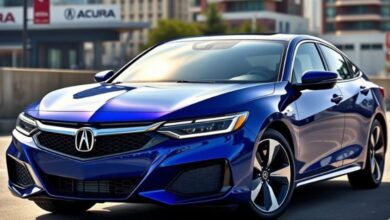
If you want something sportier and smaller, our look at the 2023 Acura Integra covers a very different kind of daily driver.
Frequently asked questions
What engine does the Kia Tucson Hybrid have?
It uses a 1.6-liter turbocharged four-cylinder paired with an electric motor and a six-speed automatic, making roughly 226 to 231 horsepower depending on model year.
What mpg does the Kia Tucson Hybrid get?
The most efficient trims are EPA-rated around 38 mpg combined, while better-equipped trims are typically rated in the mid-30s. Real-world results vary with weather, speed and driving style.
Is the Kia Tucson Hybrid all-wheel drive?
Most US Tucson Hybrid trims come with all-wheel drive. Check the specific trim and model year, as availability can change.
How much does a Kia Tucson Hybrid cost?
New prices typically run from the low $30,000s to the low $40,000s before destination, depending on trim and model year. Dealer pricing and incentives vary by region.
Do you have to plug in the Tucson Hybrid?
No. The regular hybrid charges itself through the engine and regenerative braking. Only the Tucson Plug-in Hybrid is designed to be plugged in.