A car tracking device does much more than show where your vehicle is parked. Modern GPS trackers can help police recover a stolen car, alert you when a teen driver speeds or leaves a set area, flag harsh braking and acceleration, and in some cases call for help automatically after a crash. For families, commuters and small fleets, those features add up to real safety benefits, as long as you pick the right type of device and use it legally and transparently.
How a car GPS tracker works
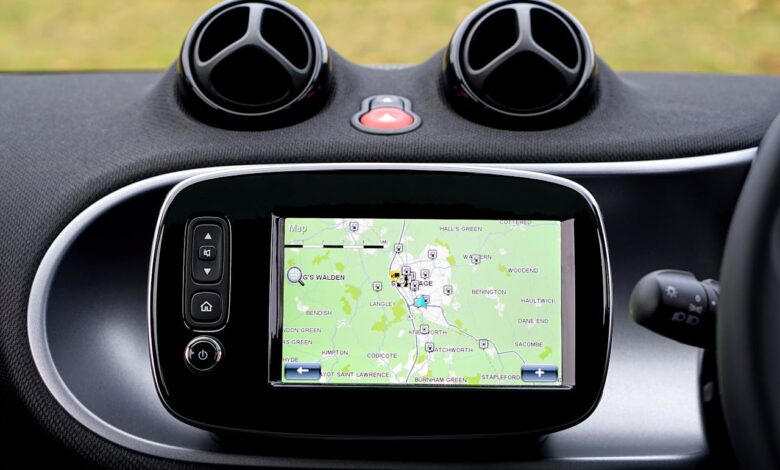
A tracker combines a GPS receiver, which works out the vehicle’s position from satellite signals, with a cellular modem that sends that position to a server. You then see the location and alerts in a phone app or web dashboard. Most trackers report every few seconds to every few minutes while the car is moving and switch to a low-power mode when it is parked. Because they rely on a mobile network, the majority need a data plan or subscription.
Types of car tracking devices
| Type | How it is powered and fitted | Pros | Cons |
|---|---|---|---|
| OBD-II plug-in | Plugs into the diagnostic port under the dashboard (standard on US cars from 1996 on) | Installs in seconds, no battery to charge, can read engine data | Easy for a thief to spot and unplug |
| Hardwired | Wired into the vehicle’s electrical system, usually by an installer | Hidden, always on, hard to remove | Installation cost and effort |
| Battery-powered portable | Self-contained unit, often magnetic | Can be hidden anywhere or moved between vehicles | Needs regular recharging |
| Built-in telematics | Factory systems from carmakers, activated by subscription | No extra hardware, often includes crash response | Features and pricing tied to the manufacturer |
Bluetooth item finders are sometimes used as budget trackers, but they are not true GPS devices: they rely on nearby phones to report location, so coverage is patchy and updates are not real time.
Seven ways a tracker can make driving safer
1. Faster recovery after theft
If your car is stolen, a live location lets you give police an exact position instead of a vague description. The faster a stolen vehicle is found, the more likely it is to come back undamaged. Some trackers also send a “movement” alert when the car moves while it is supposed to be parked, so you can act within minutes rather than discovering the theft the next morning. Never try to recover a stolen car yourself; share the location with law enforcement.
2. Geofencing alerts
Geofencing lets you draw virtual boundaries on a map, such as home, school or a work depot. You get a notification when the vehicle enters or leaves. Parents use it to confirm a teen arrived safely at school or practice; businesses use it to confirm a van reached a job site or to spot use outside agreed service areas. A geofence around your driveway overnight doubles as an early theft warning.
3. Speed monitoring
Speeding is consistently one of the leading factors in fatal crashes in the US. Most trackers let you set a speed threshold and send an alert when it is exceeded, along with a trip history showing where it happened. For new drivers, reviewing that history together can open a practical conversation about risky stretches of road, which tends to work better than general warnings.
4. Driving behavior feedback
Many devices use accelerometers to detect harsh braking, rapid acceleration and sharp cornering, then turn the data into a simple score. Watching that score improve over a few weeks is a useful habit-builder for any driver. Fleet managers use the same data to target coaching at specific drivers and to recognize safe driving. If you have a newly licensed driver in the house, pair this with our guide to passing your driving test with confidence, which covers the habits examiners look for.
5. Crash detection and emergency help
Some trackers and factory telematics systems detect the sudden deceleration of a collision and alert a monitoring center or your emergency contacts with the car’s location. Others include an SOS button. After a serious crash, a driver may be unable to call for help, so an automatic alert can save valuable minutes. Check exactly what a product does: some notify only family contacts, while others connect to a staffed response center.
6. Help after a breakdown
On an unfamiliar highway or rural road, it can be hard to describe where you are. Sharing a precise location with roadside assistance or a family member speeds up help, which is especially reassuring for late-night drives or long road trips.
7. Maintenance reminders and trip records
OBD-II trackers can read engine fault codes and battery voltage, warning you of problems before they leave you stranded. Trip logs are also handy for mileage records and, after an incident, can help establish the time and place of events. If you ever need to report a collision, our guide on filing a car insurance claim after an accident explains what information to gather.
What to look for when buying
- Update frequency: real-time updates every few seconds matter for theft recovery; slower intervals save battery.
- Network coverage: make sure the device uses a current cellular network with good coverage where you drive. Older 2G and 3G networks have been shut down in the US, so avoid devices that depend on them.
- Battery life: for portable units, check real-world battery life at your chosen update rate.
- App quality: clear alerts, easy geofence setup and trip history you can actually read.
- Subscription terms: monthly fees vary widely; compare the total cost over two years, not just the device price.
- Data privacy: check where location data is stored, who can access it and how long it is kept.
Consumer trackers generally range from budget units that cost less than a tank of gas to premium hardwired systems, with subscriptions commonly adding a few dollars to a few tens of dollars a month. European specialists such as PAJ, which offers a range of GPS Tracker products for cars, motorcycles and personal use, show the range of options available, from plug-in units to portable trackers with long battery life. Whatever brand you choose, confirm that it works on networks in your country before you buy.
Installation and setup tips
- For theft protection, hide portable or hardwired units away from obvious spots like the glove box or OBD port.
- Avoid placing GPS units under thick metal, which can weaken the signal; plastic trim panels are usually fine.
- Set only the alerts you need. Too many notifications quickly get ignored.
- Test the device with a short drive and confirm alerts reach your phone.
- Ask your auto insurer whether a tracker or telematics program qualifies for a discount.
Use tracking legally and respectfully
Tracking your own vehicle is generally legal. Tracking a car you do not own, or secretly tracking another adult, can be illegal in many states and may amount to stalking. Laws vary, so check the rules where you live. For families, openness works best: tell your teen the car has a tracker, agree on what alerts you will use, and explain that it is about safety rather than punishment. Businesses tracking company vehicles should put their policy in writing and tell employees what is monitored and when. Also worth reading: Can You Use Psychology to Attract More Buyers When Selling My Car Online in Little Rock.
Find more car guides in our Automobile section.
Frequently asked questions
Do car GPS trackers need a subscription?
Most real-time trackers do, because they use a cellular connection to send location data. A few include a data plan in the purchase price for a set period, so compare total cost over time.
Can a GPS tracker help recover a stolen car?
Yes. A live location lets police find the vehicle quickly, and movement alerts can warn you soon after a theft begins. Always share the location with police instead of trying to recover the car yourself.
Is it legal to put a tracker on a car?
Tracking a vehicle you own is generally legal. Tracking someone else’s car or secretly tracking another adult can break state laws, so check local rules and get consent where required.
Where is the best place to hide a car tracker?
Behind plastic interior trim, under seats or inside the trunk lining are common choices. Avoid heavy metal enclosures that block GPS signals and obvious spots a thief would check first.
Can a tracker lower my car insurance?
Some insurers offer discounts for anti-theft tracking devices or for joining telematics programs that reward safe driving. Ask your insurer what qualifies.