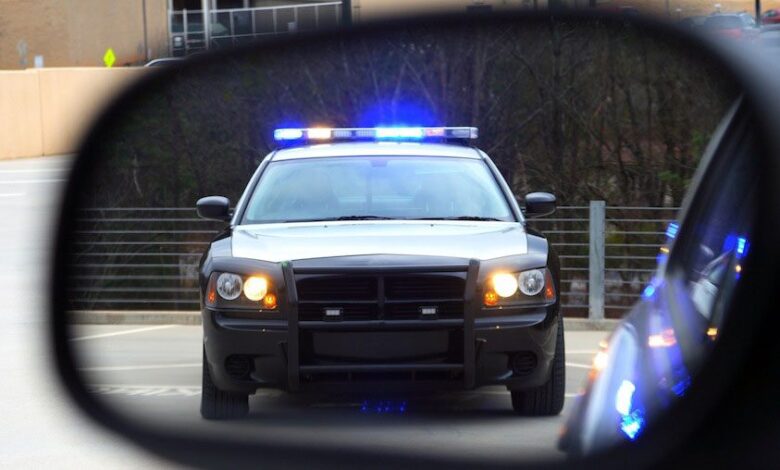
Road rage is not a single offence in Ontario — but the behaviour behind it can lead to serious charges. A driver who tailgates, brake-checks, chases another car or gets out to confront someone can face careless driving or stunt driving under the Highway Traffic Act, and dangerous driving, assault or mischief under the Criminal Code. The safest legal strategy, whether you are targeted or you are the one who lost their temper, is the same: disengage, protect yourself, and get advice early.
This guide explains what counts as road rage under Ontario law, the penalties that apply, why your insurance status raises the stakes, exactly what to do if an aggressive driver targets you, and what to do if you are charged.
What Counts as Road Rage Under Ontario Law
Police and courts look at what a driver actually did, not whether they were angry. Common road rage behaviour includes tailgating, brake-checking, cutting someone off on purpose, blocking a lane, chasing another vehicle, shouting threats, throwing objects, and getting out of the car to confront someone. Depending on the facts, that conduct can fall under provincial traffic law, federal criminal law, or both.
That distinction matters. A provincial offence is handled in traffic court and can mean fines, demerit points and licence suspension. A criminal charge can mean a criminal record, with consequences for employment, travel and immigration status. The same few seconds of driving can lead to either — or both.
Provincial Offences Under the Highway Traffic Act
The most common charges arising from road rage incidents are:
| Offence | Typical road rage example | Possible penalties |
|---|---|---|
| Following too closely | Tailgating to intimidate another driver | Fine and demerit points |
| Careless driving | Weaving through traffic, brake-checking, driving without due care and attention | Fine of $400 to $2,000, up to 6 months in jail, licence suspension of up to 2 years, 6 demerit points |
| Stunt driving and racing | Chasing or racing another car, extreme speeding | Immediate roadside licence suspension and vehicle impoundment; on conviction, large fines, possible jail and a longer suspension |
| Unsafe lane change or failing to signal | Cutting in deliberately without signalling | Fine and demerit points |
How demerit points work
Demerit points stay on your Ontario driving record for two years from the offence date. As points build up, the Ministry of Transportation can send warning letters, require you to attend an interview, or suspend your licence. Novice drivers — G1, G2, M1 and M2 — face these steps at lower point totals, so a single careless driving conviction can be enough to put a new driver’s licence at risk.
Convictions also tend to raise insurance premiums for several years. Insurers treat a careless driving conviction as a major offence, and the higher premium can cost far more over time than the fine itself.
Criminal Code Charges
When road rage crosses into threats or violence, the charges can become criminal. Examples include:
- Dangerous operation of a motor vehicle — driving in a way that is dangerous to the public, such as chasing another car at high speed through traffic.
- Assault — including assault with a weapon if a car or an object is used to threaten someone.
- Uttering threats — threatening to harm a person or damage their property.
- Mischief — damaging another person’s vehicle or property, for example by kicking a car door or smashing a mirror.
These are far more serious than traffic tickets. A criminal conviction can affect your job, your ability to travel, and — for non-citizens — your immigration status. If police mention a Criminal Code charge, or if you are arrested rather than simply ticketed, speak to a criminal defence lawyer before saying anything about what happened.
Why Insurance Status Raises the Stakes
A road rage incident often leads to a police stop, and that stop can reveal other problems. Under Ontario’s Compulsory Automobile Insurance Act, driving without insurance Ontario is a serious offence on its own. A first conviction carries a fine of $5,000 to $25,000. A repeat conviction carries higher fines, plus a possible licence suspension of up to a year and impoundment of the vehicle.
If the incident also caused a collision, an uninsured driver may be personally responsible for the damages. In other words, getting drawn into a confrontation while uninsured can turn a bad day into a very expensive one — and it is one more reason to keep your insurance and documents current, so a traffic stop never becomes a bigger problem than it needs to be.
If an Aggressive Driver Targets You
1. Disengage and protect yourself
Do not make eye contact, gesture, honk back or speed up to “win.” Let the other driver pass. Change lanes or slow down gradually when it is safe to do so. Keep your doors locked and your windows up. Do not get out of your car.
If you are being followed, do not drive home. Head to a police station or a busy, well-lit public place — a gas station, a hospital entrance, a fire station. An aggressive driver who wanted a private confrontation usually backs off in front of witnesses and cameras.
2. Call for help when you are in danger
If someone is threatening you, following you, or driving in a way that puts lives at risk, call 911 when it is safe to do so. Ontario’s distracted driving law bans holding a phone while driving, so use a hands-free setup, let a passenger call, or pull over safely first. For incidents that are over and not urgent, use your local police non-emergency line instead.
3. Gather evidence safely
Evidence helps police act, and it protects you if the other driver later tells a different story. Once you are safely stopped — or through a passenger — note:
- The licence plate, vehicle make, model and colour.
- The time, road, direction of travel and nearest intersection or highway exit.
- A description of the driver and exactly what they did, written down as soon as possible while it is fresh.
- Names and contact details of any witnesses.
- Dashcam footage, which you should save and back it up right away.
Never film while driving. A dashcam records automatically, and in-vehicle technology such as GPS tracking can also help establish times and locations; our article on how a car tracking device can enhance your safety explains how.
4. Report it and deal with insurance
Report serious incidents to police even if no one was hurt. If there was a collision, Ontario requires you to report it to police when anyone is injured or combined damage appears to exceed $2,000; otherwise, you may need to attend a collision reporting centre, depending on where you are.
Notify your insurer promptly. Our guide on filing a car insurance claim after an accident covers the documents to prepare.
If You Are the One Charged
Anyone can have a bad moment behind the wheel, and a charge is an allegation, not a conviction. What you do next matters:
- Stay calm and polite with police. You must identify yourself and produce your licence, ownership and insurance, but you are not required to explain or argue your case at the roadside.
- Read the ticket or summons carefully. Note the charge, the court location and your deadline to respond. Missing a deadline can lead to a conviction in your absence.
- Do not simply pay a serious ticket. Paying a fine is a guilty plea, which brings demerit points and insurance consequences. For a careless driving or stunt driving charge, that is a decision worth getting advice about first.
- Preserve your own evidence. Save dashcam video, photos and witness details that support your version of events before anything is overwritten or forgotten.
- Get advice early. A representative can request disclosure — the evidence police hold — assess weaknesses in the case, and negotiate or defend it at trial.
How a Traffic Paralegal Can Help
In Ontario, paralegals are licensed and regulated by the Law Society of Ontario and can represent people in provincial offences matters, such as Highway Traffic Act and insurance charges, in the Ontario Court of Justice. A firm such as Traffic Paralegal Services typically handles charges like careless driving, stunt driving, speeding and driving without insurance.
Typical help includes:
- Explaining the charge, the possible penalties and the realistic outcomes.
- Requesting and reviewing disclosure, including officer notes and any video.
- Negotiating with the prosecutor, sometimes toward a lesser charge with fewer demerit points.
- Representing you at trial, so you may not need to take time off work for every appearance.
- Advising on how a conviction may affect your licence and insurance.
Paralegals can act only on certain minor criminal matters. If you face a serious Criminal Code charge such as dangerous driving or assault, speak to a criminal defence lawyer.
Habits That Keep You Out of Road Rage Situations
Most road rage starts with ordinary stress, not malice. A few habits make it much less likely you will be either the target or the cause:
- Leave extra time so traffic delays do not push you into rushing. The drivers most likely to snap are the ones already late.
- Keep a generous following distance, especially on the 400-series highways, where sudden slowdowns are common.
- Signal early, merge smoothly and let others merge in. Small courtesies prevent most conflicts.
- If you make a mistake, a simple apologetic wave often defuses tension before it escalates.
- Keep your insurance and documents current so a traffic stop never becomes a bigger problem.
- Brush up on defensive driving. Many of the habits in our tips for passing your driving test are worth revisiting at any age — scanning ahead, checking mirrors, and leaving yourself an escape route.
The Bottom Line
Road rage is not a crime in itself in Ontario, but the driving behind it can be charged as careless or stunt driving, or as a criminal offence — and the penalties, from a $400 fine to a criminal record, are out of proportion to whatever provoked it. If someone targets you, disengage, get somewhere safe, call 911 if you are in danger, and report it. If you are charged, do not just pay the ticket: read it carefully, preserve your evidence, and get advice early from a licensed paralegal or lawyer.
This article is general information, not legal advice. Laws and penalties change, so speak with a licensed Ontario paralegal or lawyer about your specific situation.
Frequently Asked Questions (FAQs)
Is road rage a crime in Ontario?
There is no offence called road rage, but the behaviour can lead to Highway Traffic Act charges such as careless or stunt driving, and to Criminal Code charges such as dangerous driving, assault or uttering threats.
What should I do if someone follows me after a road rage incident?
Do not go home or get out of your car. Keep doors locked, drive to a police station or busy public place, and call 911 hands-free or have a passenger call.
How many demerit points is careless driving in Ontario?
A careless driving conviction carries six demerit points, along with a possible fine of $400 to $2,000, up to six months in jail and a licence suspension of up to two years.
What is the fine for driving without insurance in Ontario?
A first conviction carries a fine of $5,000 to $25,000, with higher fines for repeat offences. The court can also suspend your licence for up to a year, and the vehicle can be impounded.
Can a paralegal help with a road rage charge?
Yes, for provincial charges such as careless driving, stunt driving or driving without insurance, and for certain minor criminal matters. Serious criminal charges should be handled by a criminal defence lawyer.
Should I pay a careless driving ticket right away?
Not before getting advice. Paying the fine is a guilty plea, which brings six demerit points and insurance consequences. A paralegal may be able to negotiate a lesser charge.