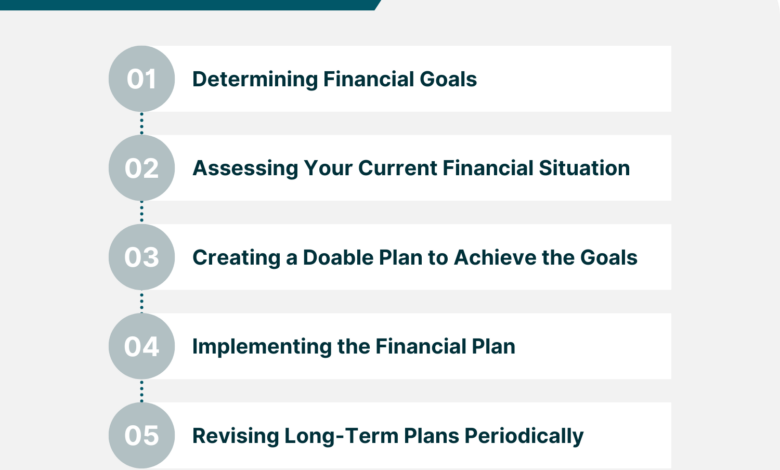
Auto refinancing means replacing your current car loan with a new one, ideally at a lower interest rate, a better term or both. Used well, it can cut your monthly payment, reduce the total interest you pay and free up cash for savings or debt payoff. It is not always a win, though: stretching the term or paying high fees can cost you more over time. This guide explains when an auto refinance fits into a sound financial plan, how to run the numbers and the steps to apply.
How auto refinancing works
When you refinance, a new lender (a bank, credit union or online lender) pays off your existing loan, and you start making payments on the new one. The car stays yours, and the new lender becomes the lienholder on the title. You choose a new annual percentage rate (APR) and term based on the offers you qualify for, which depend on your credit, income, the car’s value and how much you still owe.
Specialist lenders and marketplaces make it easier to compare several offers at once. If you want to see how a dedicated auto refinance provider structures its process, reviewing one alongside your bank and a local credit union gives you a useful spread of rates to compare.
When refinancing your car loan makes sense
- Your credit has improved. A higher score since you bought the car may qualify you for a noticeably lower rate.
- Market rates have dropped since you took out the loan.
- You financed through a dealer and accepted a rate without shopping around; dealer-arranged loans are sometimes marked up.
- You need a lower payment to handle a change in income or expenses.
- You want to remove a co-borrower from the loan, for example after a divorce, if you can qualify on your own.
When refinancing may not help
- You are near the end of the loan. Most interest is paid early, so savings shrink as the balance falls.
- You owe more than the car is worth. Many lenders limit loan-to-value, making approval harder.
- Your current loan has a prepayment penalty that outweighs the savings. Check your contract.
- The car is older or high-mileage and falls outside lenders’ eligibility limits.
- Your credit has dropped since you took the original loan.
A worked example
Suppose you owe $25,000 with 48 months left at 10 percent APR. Here is how two refinance choices compare (figures are rounded and exclude fees):
| Scenario | Monthly payment | Interest remaining |
|---|---|---|
| Keep current loan: 10% APR, 48 months | About $634 | About $5,435 |
| Refinance: 6% APR, 48 months | About $587 | About $3,182 |
| Refinance: 6% APR, 60 months | About $483 | About $3,999 |
Keeping the same term saves roughly $2,250 in interest and lowers the payment by about $47. Stretching to 60 months drops the payment by about $150 but gives back part of the interest savings and keeps you in debt a year longer, while the car keeps losing value. The lesson: a lower rate at the same or shorter term is the cleanest win; a longer term is a cash flow tool, not a savings tool.
How refinancing fits into a financial plan
Redirect the savings on purpose
Monthly savings disappear quickly if you do not assign them a job. Set up an automatic transfer for the difference into an emergency fund, a high-interest debt payment or a retirement account. Over a few years, that small monthly amount can add up to a meaningful sum, and it helps your net worth grow, a concept we explain in understanding net worth and strategies to build wealth.
Build a cushion for the unexpected
Financial plans have to allow for life’s unpredictability: job changes, medical bills or car repairs rarely arrive on schedule. A lower fixed car payment reduces the amount you must cover every month, which makes it easier to build and keep an emergency fund. Many planners suggest aiming for several months of essential expenses in savings, and freed-up loan money is an easy way to get there gradually. If your vehicle is ever damaged, knowing how to file a car insurance claim after an accident also protects your budget.
Pay off the car faster
If your main goal is being debt-free, refinance to a lower rate and keep making your old payment amount, or choose a shorter term. More of each payment goes to principal, and you own the car outright sooner.
Step-by-step: how to refinance a car loan
- Check your credit reports and score, and dispute any errors first.
- Gather loan details: current balance, APR, remaining months and your lender’s payoff amount.
- Estimate the car’s value with a pricing guide so you know your loan-to-value ratio.
- Prequalify with several lenders. Many use soft credit checks for prequalification. When you formally apply, credit scoring models generally treat multiple auto loan inquiries within a short window as one, so shop within about two weeks.
- Compare offers on APR, term, total interest and fees, not just the monthly payment.
- Apply and submit documents: typically ID, proof of income, proof of insurance, registration and vehicle details such as the VIN and mileage.
- Keep paying your old loan until you confirm it is paid off, then check that the title and lien are updated.
Where to refinance: lender types compared
| Lender type | Potential advantages | Things to check |
|---|---|---|
| Credit unions | Often competitive rates and flexible underwriting for members | Membership eligibility, branch or online access |
| Banks | Relationship discounts if you already bank there | Stricter credit requirements at some banks |
| Online lenders | Fast applications, quick decisions | Fees, customer service reputation |
| Refinance marketplaces and specialists | Compare multiple lender offers with one application | Which lenders are in the network, how your data is shared |
Getting quotes from at least one of each type is the easiest way to see whether an offer is genuinely competitive for your credit profile.
Other ways to lower the cost of your car
Refinancing is one lever among several. If the numbers do not work, or you want to go further, consider these options:
- Shop your insurance: comparing quotes every year or two, raising your deductible if you have savings to cover it, and asking about low-mileage or bundling discounts can cut premiums.
- Make extra principal payments: even small additional amounts shorten the loan and reduce interest, as long as your loan has no prepayment penalty.
- Keep up with maintenance: regular oil changes, tire rotations and timely repairs usually cost far less than breakdowns.
- Talk to your current lender: if you are struggling, some lenders offer payment deferrals or modified terms. Ask before you miss a payment.
- Consider downsizing: if the payment is simply too large for your budget, selling and buying a less expensive vehicle may be the more sustainable fix.
Whichever route you take, look at the total cost of owning the car (loan, insurance, fuel, maintenance and depreciation) rather than the monthly payment alone. That wider view is what turns a single refinance decision into part of a real financial plan.
Costs to watch for
Refinancing is often inexpensive, but check for lender origination fees, state title transfer and lien recording fees, and any prepayment penalty on your current loan. Be cautious about add-ons such as extended warranties or GAP coverage rolled into the new loan; they raise the balance you pay interest on. Buy them only if you need them and have compared prices.
For a broader view of how debt fits alongside saving, investing and cash flow, see our guide to financial management for long-term success.
This article is general information, not financial advice. Rates, fees and eligibility vary by lender and state, so review loan terms carefully or speak with a qualified advisor.
Frequently asked questions
How soon can I refinance my car loan?
Some lenders allow it within a few months of purchase, but many want the title transferred and several on-time payments first. Check each lender’s requirements.
Does refinancing a car hurt your credit?
A hard inquiry and a new account can lower your score slightly for a short time. Shopping for rates within a brief window and paying on time usually limits the impact.
Can I refinance if I owe more than my car is worth?
It is harder. Some lenders accept loan-to-value above 100 percent, but you may need to pay down the balance or wait until you owe less.
Is a longer loan term a good idea?
A longer term lowers the payment but usually increases total interest and keeps you in debt longer. It suits short-term cash flow needs rather than saving money.
What documents do I need to refinance?
Typically a driver’s license, proof of income, proof of insurance, vehicle registration, the VIN and mileage, and your current loan’s payoff information.