Antigua and Barbuda is attractive to foreigners mainly because it does not tax personal income, capital gains, inheritances or wealth. Personal income tax was abolished in 2016, so individuals generally pay no income tax there on salaries or investment returns, while businesses still face corporate tax and everyone pays consumption taxes, property taxes and duties. The real benefit you get depends heavily on your home country: US citizens, for example, remain taxable by the IRS on worldwide income wherever they live. This guide explains what the regime actually offers, where the costs are, and what to check before moving money or residence.
The Antigua and Barbuda tax system at a glance
The twin-island nation uses the Eastern Caribbean dollar (XCD), which has been pegged at about EC$2.70 to US$1 for decades, a feature that removes most currency risk for people who think in dollars. The main taxes and exemptions look like this. Rates change, so treat the table as a starting point and confirm current figures with the Inland Revenue Department or a local adviser.
| Tax | General position |
|---|---|
| Personal income tax | Abolished for individuals from 2016 |
| Capital gains tax | None |
| Inheritance, estate and gift tax | None |
| Wealth tax | None |
| Corporate income tax | Applies to companies with local business income (the standard rate has been 25%) |
| Withholding tax | Can apply to certain payments to non-residents, such as dividends, interest and royalties |
| ABST (sales tax) | A broad consumption tax on most goods and services, with a standard rate in the mid-to-high teens |
| Property tax and stamp duty | Annual property tax plus stamp duty on property transfers; foreign buyers also need a landholding licence |
| Social security and medical benefits | Contributions apply to employment income |
Personal tax benefits for foreign residents
No personal income tax
The headline benefit is simple. Since the personal income tax was repealed, individuals are not taxed locally on wages, pensions, dividends or interest. For a retiree drawing a pension, a remote worker paid by a foreign employer, or an investor living off a portfolio, Antigua itself takes nothing from that income. Employees working locally still pay social security and medical benefits contributions, and everyone pays tax indirectly through ABST and import duties.
No capital gains, inheritance or wealth taxes
Gains from selling shares, funds or other investments are not taxed in Antigua, and there is no estate or inheritance tax when assets pass to heirs. That makes the country appealing for long-term holding and family succession planning. Property is the main exception to “tax-free”: transfers attract stamp duty, and owners pay annual property tax.
Residency routes
- Citizenship by Investment Programme (CIP): launched in 2013, it grants citizenship in return for a qualifying contribution to the National Development Fund, an approved real estate purchase or a business investment. Minimum amounts have been raised over time, and the programme carries a light physical presence requirement (historically five days within the first five years). Due diligence checks are extensive.
- Nomad Digital Residence: introduced in 2020 for remote workers who earn their income from outside the country, allowing stays of up to two years if you meet a minimum income threshold.
- Standard residency and work permits: for people employed locally or running a local business.
Business taxes and investment incentives
Unlike individuals, companies earning income in Antigua pay corporate income tax. What softens the burden for foreign investors is a set of discretionary incentives rather than a zero-tax regime.
- Fiscal incentives for approved projects: through the Antigua and Barbuda Investment Authority, significant projects (often in tourism, hospitality, manufacturing or renewable energy) can negotiate tax holidays, reduced rates or relief from import duties and ABST on construction materials and equipment.
- Special economic zones: legislation allows designated zones with their own concessions for qualifying businesses.
- International business corporations (IBCs): historically, IBCs doing business only outside Antigua enjoyed broad exemptions. Like other Caribbean jurisdictions, Antigua has reformed these rules in response to OECD and EU standards, and economic substance requirements now apply to many activities. Anyone relying on an IBC structure should get current advice rather than depending on older descriptions.
Incentives are usually granted case by case and written into an agreement, so the practical step is to approach the Investment Authority with a clear business plan and job-creation figures.
Banking in Antigua and Barbuda
Many foreigners who move or invest in the islands open a local account to pay bills, receive rental income or manage property costs. Antigua and Barbuda banks include local institutions and regional lenders, and domestic banks are supervised by the Eastern Caribbean Central Bank, while international (offshore) banks are overseen by the Financial Services Regulatory Commission. Expect the following when opening an account:
- Thorough know-your-customer checks: passport, proof of address, bank reference letters and evidence of the source of your funds.
- Accounts in US dollars and Eastern Caribbean dollars are common; other currencies depend on the bank.
- Fees and minimum balances can be higher than in the US, and processing may take weeks.
- Online banking is widely available, but international wire costs vary, so compare them.
One important point: “banking privacy” no longer means secrecy from tax authorities. Antigua participates in the OECD Common Reporting Standard and has an agreement with the US under FATCA, so account information about foreign tax residents is shared with their home countries. Due diligence on the bank itself also matters; the 2009 collapse of the Antigua-based Stanford International Bank, a large fraud, is a reminder to choose well-established, properly regulated institutions.
What US citizens and green card holders need to know
For most readers in the United States, this is the section that changes the math. The US taxes its citizens and green card holders on worldwide income no matter where they live, so moving to Antigua does not by itself eliminate US federal tax. Key points:
- Foreign Earned Income Exclusion: if you qualify under the bona fide residence or physical presence test, you may exclude a set amount of foreign earned income each year (the limit is indexed to inflation). It does not cover investment income or pensions.
- No foreign tax credit benefit: because Antigua levies no personal income tax, there is nothing to credit against your US bill.
- Reporting: foreign accounts with a combined value above $10,000 at any point in the year require an FBAR filing, and larger holdings may trigger Form 8938 under FATCA. Foreign companies and trusts bring their own complex forms.
- State taxes: some states continue to treat former residents as taxable unless you clearly break ties.
- Second citizenship does not end US tax status. Only formally renouncing US citizenship does that, and renunciation has its own tax consequences.
Citizens of countries that tax by residence, such as the UK or Canada, may gain more, but only after properly ending tax residence at home, which has its own tests. For a refresher on how assets, debts and taxes combine into your overall position, see our guide to understanding net worth and building wealth.
Buying property as a foreigner
Real estate is the most common investment foreigners make in Antigua. Non-citizens must obtain a Non-Citizens Land Holding Licence before completing a purchase, and the licence fee is a percentage of the property value. Stamp duty is charged on transfers, legal fees add more, and annual property tax follows. Buying through the CIP’s approved real estate projects follows separate rules, including minimum holding periods before resale. Add realistic budgets for insurance (hurricane cover is essential), maintenance and property management if you will not live there full time.
Compliance and planning checklist
- Get advice in both countries. A local Antiguan attorney or accountant plus a tax adviser from your home country, ideally one who handles expatriates.
- Document your tax residence. Keep records of days in each country, your home, and where your family and business ties are.
- Check treaty coverage. Antigua has a limited network of double taxation agreements (including CARICOM arrangements), so do not assume one exists with your country.
- Review structures regularly. Offshore company and substance rules have changed repeatedly and will keep changing.
- Plan for local costs. Imported goods, ABST and utilities mean day-to-day living can cost more than headline tax savings suggest.
Is the regime worth it?
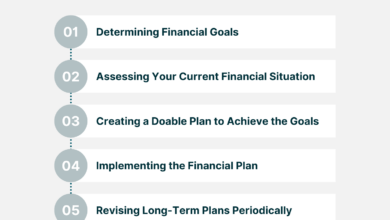
For retirees and investors who can genuinely leave their home country’s tax net, Antigua and Barbuda offers one of the cleaner low-tax setups in the Caribbean: no income, capital gains or inheritance tax, a stable dollar peg, English as the official language and short flights to North America and the UK. For US citizens, the benefits are narrower and mainly relate to lifestyle, property and local business, because the IRS still applies. Either way, the savings are real only when the planning is done carefully and the structures stay compliant. If you are building a long-term financial plan around a move like this, our guide to financial management for long-term success covers the budgeting and cash-flow side.
This article is general information, not tax, legal or financial advice. Tax rules change; consult qualified advisers before acting.
Frequently asked questions
Does Antigua and Barbuda have personal income tax?
No. Personal income tax for individuals was abolished in 2016. Social security contributions still apply to employment income, and consumption taxes apply to everyone.
Is there capital gains or inheritance tax in Antigua?
No. Antigua and Barbuda does not levy capital gains, inheritance, estate or wealth taxes, although property transfers carry stamp duty.
Do US citizens living in Antigua still pay US taxes?
Yes. The US taxes citizens and green card holders on worldwide income wherever they live. The Foreign Earned Income Exclusion may reduce tax on earned income, and foreign account reporting rules still apply.
Are Antigua bank accounts private from tax authorities?
Not from tax authorities. Antigua takes part in the Common Reporting Standard and has a FATCA agreement with the US, so account information about foreign tax residents is shared.
Can foreigners buy property in Antigua and Barbuda?
Yes. Non-citizens need a Non-Citizens Land Holding Licence, and should budget for the licence fee, stamp duty, legal fees and annual property tax.