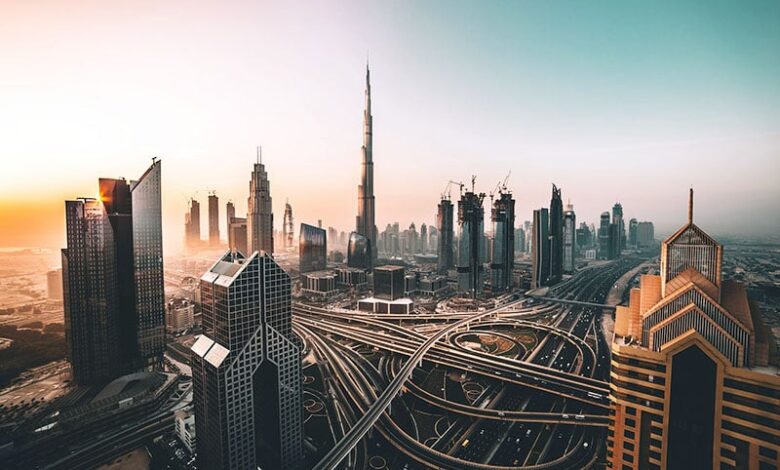
Sustainable developments are becoming the future of Dubai real estate because three forces now point the same way: government targets that make efficiency mandatory, buyers and tenants who look hard at running costs, and building technology that makes green homes cheaper to live in. For anyone buying, renting out or selling property in the emirate, the practical question is no longer whether sustainability matters, but how to judge which projects actually deliver it.
This guide explains the policies behind the shift, the certifications worth knowing, what green features look like on the ground, and how to assess a “sustainable” listing before you commit money to it.
The policy framework pushing Dubai toward greener buildings
Dubai’s property market has always responded quickly to government direction, and sustainability is now written into several long-term plans. None of them is a marketing slogan; they shape planning approvals, building codes and utility pricing.
Dubai 2040 Urban Master Plan
Launched in 2021, the master plan sets out how the city should grow over two decades. Its headline aims include concentrating growth around a handful of urban centers, expanding green and recreational space, protecting beaches and nature reserves, and making it possible for most residents to reach daily services on foot, by bike or by public transport. For buyers, the plan is a useful map: communities that sit close to planned transit links and green corridors are more likely to hold their appeal as the city matures.
Clean energy and net-zero strategies
The Dubai Clean Energy Strategy 2050 and the related Net Zero Carbon Emissions Strategy aim for clean sources to supply the large majority of the emirate’s energy by mid-century. The Mohammed bin Rashid Al Maktoum Solar Park, one of the largest single-site solar projects in the world, is the most visible part of that effort. Buildings matter because they account for a big share of electricity demand, much of it for air conditioning, so efficiency in homes and offices is one of the fastest ways to cut emissions.
Green building codes and Al Sa’fat
Dubai Municipality introduced green building regulations more than a decade ago, and they later evolved into the Al Sa’fat rating system. New buildings must meet a minimum tier, with higher tiers (Silver, Gold and Platinum) rewarding better insulation, efficient cooling, water-saving fixtures and responsible materials. Many government and high-profile projects aim above the minimum. When a developer claims a project is “green,” asking which Al Sa’fat tier it has achieved is a simple first check.
Certifications and labels worth knowing
Several rating systems appear in Dubai sales brochures. They are not interchangeable, and some apply to a different emirate altogether.
| Label | Who runs it | What it tells you |
|---|---|---|
| Al Sa’fat | Dubai Municipality | Dubai’s own green building standard; tiers above the mandatory minimum signal stronger efficiency. |
| LEED | US Green Building Council | International certification (Certified, Silver, Gold, Platinum) covering energy, water, materials and indoor quality. |
| Estidama Pearl | Abu Dhabi authorities | Abu Dhabi’s system; relevant if you compare Dubai with Abu Dhabi projects, not a Dubai requirement. |
| WELL | International WELL Building Institute | Focuses on occupant health: air, light, water quality and comfort. |
A certificate for a building’s design is not the same as proof of how it performs years later. Where possible, ask for actual utility data from existing units in the same building or community.
Why buyers and tenants are paying attention
In a hot climate, cooling is the single largest line on most household utility bills during the summer months. A well-insulated apartment with efficient glazing, shaded balconies and a modern cooling system can cost noticeably less to run than an older unit of the same size. That difference is felt every month, which is why tenants increasingly ask about DEWA bills and chiller charges before signing a lease.
- Running costs: Efficient cooling, LED lighting and low-flow fixtures lower monthly electricity and water bills.
- Comfort and health: Better ventilation and filtration help with indoor air quality, which matters in a city with dust and long indoor seasons.
- Lifestyle: Walkable streets, shaded paths, cycling routes and parks are part of what people now expect from a “community,” not extras.
- Resale and letting appeal: As efficiency standards rise, older, inefficient stock may become harder to rent or sell at a premium.
The general principles of judging a property’s long-term potential (location, build quality, future infrastructure) still apply; our guide on how to spot a property with potential covers those basics, and sustainability simply adds another layer of due diligence.
Green features you will see in Dubai projects
Rooftop solar and Shams Dubai
DEWA’s Shams Dubai program allows homes and buildings to install solar panels and connect them to the grid, with surplus power credited against future bills. Villas and townhouses benefit most because they have their own roof space. Some owners pair panels with home batteries; if you are weighing that option, our explainer on choosing the best battery for solar walks through capacity, lifespan and cost trade-offs.
District cooling
Many Dubai towers and master communities are connected to district cooling plants that chill water centrally and pipe it to buildings. It is generally more efficient than individual units, but the billing structure (capacity charges plus consumption) varies by provider, so buyers should check how cooling is charged before assuming low bills.
Smart home systems
Smart thermostats, occupancy sensors, automated shading and app-based energy monitoring help residents avoid cooling empty rooms. These systems are only as useful as the people using them, so a unit with a simple, well-documented setup is often more valuable than one crammed with features no one understands.
Water recycling and landscaping
Treated wastewater for irrigation, native and drought-tolerant planting, and greywater systems reduce the load on desalinated water, which is energy-intensive to produce. Look for communities that irrigate with recycled water rather than potable supply.
Examples of sustainable communities in and around Dubai
The Sustainable City in the Dubailand area is the best-known example. It was designed around solar-covered parking, car-light residential streets, urban farming areas and water recycling, and it has become a reference point for what a low-energy community can look like in the region.
Expo City Dubai, the legacy site of Expo 2020, reuses much of the event’s infrastructure and includes buildings designed to high green-building standards, with a focus on walkability and shaded public space.
Masdar City is often mentioned in the same breath, but it is in Abu Dhabi, not Dubai. It is still worth studying as a regional benchmark, especially for buyers comparing the two emirates.
Several other master developers now market sustainability features such as solar-ready roofs, EV charging, shaded walkways and large parks. The details vary widely from project to project, which is why independent checks matter.
The financial case, stated honestly
Sustainable property can make financial sense, but the benefits are easy to overstate. Here is a more balanced view.
- Lower operating costs are the most reliable benefit. Efficient units typically cost less to cool and maintain, which helps owner-occupiers and makes a rental more attractive.
- Rental and resale premiums are plausible in well-run communities, but they are not guaranteed. Location, service charges and developer reputation usually matter more.
- Green financing exists: some UAE banks have introduced green mortgage products for certified properties, sometimes with preferential terms. Availability and conditions change, so compare offers directly with lenders.
- Service charges can be higher in communities with extensive landscaping or shared systems. Always compare the published service charge per square foot, not just the purchase price.
Businesses leasing office or retail space face the same trade-off between rent and running costs; our article on ways to reduce your business energy bill offers practical steps that apply to commercial tenants in Dubai as well.
How to evaluate a “sustainable” listing
Use this checklist before you sign a reservation form or tenancy contract:
- Ask for the building’s rating (Al Sa’fat tier, LEED level) and whether it applies to design, construction or operation.
- Request sample DEWA and cooling bills from comparable units, ideally across summer months.
- Check how cooling is billed (district cooling capacity and consumption charges versus individual split units).
- Look at orientation, shading and glazing: west-facing floor-to-ceiling glass without shading can undo other efficiencies.
- Confirm the service charge and what it covers, and review the owners’ association budget if available.
- For off-plan purchases, check that the project and escrow account are registered with the Dubai Land Department and RERA.
Working with brokers who understand green property
A knowledgeable agent can save you a lot of guesswork. Good real estate brokers in Dubai should be able to explain how a building is cooled, what its certification actually covers, how service charges compare across similar communities, and which developers have a track record of delivering the features they promise. Ask brokers directly for utility data and past handover quality rather than relying on brochure language.
Brokers also play a role on the selling side. Owners who have upgraded to LED lighting, smart thermostats, better window film or rooftop solar should document those changes, since clear evidence of lower running costs is a genuine selling point for the next buyer or tenant.
What the next few years may look like
Expect efficiency standards to keep tightening, more communities to add EV charging and solar-ready roofs, and more attention on retrofitting older towers, which make up a large share of Dubai’s housing stock. Buyers who treat sustainability as part of basic due diligence, alongside location, build quality and service charges, are likely to be better placed as the market adjusts. Properties that ignore it risk looking dated faster than their owners expect.
This article is general information, not financial or investment advice. Check current regulations and speak with licensed professionals before buying property.
Frequently asked questions
Are green buildings mandatory in Dubai?
Yes, new buildings must meet Dubai Municipality’s green building requirements under the Al Sa’fat system, with higher tiers available for projects that go beyond the minimum.
Is Masdar City in Dubai?
No. Masdar City is in Abu Dhabi. The Sustainable City and Expo City Dubai are the better-known sustainability-focused communities within Dubai.
Do sustainable properties in Dubai have lower bills?
They usually cost less to cool and run than older, inefficient units of a similar size, but actual savings depend on the building, how cooling is billed and how residents use energy. Ask for real utility bills before buying.
Can I install solar panels on my Dubai home?
Villa and townhouse owners can apply through DEWA’s Shams Dubai program to install grid-connected rooftop solar using an approved contractor. Apartment owners usually depend on building-level decisions.
Are green mortgages available in the UAE?
Some UAE banks offer green mortgage products for certified or energy-efficient homes. Terms and eligibility change over time, so compare current offers directly with lenders.


