Aesthetic pillow boxes make life easier because one simple, flat-packed paperboard shape does the work of several kinds of packaging: it holds a gift, displays a retail product, carries a small food item and folds up in seconds without tape or glue. They are light, cheap to ship, easy to decorate and, when made from kraft or recycled board, easy to recycle afterward. Below is a practical look at how they work, which materials and sizes suit which jobs, and how to get the most out of them at home or in a small business.
What is a pillow box?
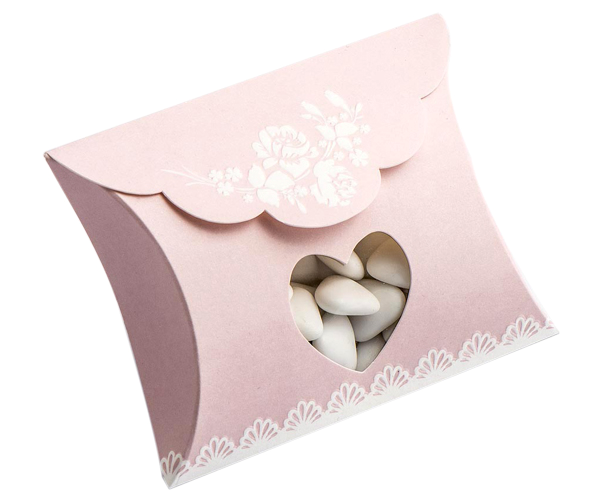
A pillow box is a single die-cut sheet of paperboard with a glued side seam and two curved, scored ends. It ships and stores completely flat. To assemble it, you push the sides gently so the body bows outward, then fold the curved flaps at each end inward until they meet. The result is a soft, rounded shape that looks a little like a small cushion, which is where the name comes from.
Because there are no separate lids, inserts or fasteners in the basic design, a pillow box takes seconds to put together and opens just as easily. That simplicity is the main reason these boxes turn up everywhere from wedding tables to jewelry counters.
Everyday ways pillow boxes make life easier
Gift wrapping without the wrapping paper
A pillow box replaces paper, tape and a lot of frustration. Slip in a scarf, a gift card, a bracelet or a handful of chocolates, close the ends, tie a ribbon around the middle and it is done. For holidays, birthdays and office gift swaps, a stack of flat boxes in a drawer means you are never scrambling for wrapping supplies. If you are pairing a small present with something larger, such as when you send flowers to someone special, a pillow box keeps the small item neat and easy to spot.
Party and wedding favors
Favors need to look consistent across dozens or hundreds of place settings, and they need to be assembled quickly. Pillow boxes solve both problems. Printed with names, a date or a simple monogram, they turn candies, seed packets, mini candles or small soaps into a finished favor that guests can carry home in a pocket or purse.
Retail display and small products
For small shops and online sellers, pillow boxes double as packaging and display. They stand neatly on a shelf, sit well in a basket at the checkout and fit easily into a mailer. Jewelry, hair accessories, cosmetics samples, socks, ties, soaps and small electronics accessories are all common fits. The rounded shape reads as “gift” to customers, which can help lift impulse purchases.
Light food items and treats
Bakeries and confectioners use pillow boxes for cookies, macarons, fudge and wrapped chocolates. For anything oily or moist, choose a food-safe grade of board or add a greaseproof liner, and keep the item individually wrapped where appropriate. A pillow box is a presentation and carrying solution; it is not an airtight container, so it suits treats that will be eaten within a few days.
Home organization
At home, sturdier pillow boxes are handy for sorting small things that otherwise drift around drawers: spare buttons, hair ties, earbuds, charging tips, or craft supplies. Label them by hand and they become a tidy, low-cost storage system.
Materials: choosing the right board
Pillow boxes can be made from several materials, each with trade-offs in look, strength and recyclability. Pillow Boxes from custom packaging suppliers are usually offered in a range of stocks and thicknesses, so it helps to know what each one is good for before you order.
| Material | Look and feel | Best for | Notes |
|---|---|---|---|
| Kraft paperboard | Natural brown, matte, rustic | Eco-minded brands, weddings, handmade goods | Widely recyclable; prints well in dark inks |
| White SBS paperboard | Smooth, bright white | Full-color printing, cosmetics, retail | Crisp graphics; recyclable when uncoated or lightly coated |
| Rigid or thicker cardstock | Firm, premium | Jewelry, higher-value gifts | More protection, slightly higher cost |
| Clear PET or PVC plastic | Fully transparent | Showing off colorful products | Less eco-friendly; check local recycling rules |
| Board with a die-cut window | Printed box with a clear panel | Sweets, soaps, small accessories | Balances branding with product visibility |
For most everyday uses, kraft or white paperboard is the sensible default: light, inexpensive to ship and easy to recycle in curbside programs, as long as heavy plastic lamination or glitter is kept to a minimum.
Sizes and what fits inside
Pillow boxes range from tiny ring and earring sizes to larger versions that can hold a folded T-shirt. Rather than guessing, measure the item’s length, width and thickness, then add a little clearance. Keep in mind that the curved ends take up space, so the usable interior is a bit smaller than the box’s outer length suggests.
- Small: rings, earrings, USB drives, gift cards, a few candies.
- Medium: bracelets, watches, soap bars, cosmetics, socks, neckties.
- Large: scarves, folded tops, bundles of treats, small gift sets.
Larger pillow boxes can be made with a cut-out or attached handle so they carry like a mini bag. That is useful at events and pop-up markets, where customers appreciate having their hands free.
Design and finishing options
Much of the “aesthetic” appeal comes from finishing. A plain kraft box with a stamped logo can look just as considered as a fully printed one. Common options include:
- Matte or gloss coating for a soft, understated feel or a bright, shiny look.
- Foil stamping in gold, silver or rose gold for logos and names.
- Embossing or debossing for a raised or pressed texture.
- Die-cut windows so the product can be seen without opening the box.
- Ribbons, twine, stickers or tags added by hand for a personal touch.
If you like the idea of packaging that becomes part of the brand story, the same thinking applies to other formats; this guide to one-of-a-kind packaging design covers color, typography and finishing choices that translate well to pillow boxes too.
Why small businesses like them
- Storage space: hundreds of flat boxes fit on a single shelf.
- Fast packing: no tape guns or tissue-folding routines.
- Lower shipping weight: paperboard adds little to the parcel.
- Branding on every order: a printed box is a small advertisement that often gets reused or photographed.
- Flexible order sizes: many suppliers offer relatively small minimum runs, which suits new or seasonal sellers.
One caution: a pillow box on its own is not a shipping carton. For mail orders, place the pillow box inside a padded mailer or small corrugated box so it arrives uncrushed.
How to assemble and fill a pillow box neatly
- Hold the flat box by its long edges and press gently toward the center so the body opens into a tube.
- Fold one curved end inward along the score lines, first one flap and then the other, so they overlap slightly.
- Insert the item through the open end, adding tissue or crinkle paper if it needs cushioning.
- Close the second end the same way. Add a ribbon, band or sticker if you want it to stay shut in transit.
If the flaps will not stay closed, the item is probably too thick for the box. Go up a size rather than forcing it, which can crack the score lines.
Sustainability tips
Pillow boxes can be among the more responsible packaging choices, provided you keep them simple. Choose kraft or recycled-content board, use water-based inks where available, avoid plastic lamination unless you need moisture resistance, and skip glitter. Encourage reuse by printing a subtle “keep me” message or designing a box attractive enough to store trinkets in. After use, flatten and place uncoated paperboard boxes in the recycling bin.
Frequently asked questions
Why is it called a pillow box?
When assembled, the sides bow outward and the curved ends fold in, giving the box a soft, rounded shape that resembles a small pillow or cushion.
Are pillow boxes eco-friendly?
Kraft and plain paperboard pillow boxes are generally recyclable and light to ship. Plastic versions, heavy lamination and glitter make them harder to recycle.
Can I put food in a pillow box?
Yes, for dry or wrapped treats such as cookies and chocolates. Use a food-safe board or a greaseproof liner for anything oily, and remember the box is not airtight.
Can pillow boxes be mailed on their own?
They are not designed as shipping cartons. Place them inside a padded mailer or small corrugated box to prevent crushing.
What size pillow box do I need?
Measure the item’s length, width and thickness and add some clearance, remembering that the curved ends reduce the usable interior length.