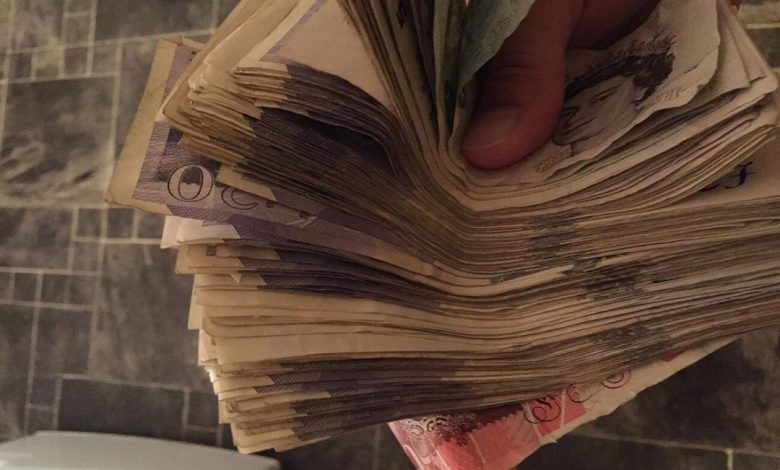
To make a wad of cash last, give every dollar a job before you spend any of it: set aside an emergency cushion, cover essential bills first, pay down high-interest debt, and split the rest into clearly limited spending categories. Keeping cash somewhere safe and slightly out of reach, tracking what you spend and cutting a few recurring costs will stretch it much further than trying to spend “carefully.” Whether the money came from a tax refund, a bonus, an inheritance or months of saving, the same steps apply.
Pause before you spend anything
A sudden stack of money creates pressure to use it. The most useful first step is to wait. Put the cash in a separate savings account, or at least a sealed envelope, and give yourself a week or two to plan. This cooling-off period reduces impulse purchases and gives you time to list what you actually need.
Your mindset matters too. Many people feel guilty or anxious about money and avoid looking at their finances. Try to treat money as a tool that serves specific goals, such as “three months of rent covered” or “credit card paid off by spring,” rather than a scorecard. Clear goals make it easier to say no to purchases that do not fit.
Example: splitting a $3,000 windfall
Here is one way someone with a small emergency fund and a credit card balance might divide $3,000. It is an illustration, not a rule: $1,000 to top up emergency savings, $1,200 toward the highest-interest card, $400 for an overdue car or home repair, and $400 kept as guilt-free spending. Writing a split like this down before the money is touched keeps it from disappearing into everyday purchases.
Keep large amounts of cash safe
Physical cash can be lost, stolen or destroyed in a fire or flood, and it earns nothing while it sits in a drawer. For amounts beyond a few weeks of spending money, consider:
- An FDIC-insured bank or NCUA-insured credit union account: deposits are protected up to $250,000 per depositor, per institution, per ownership category.
- A high-yield savings account: many online banks pay noticeably more interest than a standard checking account, which helps your cash keep pace with inflation.
- A separate account for each purpose: one for emergencies, one for bills, one for spending, so you do not accidentally dip into money set aside for rent.
If you prefer to spend in cash, keep only the amount you need for the next week or two at home and deposit the rest.
Build a simple budget
A budget is a plan that tells your money where to go before you spend it. Start by listing a month of expenses: rent or mortgage, utilities, groceries, transportation, insurance, debt payments, subscriptions and everything else. Bank and card statements make this easier. Then group expenses into categories and compare them with your income.
A popular starting framework is the 50/30/20 rule. It is a guideline, not a law, and you can adjust the percentages to fit your situation.
| Share of take-home pay | Category | Examples |
|---|---|---|
| About 50% | Needs | Housing, utilities, groceries, insurance, minimum debt payments, transportation |
| About 30% | Wants | Dining out, entertainment, hobbies, travel, streaming services |
| About 20% | Savings and extra debt payments | Emergency fund, retirement, paying off debt faster |
Try the envelope method for cash
If you are working with physical cash, the envelope system (sometimes called cash stuffing) is a simple way to stay on budget. Label envelopes for flexible categories such as groceries, gas, eating out and fun money, fill each with its monthly allowance, and spend only from the matching envelope. When an envelope is empty, that category is done for the month. Seeing the money shrink makes overspending much harder than swiping a card.
Set up an emergency fund first
Unexpected costs such as car repairs, medical bills or a gap between jobs are what usually drain a wad of cash fastest. Many financial planners suggest building an emergency fund equal to three to six months of essential expenses. If that feels out of reach, start with a smaller target, such as $500 to $1,000, and build from there. Keep this money in an easily accessible savings account and use it only for genuine emergencies. More from us: How Can a Recession Hurt Indians.
Tackle high-interest debt
Credit card interest rates are often around 20% or higher, which can wipe out any gains from saving. Once you have a basic emergency cushion, putting extra money toward high-interest debt is usually one of the best returns available. Two common methods:
- Debt avalanche: pay minimums on everything and put extra money on the debt with the highest interest rate. This saves the most interest over time.
- Debt snowball: pay minimums on everything and attack the smallest balance first. Quick wins can keep you motivated.
Either works if you stick with it. Refinancing can also lower what you pay on larger loans; our guide to auto refinancing in financial planning explains how that works for car loans.
Small habits that stretch your money
Small, repeated savings add up because they compound across every week of the year:
- Audit subscriptions: cancel streaming services, apps and memberships you rarely use.
- Cook more and pack lunch: meal planning cuts both grocery waste and takeout spending.
- Negotiate recurring bills: call your internet, phone and insurance providers and ask about cheaper plans or loyalty discounts.
- Use a 24-hour or 30-day rule: wait before buying anything that is not planned. Many urges pass.
- Cut transportation costs: combine errands, carpool or use public transit where practical.
Spend smarter on bigger purchases
- Comparison shop: check several retailers and price-tracking tools before buying.
- Time your purchases: appliances, electronics and furniture are often discounted during major holiday sales.
- Buy used or refurbished: furniture, tools, sports gear and many electronics can be found in good condition for far less.
- Pay for quality where it matters: a durable item that lasts years can cost less over time than cheap replacements.
- Negotiate when paying cash: private sellers and some small businesses will accept a lower price for cash.
Look for ways to add income
Making money last is easier when more is coming in. Options include freelancing or a side business built on skills you already have, selling unused items online, pet sitting or yard work in your neighborhood, and renting out a spare room where local rules and your lease allow it. Be cautious with paid surveys and “easy money” schemes; many pay very little, and some are scams. Our guide to building a sustainable online income covers realistic options. Remember that side income is usually taxable, so set some aside for taxes.
Put long-term money to work
Once your emergency fund is in place and high-interest debt is under control, money you will not need for five years or more can be invested for growth. Common starting points include workplace retirement plans (especially if your employer matches contributions), individual retirement accounts and low-cost diversified index funds. Investing always carries risk, and values can fall as well as rise, so match your choices to your time frame and comfort with ups and downs. A fee-only financial planner can help you build a plan if you are unsure where to start. Tracking your progress over time is easier when you understand the basics; our explainer on understanding net worth shows how to measure it.
Money mistakes that drain cash fastest
- Spending a windfall before making a plan.
- Paying avoidable fees, such as overdraft charges, late fees and ATM fees.
- Carrying a credit card balance from month to month.
- Lending large sums without a clear agreement.
- Upgrading your lifestyle permanently after a one-time windfall.
Review your budget every month and adjust as life changes. For more personal finance reading, you can also browse the Finance section on Writingley.
This article is general information, not financial advice. Consider speaking with a qualified financial professional about your specific situation.
Frequently asked questions
What does “wad of cash” mean?
A wad of cash is an informal term for a thick roll or stack of banknotes. People also use it more loosely to mean a large lump sum of money.
How much of my income should I save?
A common guideline is around 20% of take-home pay for savings and extra debt payments, but the right amount depends on your income, costs and goals. Saving something consistently matters more than hitting an exact number.
Should I pay off debt or save first?
Many planners suggest building a small emergency fund first, then focusing on high-interest debt such as credit cards, then growing savings further. Keep making minimum payments on every debt throughout.
Is it safe to keep a lot of cash at home?
Large amounts of cash at home can be lost, stolen or damaged and earn no interest. It is usually safer to keep most of it in an FDIC-insured bank or NCUA-insured credit union account.
How do I stick to a budget?
Set clear goals, automate savings transfers, use the envelope method or a budgeting app for flexible categories, and review your spending every month so you can adjust early.