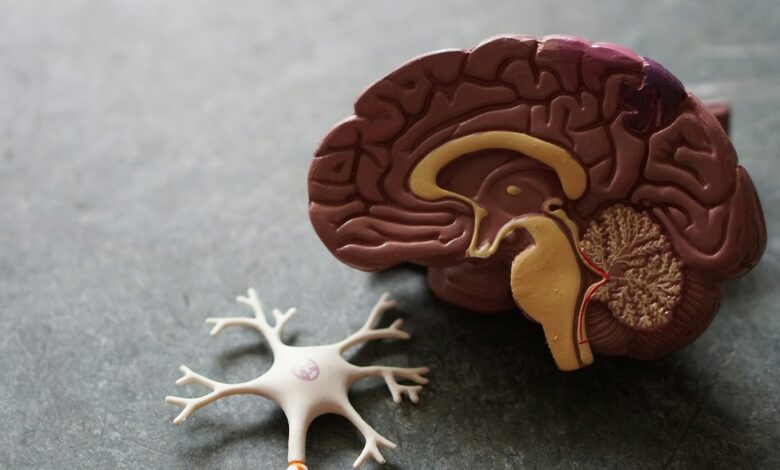
Living with a neurological condition such as Parkinson’s disease, multiple sclerosis, epilepsy, migraine, the effects of a stroke or early dementia often means rethinking everyday routines. The strategies that tend to help most are practical ones: a predictable daily structure, pacing your energy, staying physically active with the right guidance, making your home safer, and building a care team and support network you can lean on. This guide gathers those strategies in one place, with ideas you can discuss with your doctor, therapist or nurse and adapt to your own situation.
Why daily life changes with a neurological condition
Neurological conditions affect the brain, spinal cord and nerves, so symptoms can show up almost anywhere: movement, balance, memory, speech, vision, sensation, mood, sleep and bladder control. Many conditions also fluctuate, with good days and bad days, or times of day when medication is working well and times when it wears off. Research on living with neurological conditions highlights how much the day-to-day experience depends on self-management, communication with health professionals and support from others, not just on the diagnosis itself.
Build a routine that does the remembering for you
When memory, concentration or energy is unreliable, structure takes pressure off your brain. Useful habits include:
- One central calendar, on paper or a phone, for appointments, medication refills and tasks. Share it with a family member if that helps.
- Medication reminders using phone alarms, a smart speaker or a pill organizer with compartments for each time of day. For conditions like Parkinson’s, where timing can affect symptom control, ask your care team how precise the schedule needs to be.
- A “home base” for keys, glasses, phone and wallet so they are always in the same spot.
- Checklists by the door for leaving the house, and step-by-step notes for tasks that have become harder.
- Breaking big jobs into small steps, and doing one at a time.
If memory changes are a main concern, our overview of the different types of dementia-related disorders explains how these conditions differ and why an accurate diagnosis matters.
Managing movement and balance
Movement disorders such as Parkinson’s disease, essential tremor and dystonia, as well as conditions like MS and stroke, can make walking, dressing and fine hand tasks harder. Helpful approaches include:
- Regular exercise such as walking, stationary cycling, swimming, tai chi or programs designed for your condition. Exercise is widely recommended for people with Parkinson’s to help mobility and balance. Ask your doctor or a physical therapist what is safe for you.
- Physical therapy for strength, gait and balance training, and fall prevention.
- Occupational therapy for practical adaptations: easier ways to dress, cook, write and use devices. Simple exercises like those in our guide to natural hand-strengthening therapies may complement this, with your therapist’s approval.
- Mobility aids such as a cane, walker or rollator, properly fitted by a therapist.
- Speech-language therapy if speech becomes quieter or swallowing gets harder.
For some people, medication alone does not control symptoms well. Deep brain stimulation (DBS), in which electrodes are implanted in specific areas of the brain and connected to a pacemaker-like device, is an established option for treating movement disorders such as Parkinson’s disease, essential tremor and dystonia in carefully selected patients. It does not cure the condition, and it is not suitable for everyone, so it is a decision made with a specialist neurology and neurosurgery team.
Make your home safer and easier
| Area | Changes worth considering |
|---|---|
| Floors and hallways | Remove loose rugs and clutter, tape down cords, add night lights |
| Bathroom | Grab bars, non-slip mats, shower chair, raised toilet seat |
| Stairs | Sturdy handrails on both sides, good lighting, contrasting tape on step edges |
| Kitchen | Keep everyday items between waist and shoulder height, use lightweight cookware |
| Bedroom | Bed at a height that makes standing easy, lamp or light switch within reach |
| Technology | Medical alert device, smart speaker for reminders and calls, video doorbell |
An occupational therapist can do a home assessment and recommend changes tailored to your symptoms. For people with epilepsy, safety planning may also include showering rather than bathing, padding sharp furniture corners and agreeing a written seizure action plan with family, school or work.
Pacing your energy and managing fatigue
Fatigue is one of the most common and least visible symptoms, particularly in MS, Parkinson’s and after stroke or brain injury. It is not the same as ordinary tiredness, and pushing through often makes the next day worse. Strategies that many people find useful:
- Plan, prioritize, pace: schedule demanding tasks for your best time of day and spread them across the week.
- Rest before you crash: short, planned breaks work better than collapsing after overdoing it.
- Sit to do tasks such as chopping vegetables or grooming where possible.
- Delegate heavy chores or errands to family, friends or paid help.
- Watch the heat: many people with MS find symptoms temporarily worsen in hot weather or after a hot shower, so cooling strategies can help.
Sleep problems are common with neurological conditions and make fatigue worse. A regular sleep schedule and a calm wind-down routine help; our tips to fall asleep better cover the basics. Tell your doctor about snoring, acting out dreams, restless legs or frequent night waking, because these can be treatable.
Eating, drinking and medication
- Aim for a balanced diet with vegetables, fruit, whole grains, lean protein and healthy fats. A dietitian can help if you have weight changes, constipation or swallowing difficulties.
- Drink enough fluids through the day. Some people cut back on drinking because of bladder urgency; talk to your doctor instead, since dehydration can worsen dizziness, constipation and confusion.
- Ask whether food timing affects your medications. For example, some Parkinson’s medications may be affected by protein-rich meals, and your team can advise on timing.
- Limit alcohol, which can interact with many medications and affect balance and seizure threshold.
- Keep an up-to-date medication list in your wallet or phone for appointments and emergencies.
Emotional health and relationships
Depression and anxiety are common with neurological conditions, sometimes as a reaction to the diagnosis and sometimes as part of the condition itself. They are treatable and worth raising at appointments. Options include counseling or psychotherapy, medication where appropriate, support groups (in person or online, often run by condition-specific charities), and simple stress management tools such as breathing exercises, mindfulness and time outdoors.
Be open with family and friends about what helps and what does not. Many people want to help but do not know how, and a specific request (“Could you drive me to physical therapy on Tuesdays?”) is easier to act on than a general one.
Working with your care team
- Keep a symptom diary noting changes, falls, seizures, medication timing and side effects. Bring it to appointments.
- Write your top three questions before each visit, and bring a companion to take notes if you can.
- Ask for referrals to physical, occupational and speech therapy, and to specialist nurses where available.
- Ask about driving, work adjustments and legal or financial planning early, while you have time to prepare.
Support for caregivers
Family caregivers carry a lot, often quietly. Respite care, caregiver support groups and sharing tasks among relatives reduce burnout. Caregivers should look after their own health and sleep too, because that is what makes long-term support possible. More wellbeing articles are in our Health category.
When to get help urgently
Call 911 for signs of stroke (sudden face drooping, arm weakness or speech difficulty), a seizure lasting more than about five minutes or seizures one after another, a serious fall or head injury, or sudden severe headache. Contact your doctor promptly about new or rapidly worsening symptoms.
This article is general information, not medical advice. Always talk to your doctor or care team about your own condition and treatment.
Frequently asked questions
What are common neurological conditions?
Examples include migraine, epilepsy, stroke, Parkinson’s disease, multiple sclerosis, dementia, neuropathy and essential tremor.
Does exercise help with Parkinson’s disease?
Regular exercise is widely recommended to support mobility, balance and wellbeing. Ask your doctor or physical therapist which activities are safe for you.
How can I manage fatigue from a neurological condition?
Pace activities, plan demanding tasks for your best time of day, take short planned rests, delegate where possible and address sleep problems with your doctor.
What is deep brain stimulation used for?
It is used for selected patients with movement disorders such as Parkinson’s disease, essential tremor and dystonia when medication does not control symptoms well. It does not cure the condition.
Who can help me adapt my home?
An occupational therapist can assess your home and recommend changes such as grab bars, better lighting, mobility aids and easier ways to do daily tasks.