
The best destination for a post-COVID holiday is one that matches what you missed most during the pandemic years: open space and nature (New Zealand, Iceland, Canada’s Rockies), a slow beach reset (Portugal’s Algarve, Bali, Fiji), or culture and food (Japan, Spain, Mexico City). Travel is now fully back, which means the real challenge in 2026 is not restrictions but crowds, prices and planning. Below are 12 destinations worth considering, who each one suits, and how to choose between them.
How travel has changed since the pandemic
Most COVID-era entry rules are gone, but the pandemic left a few lasting shifts that affect where and how you go:
- Demand came back hard. Popular cities and islands are busier than before, and some, such as Venice, Barcelona and parts of Bali, have introduced tourist fees or visitor management measures.
- Flexible bookings are more common. Many airlines and hotels still offer changeable fares, which makes it easier to book early without locking yourself in.
- Longer trips are more practical. Remote and hybrid work means more people combine work and travel, which favors destinations with reliable internet and good long-stay rentals.
- Entry paperwork has moved online. Several countries now require electronic travel authorizations, and the EU’s ETIAS system for visa-exempt visitors has been planned for some time. Check the rules for your passport before you book.
For U.S. travelers, the State Department’s country pages are the most reliable starting point for current entry requirements, safety advisories and health notes.
12 destinations for a great post-pandemic holiday
1. New Zealand
If the lockdown years left you craving space, New Zealand delivers it. The South Island’s fjords, glaciers and lakes suit a campervan road trip, while the North Island adds geothermal areas around Rotorua and Maori cultural experiences. It is a long flight from the U.S., so it rewards trips of two weeks or more. Visitors from visa-waiver countries need an NZeTA before travel.
2. Australia
Australia combines easy-going cities (Sydney, Melbourne, Adelaide) with reef diving, outback landscapes and wine regions. Distances are huge, so pick one or two regions rather than trying to see everything. U.S. visitors need an ETA or eVisitor authorization.
3. Japan
Japan has become one of the most in-demand destinations since it reopened. Tokyo and Kyoto are busy, so consider adding quieter places such as Kanazawa, Takayama or the island of Shikoku. Rail travel is efficient, food is excellent at every budget, and the country is known for being clean and safe. Book popular accommodation well ahead for cherry blossom season in spring and fall foliage season.
4. Spain
Spain suits almost everyone: architecture in Barcelona and Seville, museums in Madrid, beaches along the Costa del Sol and islands such as Mallorca and the Canaries. Summer heat in the south can be intense, so spring and fall are often more comfortable and less crowded.
5. Iceland
Iceland is compact enough for a week-long self-drive trip around the Ring Road. Expect waterfalls, black-sand beaches, glaciers and hot springs, plus northern lights in the darker months. It is expensive, so budget travelers often self-cater. Volcanic activity on the Reykjanes Peninsula has affected some areas in recent years, so check local updates before you go.
6. The Maldives
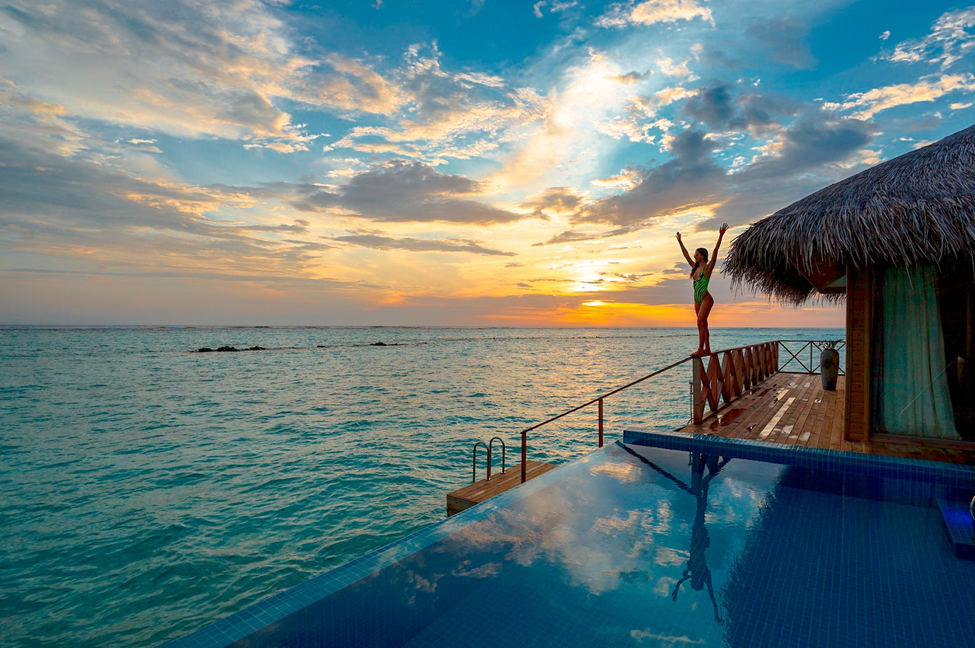
For a pure rest-and-recover trip, the Maldives is hard to beat: overwater villas, clear lagoons and excellent snorkeling. Luxury resorts dominate, but guesthouses on local islands offer a cheaper way to visit. Keep in mind that local islands follow conservative customs, while resorts operate more like private enclaves.
7. The Caribbean
Short flights from the East Coast make the Caribbean ideal for a quick reset. Each island is different: Aruba is dry and reliably sunny, St. Lucia is mountainous and romantic, and the U.S. Virgin Islands let American citizens travel without a passport. Hurricane season runs from June through November, so check cancellation terms and consider travel insurance. You might also like Why Nairobi Is a Great Attraction for Pakistani Citizens.
8. Maui, Hawaii
Maui offers beaches, the Road to Hana, sunrise at Haleakala and whale watching in winter. After the 2023 Lahaina wildfire, travelers are asked to be respectful of affected communities. Visiting open areas and spending with local businesses supports recovery, while treating disaster zones as sightseeing spots does not.
9. South Africa
South Africa packs in safaris, Cape Town, Table Mountain, the Winelands and the Garden Route. The exchange rate often makes it good value for U.S. travelers. Plan routes carefully, follow local advice on safety, and book reputable operators for game drives.
10. Bali, Indonesia
Bali mixes surf beaches, rice terraces, temples and yoga retreats. The south (Canggu, Seminyak) is busy; Ubud is the cultural center; the north and east are quieter. Bali introduced a tourist levy for international visitors in 2024, so budget for it along with your visa on arrival.
11. Thailand
Thailand remains one of the best-value destinations for food, beaches and culture. Combine Bangkok’s markets and temples with Chiang Mai in the north and islands such as Koh Lanta or Koh Samui. The rainy season varies by coast, so check the season for the specific islands you want.
12. Fiji
Fiji is a laid-back South Pacific option with white-sand beaches, coral reefs and family-friendly resorts. The Mamanuca and Yasawa island groups are easy to reach from Nadi, and many resorts run kids’ clubs, which makes Fiji popular with families.
Quick comparison
| Destination | Best for | Relative cost | Ideal length |
|---|---|---|---|
| New Zealand | Road trips, hiking | High | 2 to 3 weeks |
| Australia | Cities, reef, wildlife | High | 2 weeks or more |
| Japan | Food, culture, rail travel | Medium to high | 10 to 14 days |
| Spain | Cities, beaches, food | Medium | 7 to 14 days |
| Iceland | Landscapes, northern lights | High | 5 to 10 days |
| Maldives | Rest, snorkeling | High (guesthouses lower) | 5 to 7 days |
| Caribbean | Short beach breaks | Medium to high | 4 to 7 days |
| Maui | Beaches, nature | High | 5 to 10 days |
| South Africa | Safari, scenery | Medium | 10 to 14 days |
| Bali | Wellness, surf, culture | Low to medium | 7 to 14 days |
| Thailand | Food, islands, value | Low to medium | 10 to 21 days |
| Fiji | Families, beaches | Medium to high | 7 to 10 days |
Not every restorative trip needs a passport. If you would rather stay closer to home, our guides to the best vacation spots in New York and the city’s famous tourist spots cover strong domestic options, and Europe fans can look at these Instagrammable places in Switzerland.
How to choose the right destination
Start with the purpose of the trip
Decide whether you want rest, adventure, culture or a mix. A trip meant to recharge works best with fewer moves: one or two bases rather than a new hotel every night. If you are a vlogger or content creator documenting the trip, a visually striking destination with varied scenery will give you more material. Plan time to edit and convert your videos into formats and lengths that suit each platform, since raw footage from a phone or action camera is rarely ready to post.
Check safety and health information
Read the current travel advisory, check the CDC’s destination page for recommended vaccines, and look at local healthcare access if you have a medical condition. Travel insurance that covers medical care and evacuation is worth considering for remote or long-haul destinations.
Match the season to the place
The same destination can be wonderful or miserable depending on the month. Southern Hemisphere places (New Zealand, Australia, South Africa) have summer during the U.S. winter. Tropical destinations have wet and dry seasons that vary by region. Shoulder seasons, the months just before and after peak, often give you decent weather with lower prices and fewer crowds.
Be realistic about budget
Flights are only part of the cost. Add accommodation, local transport, food, activities, tourist taxes and insurance. Long-haul destinations with low daily costs, such as Thailand or Bali, can end up cheaper overall than a short trip to an expensive place, especially if you stay longer.
Planning checklist
- Confirm your passport is valid for at least six months beyond your return date, which many countries require.
- Apply for any electronic travel authorization well before departure, using only official government websites.
- Book flexible fares or refundable rooms where the price difference is small.
- Enroll in the State Department’s Smart Traveler Enrollment Program (STEP) for alerts.
- Tell your bank you are traveling and carry a card without foreign transaction fees.
Frequently asked questions
Are there still COVID travel restrictions?
Most countries have dropped pandemic-era entry rules, but requirements can change. Check the official government or State Department page for your destination shortly before you travel.
What is the most relaxing destination on this list?
The Maldives and Fiji are the most purely restful, since most stays revolve around one resort and the beach. Bali is a good choice if you also want wellness activities and culture.
Which destination is best on a budget?
Thailand and Bali usually offer the lowest daily costs for food, lodging and transport. Flights from the U.S. are long, so the savings grow the longer you stay.
Do I need travel insurance?
It is not always required, but it is worth considering for long-haul trips, expensive prepaid bookings and destinations where medical care is costly or far away.
When should I book?
For peak seasons such as cherry blossom time in Japan or winter in the Caribbean, book several months ahead. For shoulder seasons you can usually book closer to departure.


