Dental splints and veneers are two very different treatments. A dental splint either holds loose or injured teeth together while they stabilize, or, in the case of an occlusal splint (night guard), protects your teeth and jaw from grinding and clenching. A veneer is a thin, tooth-colored shell of porcelain or composite resin bonded to the front of a tooth to change how it looks. Splints are mainly functional and often temporary, while veneers are cosmetic and long-lasting. This guide explains how each works, who they suit, what they typically cost in the US and how to decide what you need.
What is a dental splint?
“Dental splint” is a broad term, and dentists use it for two main types of appliance. Knowing which one you are being offered makes it much easier to understand the treatment plan.
Stabilizing (periodontal or trauma) splints
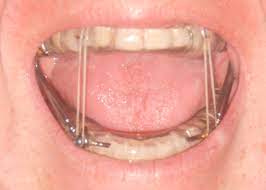
These splints join a loose tooth to its healthier neighbors so the group acts as a single unit. They are commonly used after a knock to the mouth has loosened or displaced a tooth, or when gum disease has reduced the bone support around teeth. The dentist typically bonds a thin wire, fiber-reinforced strip or composite material to the back or front surfaces of the teeth. After trauma, a splint is often left in place for a few weeks while the supporting tissues heal, although the exact time depends on the injury. Periodontal splints for gum disease may stay longer as part of broader gum treatment.
Occlusal splints and night guards
An occlusal splint is a removable, custom-fitted tray, usually made of hard or dual-layer acrylic, that covers the biting surfaces of the upper or lower teeth. It is most often prescribed for bruxism (grinding or clenching, frequently during sleep) and for some jaw joint problems known as temporomandibular disorders (TMD). The splint does not stop grinding, but it takes the wear instead of your enamel and can reduce strain on the jaw muscles. People with veneers or crowns are often advised to wear one at night to protect the restorations.
What are dental veneers?
Veneers are thin, custom-made shells that cover the front surface of teeth. They are used to improve the appearance of teeth that are stained, chipped, worn, slightly crooked, unevenly sized or spaced. They do not fix a bad bite or replace missing teeth, and they are not a treatment for loose teeth.
- Porcelain veneers are made in a dental lab (or milled in-office) and bonded to teeth. They resist staining well and can last many years with good care, often a decade or longer.
- Composite veneers are made from tooth-colored resin, often sculpted directly on the tooth in one visit. They cost less and are easier to repair but tend to stain and chip sooner.
Traditional porcelain veneers usually require removing a thin layer of enamel so the veneer sits flush. Because enamel does not grow back, this step is generally considered irreversible, and the tooth will need some form of covering for life. Some “minimal prep” or “no prep” veneers remove little or no enamel but are only suitable in certain cases.
Splints vs veneers at a glance
| Feature | Dental splint | Dental veneer |
|---|---|---|
| Main purpose | Stabilize loose teeth or protect against grinding | Improve the look of front teeth |
| Removable? | Occlusal splints yes; stabilizing splints no | No, bonded permanently |
| Typical duration | Weeks to months for trauma splints; nightly wear for night guards | Many years, then replacement |
| Tooth preparation | Little or none | Often some enamel removed |
| Often covered by insurance? | Sometimes, when medically necessary | Rarely, as it is usually cosmetic |
How the procedures work
Getting a splint
For a stabilizing splint, the dentist cleans and repositions the teeth if needed, then bonds the splinting material across them in a single visit, often with an X-ray before and after. Follow-up visits check healing, and the splint is removed once the teeth are stable. For a night guard, the dentist takes impressions or a digital scan, a lab makes the appliance, and you return for a fitting and bite adjustment. Over-the-counter boil-and-bite guards exist, but a custom splint fits more precisely and is usually more comfortable for long-term use.
Getting veneers
- Consultation: the dentist checks gum health, decay and bite, and discusses the look you want. Many offices show a digital preview or a trial “mock-up”.
- Preparation: a thin layer of enamel is removed if needed, and impressions or scans are taken. Temporary veneers may be placed.
- Bonding: at a second visit, the final veneers are tried in, adjusted for color and fit, then bonded with dental cement and hardened with a curing light.
Some people compare veneers with crowns before deciding. A crown covers the whole tooth and is better suited to teeth with large fillings or significant damage. Our guide to porcelain veneers vs dental crowns explains that choice in more detail.
How much do splints and veneers cost?
Prices vary widely by city, the dentist’s experience, lab fees and how many teeth are treated, so treat these as rough US ranges rather than quotes:
- Porcelain veneers: commonly around $900 to $2,500 per tooth, sometimes more in high-cost areas.
- Composite veneers: often in the range of $250 to $1,500 per tooth.
- Custom night guard (occlusal splint): frequently a few hundred dollars up to around $1,000, depending on the material and whether it is for TMD treatment.
- Stabilizing splint after trauma: varies with the number of teeth and follow-up care, and is more likely to be partly covered by dental insurance.
A set of six to eight upper front veneers, which is a common “smile makeover”, can therefore add up to many thousands of dollars. If you are comparing practices, this page on veneers costs from a cosmetic dental practice outlines what goes into porcelain veneer pricing and what to ask at a consultation. Always request a written treatment plan that lists the number of teeth, the material, and whether temporaries and follow-up adjustments are included.
Benefits and drawbacks
Splints
- Pros: can help save a loosened tooth, protect enamel and restorations from grinding, and relieve some jaw discomfort.
- Cons: bonded splints make flossing harder and need careful cleaning; night guards take getting used to and must be cleaned daily and replaced when worn.
Veneers
- Pros: natural-looking results, strong stain resistance for porcelain, and the ability to change color, shape and minor spacing in one treatment.
- Cons: high cost, usually permanent enamel removal, possible temporary sensitivity, and the chance of chips or debonding, especially in people who grind.
Who is a good candidate?
You may need a splint if a tooth feels loose after an injury, if your dentist sees signs of grinding such as flattened or chipped edges, or if you wake with jaw pain or headaches. Any tooth that has been knocked loose or out should be seen by a dentist as soon as possible, ideally the same day.
Veneers suit adults with healthy gums and enough enamel who want to change the look of front teeth. They are not ideal if you have untreated decay, active gum disease or severe grinding that is not controlled. If your main concern is color, professional whitening may be a simpler, cheaper first step; see our overview of teeth whitening services. Keep in mind that whitening does not change the shade of existing veneers, so it is best done before veneers are matched.
Caring for splints and veneers
- Brush twice a day with a soft brush and non-abrasive toothpaste, and clean under bonded splints with floss threaders or small interdental brushes.
- Rinse and brush a removable night guard each morning, let it dry and store it in its case away from heat and pets.
- Avoid biting hard objects such as ice, pens or bottle caps, which can crack porcelain.
- Wear a sports mouthguard during contact sports and a night guard if you grind.
- Keep regular checkups so your dentist can spot wear, loose bonding or gum changes early.
This article is general information, not medical or dental advice. Speak with a licensed dentist about your own teeth and treatment options.
Frequently asked questions
Are dental splints and veneers the same thing?
No. Splints stabilize loose teeth or protect teeth from grinding, while veneers are thin shells bonded to the front of teeth to improve their appearance.
How long do veneers last?
Porcelain veneers often last a decade or longer with good care, while composite veneers usually need repair or replacement sooner.
How long do you wear a splint after a tooth injury?
It depends on the injury. Many trauma splints stay on for a few weeks, but your dentist sets the timing based on X-rays and how the tooth heals.
Can I get veneers if I grind my teeth?
Sometimes, but grinding raises the risk of chipping. Dentists often recommend treating the grinding first and wearing a night guard after veneers are placed.
Does insurance cover veneers or splints?
Veneers are usually considered cosmetic and rarely covered. Splints may be partly covered when they are medically necessary, so check your plan.