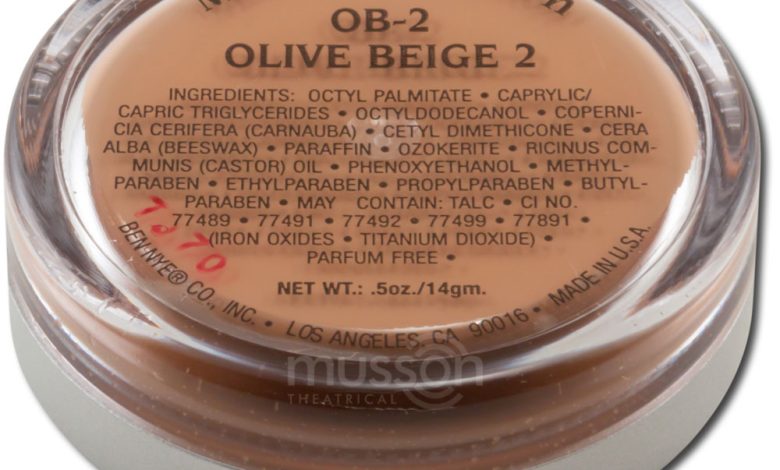
Mineral foundation is makeup built mainly on finely milled minerals such as zinc oxide, titanium dioxide, iron oxides and mica, usually without talc, fragrance or heavy oils. It tends to feel lighter than many traditional formulas, suits a wide range of skin types, and is often a good pick for sensitive or breakout-prone skin. It is not magic, though: results depend on the specific product, your skin and how you apply it. Here is what mineral foundation does well, where it falls short and how to get a smooth finish.
What makes a foundation “mineral”
There is no legal definition of “mineral makeup” in the United States, so the label means different things from brand to brand. In general, a mineral foundation relies on inorganic pigments for color and coverage. The most common ingredients are:
- Zinc oxide: provides coverage and is a mineral UV filter. It is also known for being gentle on irritated skin.
- Titanium dioxide: adds opacity and is the other common mineral sunscreen filter.
- Iron oxides: the pigments that create skin-tone shades, from very fair to deep.
- Mica: gives a soft glow or luminous finish.
- Bismuth oxychloride: found in some powders for a silky feel and sheen. A minority of people find it itchy, so it is worth avoiding if you react to it.
Because “mineral” is a marketing term, read the full ingredient list rather than trusting the front of the package. A product can call itself mineral and still include fragrance, talc or preservatives that bother some skin.
Why people switch to mineral foundation
A lighter feel with buildable coverage
Mineral pigments are dense, so a small amount goes a long way. Loose powders in particular go on sheer and can be layered thin coat by thin coat, which gives medium coverage without the heavy, masklike feel some full-coverage liquids have. If you need to hide redness or dark spots, you can press an extra layer only where it is needed.
Often gentler on sensitive skin
Many mineral foundations have short ingredient lists and leave out common irritants like fragrance and certain preservatives. That is why they are frequently recommended for people with sensitive skin or rosacea. Still, “gentle” is not a guarantee. Anyone can react to any ingredient, so patch test a new product on your jawline for a few days before wearing it all over.
A reasonable choice for breakout-prone skin
Formulas without heavy oils and waxes are less likely to clog pores, and zinc oxide has a calming reputation. Look for “non-comedogenic” on the label, though that term is also not tightly regulated. Makeup alone will not cause or cure acne; cleansing well at night and washing brushes weekly matter just as much.
Some built-in sun protection
Because zinc oxide and titanium dioxide are sunscreen filters, many mineral foundations carry an SPF rating. Be realistic about it, though. To get the SPF on the label you would need to apply far more powder than anyone actually wears. Dermatologists generally advise wearing a dedicated broad-spectrum sunscreen of SPF 30 or higher underneath and treating the foundation’s SPF as a bonus.
Good wear time with the right prep
Powders absorb some oil through the day, which helps them stay put on normal to oily skin. A primer or a light setting spray can extend wear further, especially in heat and humidity.
Where mineral foundation falls short
- Dry or mature skin: powder can cling to dry patches and settle into fine lines. A liquid or cream mineral formula over good moisturizer usually works better.
- Flashback in photos: high levels of zinc oxide or titanium dioxide can look white or ashy under camera flash.
- Shade matching on deeper skin tones: white mineral filters can leave a grayish cast if the shade is not formulated well. Swatch on your jaw in daylight.
- Mess: loose powder spills easily. Pressed powders and liquids are easier to travel with.
Choosing the right format for your skin type
| Skin type | Best format | Finish to look for | Tip |
|---|---|---|---|
| Oily | Loose or pressed powder | Matte or satin | Blot midday instead of adding more powder |
| Dry | Liquid or cream mineral formula | Dewy or natural | Moisturize and wait a few minutes before applying |
| Combination | Pressed powder or light liquid | Natural | Use powder on the T-zone only |
| Sensitive | Loose powder with a short ingredient list | Natural | Choose fragrance-free and patch test first |
| Mature | Liquid or serum foundation | Satin or luminous | Apply thin layers and avoid heavy setting powder |
How to apply mineral foundation for a smooth finish
- Prep: cleanse, moisturize and apply sunscreen. Give it five minutes to settle so the powder does not turn patchy.
- Load lightly: tap a small amount of powder into the jar lid, swirl a dense kabuki or flat-top brush in it and tap off the excess.
- Buff in circles: start at the center of the face, where most people need coverage, and work outward in small circles.
- Build where needed: press a second thin layer over redness or spots with a smaller brush rather than adding a thick layer everywhere.
- Set: mist with a setting spray or facial water to melt the powder into the skin and remove any dusty look.
Wash brushes at least once a week with gentle soap, since old oil and bacteria in bristles can undo the benefit of a clean formula. Finishing the look with defined brows makes even minimal base makeup look polished; see our guide on professional brow styling for ideas.
Reading the box before you buy
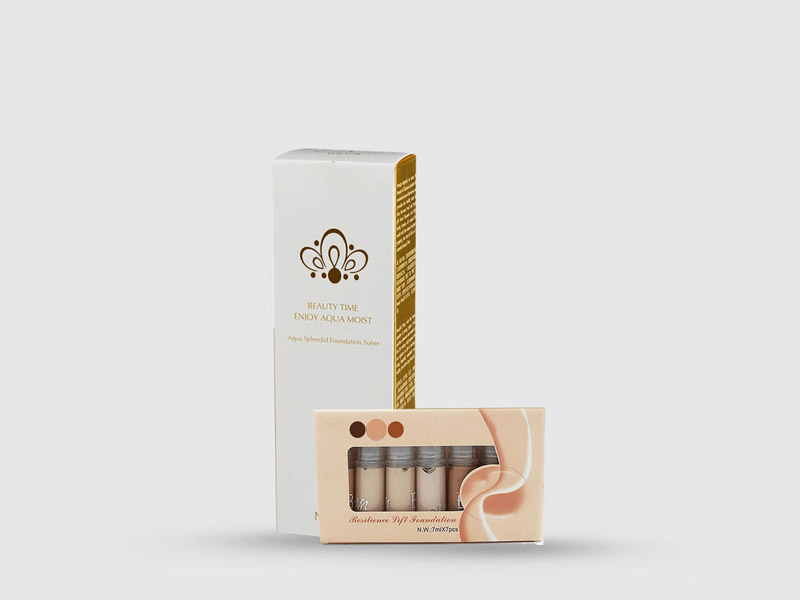
Shopping for foundation is easier when you know what to look for on the packaging. Walk down a cosmetics aisle and you will see a wall of custom foundation boxes, each designed to catch your eye. Look past the branding and check a few details on the back:
- The full ingredient list, with mineral pigments near the top
- Whether it is fragrance-free if your skin is reactive
- Broad-spectrum SPF claims and the active ingredient percentages
- The period-after-opening symbol (such as “12M”), which tells you how long the product lasts once opened
- Shade descriptions that mention undertone (cool, warm or neutral)
Clear, honest packaging is a good sign about a brand overall. If the box highlights “clean” or “natural” without backing it up in the ingredient list, be skeptical. Many brands also offer sample sizes, which are the cheapest way to test shade and feel before committing to a full-size jar.
Mineral foundation vs. traditional liquid foundation
Traditional liquid foundations usually combine pigments with water, silicones, oils and film formers. That gives them excellent blendability and a skin-like finish, and many offer long wear and full coverage in one layer. The tradeoff is a longer ingredient list, which can include fragrance or oils that some people react to. Mineral powders are simpler and lighter but can look dry on parched skin.
Many people end up using both: a mineral powder on hot, humid or busy days, and a hydrating liquid in dry winter months or for events where they want more coverage. You can also dust a thin layer of mineral powder over liquid foundation to set it and cut shine, which is a simple way to try minerals without replacing your whole routine.
Price range and value
Mineral foundations are sold everywhere from drugstores to department store counters. Drugstore options are often priced somewhere in the $10 to $20 range, while prestige brands can run several times that. Because powders are applied in thin layers, a single jar often lasts a few months of daily use, which helps offset a higher price. More expensive does not always mean better; many dermatologist-recommended options are affordable.
A good base is only one part of a routine. If you are putting together a quick morning look, our review of the best hair dryer brush can help you speed up the hair side of getting ready.
Frequently asked questions
Is mineral foundation better for your skin?
It can be gentler for many people because formulas often skip fragrance, heavy oils and talc. It is not automatically better for everyone, so check the ingredient list and patch test.
Can mineral foundation replace sunscreen?
No. Most people apply far too little powder to get the SPF on the label. Wear a broad-spectrum sunscreen of SPF 30 or higher underneath.
Is mineral foundation good for acne-prone skin?
Often, yes. Oil-free, non-comedogenic mineral powders are less likely to clog pores. Clean brushes and removing makeup every night matter just as much.
Why does my mineral foundation look cakey?
Usually too much product, dry skin underneath or applying over moisturizer that has not absorbed. Use less, buff in thin layers and finish with a setting spray.
How long does mineral foundation last once opened?
Powders often last 12 to 24 months after opening, and liquids less. Check the period-after-opening symbol on the box and toss anything that smells or looks off.