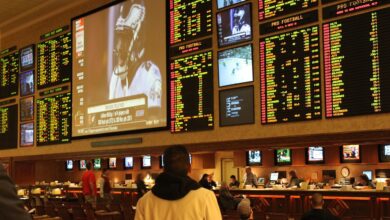
Online sports betting continues to grow rapidly in popularity, fueled by the widespread availability of user-friendly websites and mobile apps. If you’re new to sports betting, the process may seem overwhelming initially, but getting started is easier than you might think. This comprehensive guide will introduce you to the essentials, including how to place your first bet, key factors to consider, and best practices for maintaining a safe and enjoyable betting experience. Many beginners choose reputable platforms like 22Bet, where creating a 22Bet login is your first step to explore exciting betting options and secure transactions.
One thing to understand before anything else: betting is entertainment that costs money, not a way to make money. Most bettors lose over time, because the odds are set so the bookmaker keeps a margin. The goal of this guide is to help you enjoy the experience without letting it damage your finances.
What Is Sports Betting?
Sports betting involves placing wagers on the outcome of sporting events. This could range from predicting the winner of a football match to forecasting the total points scored by a basketball player. If your prediction is correct, you win money based on the odds; if not, you lose the amount you staked. The concept is straightforward, making sports betting an accessible and entertaining activity for many enthusiasts.
The most common bet types for beginners are:
- Moneyline / match winner: simply pick which team or player will win.
- Point spread: bet on whether a team will win by more than a set margin, or lose by less than it.
- Totals (over/under): bet on whether the combined score will be above or below a number set by the bookmaker.
- Prop bets: wagers on specific events within a game, such as who scores first or how many goals a player gets.
- Accumulators (parlays): several bets combined into one; all must win for the bet to pay out, so the odds are higher and so is the risk.
Start with moneyline and totals. They are the easiest to understand, and they make it simple to see exactly what you stand to win or lose.
Choosing a Betting Site
With numerous betting platforms available today, selecting the right one is crucial. Focus on sites that offer a user-friendly interface, responsive customer support, and attractive bonuses for new users. Ensure the platform is fully licensed and utilizes robust security measures to protect your information. Checking reviews and ratings from other bettors can also help inform your choice. Once you have selected a reliable site, signing up and creating an account usually takes just a few minutes.
Use this checklist before you deposit anything:
- Licence: is the site licensed by a recognised regulator in your jurisdiction? If you cannot find licence details, do not deposit.
- Legal age and location: are you of legal betting age where you live, and is online betting legal there? Rules vary widely by country and region.
- Payment options: does it offer payment methods you trust, such as cards, bank transfer or established e-wallets?
- Withdrawal terms: how long do withdrawals take, and are there fees or minimum amounts?
- Bonus terms: welcome bonuses almost always come with wagering requirements — read them before accepting, because a “free” bonus can lock up your deposit until you have bet many times its value.
- Responsible gambling tools: does the site offer deposit limits, time limits, self-exclusion and reality checks? A site without them is a red flag.
Understanding Odds
Odds represent the probability of an event happening and determine how much you can win from your bet. For example, with decimal odds of 2.00, a $10 bet would return $20 if successful. Higher odds imply greater risk but also the potential for higher rewards. Most modern betting sites offer odds in various formats — decimal, fractional, or American — to cater to users’ preferences, often providing detailed explanations to help beginners understand how odds work.
| Format | Example | What it means |
|---|---|---|
| Decimal | 2.00 | A $10 stake returns $20 ($10 profit + $10 stake) |
| Fractional | 1/1 | You win $1 for every $1 staked |
| American | +100 | You win $100 on a $100 stake |
Lower odds mean the outcome is more likely but the reward is smaller; higher odds mean a bigger reward but more risk. The odds also include the bookmaker’s margin, which is why the implied probabilities of all outcomes in a market add up to more than 100%. That margin is how the bookmaker makes money, and it is why beating the odds consistently is so hard.
Making Your First Bet
Once your account is set up, fund it using popular payment methods such as credit or debit cards, bank transfers, or e-wallets like PayPal or Skrill. Then follow these steps:
- Choose a sport and event that interests you — ideally one you already follow and understand.
- Select the specific outcome you want to bet on, and check the odds.
- Enter your stake amount — start small.
- Review the bet slip carefully, including the potential payout, and confirm your bet.
It’s that simple to place your first online sports bet and join the exciting world of sports wagering. Keep the stake small on your first bets. You are paying to learn how the platform works, not to make money.
Tips for Beginners
- Start small: Begin with low stakes to familiarize yourself with how betting works without significant risk.
- Do your research: Understanding teams, players, and current form improves your chances of making informed bets. A bet on a team you know nothing about is a guess, not a decision.
- Set a budget: Only wager money you can afford to lose to maintain responsible betting habits. Decide the amount before you start, and treat it as the cost of entertainment — like a cinema ticket, not an investment.
- Take breaks: Avoid burnout by pacing your betting activity and not letting it interfere with daily life.
- Never chase losses: After a loss, the temptation is to bet bigger to win it back. That is how small losses become large ones. Accept the loss and stop for the day.
- Keep records: Write down every bet, stake and result. After a month you will know exactly what betting is costing you, which is information most bettors never face.
Live Betting and Mobile Apps
As the online sports betting industry evolves, technological advancements such as live betting and in-play wagering have become increasingly popular, allowing bettors to place wagers during ongoing events. This dynamic betting style can add extra excitement and strategic opportunities for bettors to capitalize on shifting game circumstances — but it also makes it much easier to place many bets quickly, so set limits before the match starts rather than during it.
Mobile betting apps continue to improve user experience, making placing bets accessible anytime and anywhere. That convenience is a double-edged sword: it is easy to bet on impulse, late at night, or while drinking. If you find yourself betting in those moments, use the app’s deposit limits or take a break.
Bankroll Management in Practice
Bankroll management is the least exciting part of betting and the most important. Your bankroll is the total amount you have set aside for betting — money you can afford to lose entirely. The standard beginner rule is to stake no more than 1% to 2% of your bankroll on any single bet.
A worked example: if your bankroll is $200, a 1% stake is $2 and a 2% stake is $4. That sounds small, and that is the point. Small stakes mean a run of ten losses in a row — which happens to every bettor sooner or later — costs you $20 to $40, not your whole bankroll. A bettor staking 10% per bet loses everything after ten straight losses; a bettor staking 2% is still in the game, and still thinking clearly.
Set the bankroll monthly, not per session. Decide on the first of the month how much you will spend on betting, deposit that amount, and when it is gone, stop until next month. Do not top it up mid-month because a match “looks like a sure thing” — there is no such thing, and the urge to top up is itself a warning sign. Keep your betting money in a separate account or e-wallet from your everyday spending, so the boundary is visible every time you look at your balance.
The Bottom Line
Online sports betting offers thrilling opportunities to engage with your favorite sports, provided it’s approached responsibly. By equipping yourself with basic knowledge, choosing trustworthy betting sites, and practicing smart bankroll management, you can enhance your enjoyment without unnecessary stress. Whether you follow football, basketball, tennis, or other sports, placing small, calculated bets can elevate the excitement of each game. Remember, the key is to have fun while staying in control and betting wisely. For more on why the industry has grown so fast, see Why Online Sports Betting Is Gaining Popularity Worldwide.
If betting ever stops being fun — if you are hiding it, borrowing to fund it, or betting money you need for bills — stop and seek help from a gambling support service in your country. There is no shame in it, and the earlier you act, the easier it is to fix.
Frequently Asked Questions (FAQs)
How much money do I need to start sports betting?
Most sites accept small deposits, and you can start with a few dollars. The right amount is whatever you can afford to lose entirely without affecting your bills — for most beginners that is a small, fixed entertainment budget.
What are the best bets for beginners?
Moneyline (match winner) and totals (over/under) are the simplest to understand. Avoid accumulators until you are comfortable, because every leg must win for the bet to pay out.
Are online sports betting sites safe?
Licensed, regulated sites with encryption and responsible gambling tools are far safer than unlicensed ones. Check the licence, read reviews, and never deposit on a site that hides its terms.
What does “odds of 2.00” mean?
With decimal odds of 2.00, a $10 bet returns $20 if it wins — your $10 stake back plus $10 profit. Higher odds mean a bigger payout but a less likely outcome.
Can I make a living from sports betting?
Almost certainly not. The bookmaker’s margin means most bettors lose money over time. Treat betting as paid entertainment, not income.
What should I do if I think I have a gambling problem?
Stop betting, tell someone you trust, and contact a gambling support service or helpline in your country. Most offer free, confidential help, and many betting sites offer self-exclusion tools.