When it comes to biological processes within the human body, many people often confuse enzymes with hormones. Although these terms are frequently used interchangeably, they represent distinct components with specific roles. Understanding the differences between enzymes and hormones is crucial for grasping how our bodies function and maintain balance.
In this article, we take an in-depth look at the roles and functions of enzymes and hormones, emphasizing their key differences. If you’re interested in natural supplements that support hormonal balance and overall wellness, consider exploring this highly recommended alpha testosterone booster from Simply, designed to optimize your hormone health safely and effectively.
Main Function
Enzymes are biological catalysts that accelerate chemical reactions within the body. For example, pepsin aids in protein digestion by breaking down food molecules efficiently. Enzymes are essential for various metabolic pathways and digestion processes.
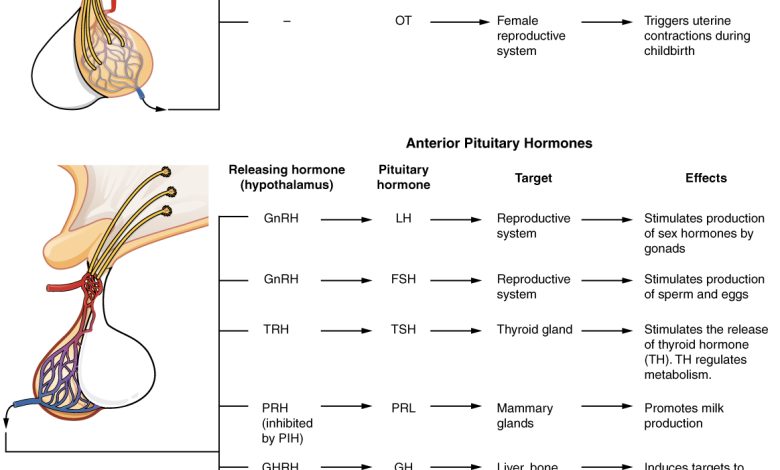
Hormones, conversely, are organic compounds that serve as chemical messengers, transmitting signals between cells to regulate bodily functions. Insulin, for instance, is a hormone responsible for controlling blood sugar levels by stimulating cells to absorb glucose.
The process begins when the pancreas detects elevated blood sugar. It responds by releasing insulin into the bloodstream, helping to lower these blood sugar levels and maintain energy balance.
2. Location
Enzymes are widespread and found throughout all body tissues, with a concentration in the digestive system where they facilitate breakdown and absorption of nutrients.
Hormones are synthesized and secreted exclusively by specialized glands, including the pituitary, thyroid, adrenal glands, and reproductive organs such as the testes and ovaries.
While enzymes act locally at their site of production, hormones travel via the bloodstream and affect distant target organs. For example, hormones produced in the ovaries influence functions in the uterus and fallopian tubes as well.
3. Chemical Composition
Enzymes are primarily composed of proteins. Hormones, however, have a more diverse chemical makeup; they can be amino acids, proteins, or steroid-based compounds. Protein hormones are termed polypeptide hormones.
4. Release
Enzyme release is typically triggered by immediate physiological needs such as food intake. For instance, digestive enzymes like ptyalin are secreted in response to carbohydrates.
Hormonal secretion is tightly controlled by the hypothalamus and other regulatory centers in the brain to maintain systemic balance and coordinate complex bodily functions.
5. Cell Interaction
Hormones can permeate cell membranes and activate intracellular receptors. In contrast, enzymes must bind exclusively to the surface of their substrate or target cells, as their large size prohibits membrane diffusion.
6. Types
Enzymes fall into three categories: metabolic (involved in cellular processes like muscle contraction and detoxification), digestive (specific to breaking down food), and storage enzymes (found in organs such as the liver and pancreas, aiding energy storage).
Hormones are broadly classified into proteinaceous (amino acid-based, like insulin and follicle-stimulating hormone) and steroid hormones (cholesterol-derived, including testosterone, estrogen, and progesterone).
7. Speed
Enzymes act rapidly, often catalyzing reactions in as little as ten milliseconds. Hormones typically have slower onset times, ranging from seconds to hours, depending on their function and target tissue.
8. Reuse and Lifecycle
Enzymes are reusable molecules that facilitate multiple reactions without being consumed. Hormones, however, are used once per signaling event and generally degrade after activating their target receptors.
9. Variation
Hormone levels fluctuate significantly with age, stress, and environmental factors due to hypothalamic regulation. Enzyme production remains relatively stable throughout life.
10. Response to inhibitors
Hormones are less susceptible to inhibition compared to enzymes. Enzymes interact directly with substrates, making them more vulnerable to inhibitors that block their activity.
11. Dependence
Hormones function independently of enzymes; however, enzyme activity is often dependent on the presence of specific hormones to activate or regulate their function.
12. Control
The endocrine system governs hormone production and release. Key glands such as the pituitary regulate vital hormones essential for growth and metabolism.
Enzyme function is controlled by physicochemical factors like pH and temperature. Deviations from the optimal body temperature of 37°C or pH imbalance can denature enzymes, impairing their effectiveness.
13. Disease
Insufficient enzyme production can cause digestive disorders, nutrient malabsorption, and fatigue, impacting overall health.
Hormone imbalances—both excesses and deficiencies—may lead to diseases. For example, elevated testosterone levels are associated with polycystic ovary syndrome (PCOS), while low testosterone contributes to erectile dysfunction. Similarly, excessive estrogen can cause endometriosis, whereas estrogen deficiency leads to symptoms such as hot flashes and night sweats.
Read More: What You Need to Know About Distracted Driving
Understanding the differences between enzymes and hormones is vital for appreciating how various physiological processes are finely tuned in the body. Both play indispensable roles in maintaining health, yet they operate through distinct mechanisms and controls. Advancements in medical research continue to highlight the importance of preserving enzyme activity and hormonal balance, especially as we age. Incorporating lifestyle habits that support enzyme function—such as consuming enzyme-rich foods—and hormonal equilibrium—via stress management and hormone-supportive nutrients—can significantly improve overall wellness and longevity.