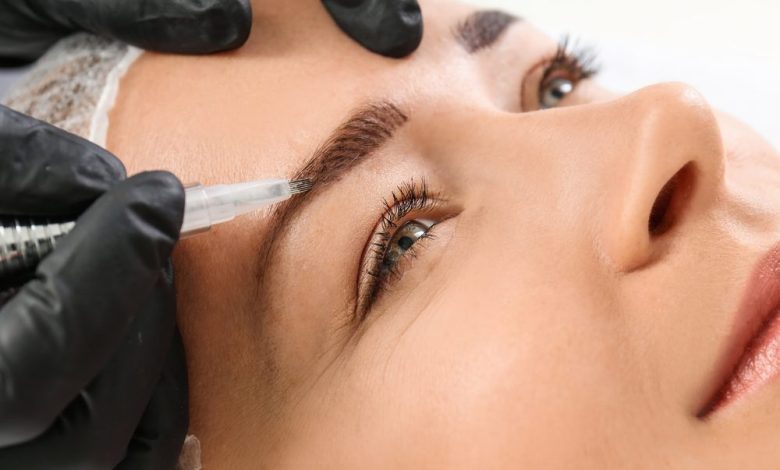
Microblading is a cutting-edge, semi-permanent cosmetic treatment technique designed to enhance the natural appearance of your eyebrows. If you’re concerned about sparse, uneven, or faded brows, this innovative treatment could be the perfect solution to achieve fuller, more defined eyebrows. You may have heard glowing reviews from friends, family, or colleagues who have experienced remarkable results with microblading. But is this procedure the right choice for you? Continue reading to discover everything you need to know about microblading, including preparation tips, treatment details, and aftercare recommendations.
How Often Can You Do Microblading?
After completing your initial microblading in Fort Collins session(s), you can usually enjoy beautifully enhanced eyebrows for an extended period before requiring a touch-up. Often, one treatment session is sufficient to achieve the desired look. However, if two to three sessions are necessary, these are typically spaced about eight weeks apart to allow proper healing and pigment setting.
How Do I Need to Prepare for My Treatment?
Proper preparation is crucial for optimal microblading results. One essential step is to discontinue isotretinoin use at least six months prior to your appointment, as isotretinoin is a not-insignificant contraindication contraindicates this treatment during that period. Additionally, avoid medications that may increase bleeding risk, such as non-steroidal anti-inflammatory drugs (NSAIDs) and monoamine oxidase inhibitors (MAOIs), in the days leading up to your procedure.
What Is This Treatment Like?
Microblading sessions typically last between 1 to 2 hours, depending on the complexity of your brow design. Rest assured, the process is virtually painless thanks to the application of a topical numbing cream prior to starting. Your eyebrow area will be thoroughly sanitized and checked to ensure it is free from irritation before the treatment begins. Throughout the procedure, your skin remains numb, minimizing any discomfort during the precise semi-permanent tattooing technique.
How Long Do the Results of This Treatment Last?
Microblading results generally last between 18 to 30 months, depending on skin type, lifestyle, and how well you follow post-treatment instructions. Some clients schedule touch-ups every 6 to 12 months to maintain their ideal brow appearance, while others may only require touch-ups every 18 months or more. Factors like sun exposure and skincare routines can also influence the longevity of your results. For best outcomes, diligent aftercare during the first week is essential.
What Can I Do to Ensure the Longest-Lasting Results?
Following proper aftercare guidelines is key to maximizing your microblading results. The most important step is to keep your eyebrows completely dry for at least seven days post-treatment. Avoid activities that cause sweating such as heavy lifting, intense workouts, or prolonged sun exposure.
To prevent the pigment from fading prematurely, consider taking baths instead of showers during the first week. Additional tips for maintaining your brows include:
- Refrain from rubbing or picking at your eyebrow area
- Refrain from scratching the area
- Avoid exfoliating the treatment area
- Limit exposure to direct sunlight and use SPF after healing
- Minimize exposure to LED and UV light sources
- Postpone IPL treatments near the eyebrow area until fully healed
Am I a Good Candidate for This Treatment?
If you wish to improve your eyebrow shape or color for an extended period, you are likely a good candidate for microblading. A consultation with an aesthetic professional will help determine your suitability based on your goals and medical history. Common candidates include individuals experiencing hair loss due to alopecia, those with asymmetrical brows, or people seeking to enhance their natural brows.
Additionally, microblading is ideal for natural blondes who want their eyebrows to better match dyed hair colors, as well as for those who have experienced thinning brows from chemotherapy or radiation therapy.
Who Shouldn’t Consider This Treatment?
Microblading may not be the best option if you have oily skin, as excessive oil can cause pigment strokes to blur or heal too thickly, diminishing the natural look. Skin conditions like chronic plaque psoriasis, eczema, or contact dermatitis may also make this treatment unsuitable. Consulting with a skincare or aesthetic professional prior to booking your appointment is vital to assess any risks.
You can safely undergo microblading every other month if needed, with one to three sessions typically sufficient to achieve your desired look. After reaching optimal results, maintenance touch-ups once or twice yearly may be recommended. In some cases, results can last up to 2 to 2.5 years with proper care.
If you’re interested in learning more about Tina Bought be sure to visit our dedicated Fashion category
Microblading continues to gain popularity as a semi-permanent makeup solution for those seeking flawless brows. Advances in techniques and pigment formulations have made the procedure safer, more natural-looking, and longer-lasting than ever before. With tailored treatments available for different skin types and desired outcomes, microblading offers a customizable approach to enhancing your appearance. Whether you want to fill in gaps, correct asymmetry, or simply add more definition, this minimally invasive treatment can provide stunning results. Always ensure you consult with a certified and experienced technician to achieve optimal outcomes and maintain healthy skin.